You know that bone-tired feeling that doesn't get better with sleep — when your mind is racing, your body feels heavy, and even simple tasks require Herculean effort? That's the drain of chronic stress, and it affects far more than your mood. Your energy levels plummet because your body is in a constant state of high alert, burning through nutrients and resources at a rapid pace.
If this sounds familiar, you're not alone. Many people reach for caffeine or sugar during these slumps, but those quick fixes often lead to a crash. So, what do dietitians actually recommend eating when stress has hijacked your energy? The answer isn't a single superfood, but a strategic approach to nourishing your body back to stability.
Why stress drains your fuel tank
When you're under mental pressure, your adrenal glands pump out cortisol and adrenaline. This 'fight or flight' response is designed for short bursts of activity, but when it becomes chronic (thanks to work, relationships, or constant news cycles), it taxes your body. Your blood sugar can become erratic, your digestion slows down, and you deplete key nutrients like magnesium and B vitamins. The result? You feel physically and mentally exhausted, and your immune system takes a hit.
The best energy-boosting eating strategy for stressed people
Dietitians we spoke with emphasize that the goal isn't a single 'magic' food, but a pattern of eating that stabilizes blood sugar and supports the nervous system. Here's what that looks like:
Start your day with protein and healthy fats
A breakfast of sugary cereal or a pastry will send your blood sugar on a rollercoaster ride that ends in a mid-morning crash. Instead, aim for a balanced meal with protein, fat, and fiber. Think eggs with avocado and a handful of spinach, or Greek yogurt with nuts and berries. This provides a steady release of energy that can help your body handle stress more effectively.
Reach for complex carbohydrates and protein at lunch
Comfort carbs aren't the enemy, but simple ones (white bread, pasta) can spike your blood sugar. Instead, choose complex carbohydrates like quinoa, brown rice, or sweet potatoes. Pair them with a lean protein source (chicken, fish, lentils) and plenty of vegetables. This combination keeps your energy levels steady and provides the amino acids your brain needs to produce neurotransmitters that regulate mood, like serotonin.
Dietitian's tip: Include magnesium-rich foods like leafy greens, nuts, seeds, and dark chocolate. Magnesium helps regulate cortisol and can improve sleep quality.
Smart snacks for the 3 PM slump
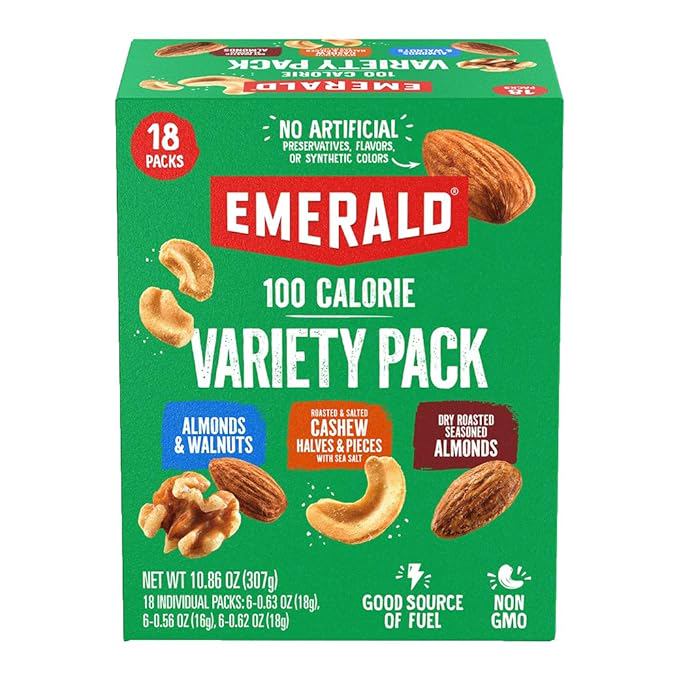
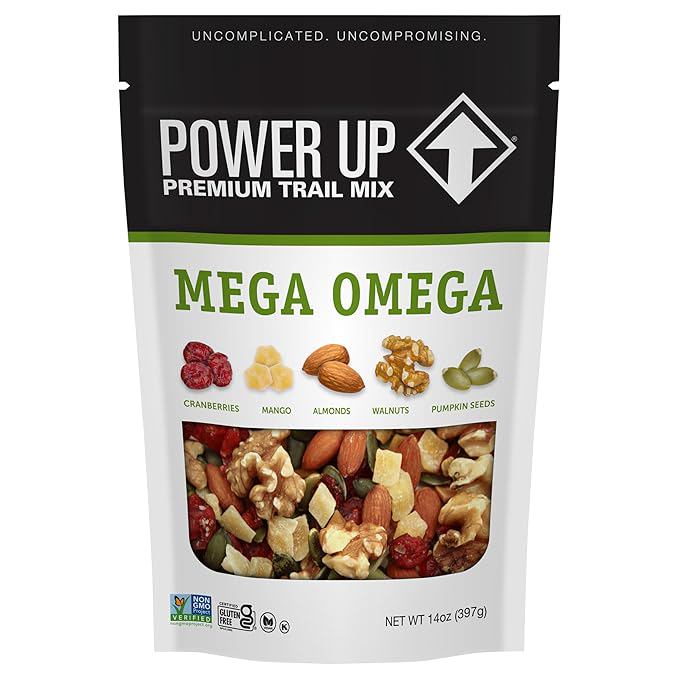
Instead of grabbing a coffee and a cookie, try a snack that combines protein and complex carbs. An apple with almond butter, a small handful of trail mix, or some hummus with carrot sticks can provide sustained energy without the crash. This helps keep your blood sugar—and your mood—stable throughout the afternoon.
Don't forget omega-3s and B vitamins
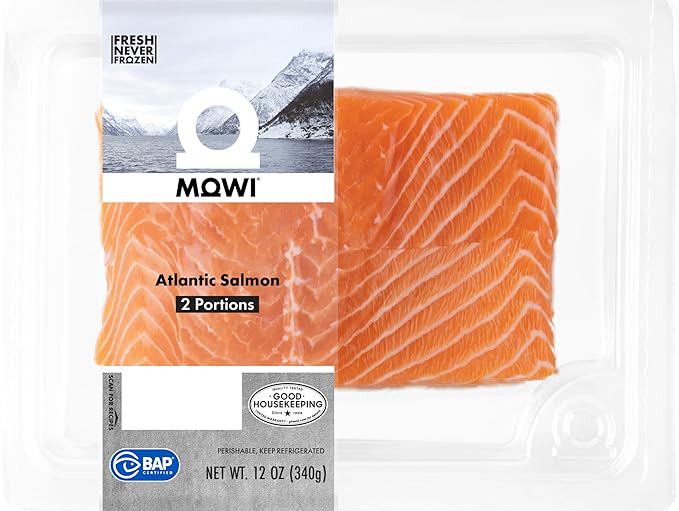
Fatty fish like salmon, along with flaxseeds and walnuts, are packed with omega-3 fatty acids, which have been shown to help reduce the physical impact of stress. B vitamins (found in whole grains, meat, eggs, and dark leafy greens) are critical for converting food into usable energy. A diet rich in these nutrients supports your brain and nervous system under pressure.
Staying hydrated is another non-negotiable. Even mild dehydration can trigger cortisol release and make you feel more tired. Water, herbal tea, and eating water-rich foods (cucumbers, oranges) all count.
Ultimately, when stress drains your energy, the best medicine is a consistent, nutrient-dense diet that keeps your blood sugar stable and your body fueled. Skip the rigid detoxes and extreme diets. Focus on three balanced meals a day with smart snacks, and your energy — and your ability to cope — will improve.