When hair begins to thin, it’s natural to look for solutions. While topical treatments and specialized shampoos have their place, the foundation of healthy hair growth is built from within. What you eat directly fuels the complex biological process that creates each strand. Dietitians emphasize that a consistent, nutrient-rich diet is one of the most powerful, yet often overlooked, strategies for supporting hair density and preventing thinning.
Hair follicles are among the most metabolically active structures in your body. They require a steady supply of specific vitamins, minerals, and proteins to progress through their growth cycle. A prolonged shortage of these key nutrients can shift more follicles into a resting phase, leading to increased shedding and thinner-looking hair over time. The good news is that by focusing on a few critical dietary pillars, you can create an internal environment that supports robust, resilient hair.
The Core Nutrients Your Hair Craves
Think of your diet as the raw material for hair construction. Certain nutrients act as the essential building blocks and catalysts for this process. A deficiency in any one can become a limiting factor for hair health.
Protein is the most fundamental component. Hair is primarily made of a protein called keratin. Without adequate protein intake, your body simply cannot produce strong, new hair strands. It will prioritize vital functions over hair growth, potentially leading to weak, brittle hair or increased shedding. Aim for a source of high-quality protein at each meal.
Iron, particularly heme iron found in animal products, is crucial for carrying oxygen to hair follicles. Low iron stores (even without full-blown anemia) are a common, reversible cause of hair thinning, especially in women. Pairing plant-based iron sources with vitamin C can enhance their absorption.
Zinc plays a key role in hair tissue growth and repair. It also helps keep the oil glands around follicles functioning properly. Both deficiency and excess can contribute to hair loss, making food sources the ideal way to maintain balance.
B Vitamins, especially Biotin (B7) and the B-complex vitamins involved in red blood cell formation (like B12 and folate), support keratin production and cellular metabolism in the follicle. While biotin deficiency is rare, ensuring adequate intake from food supports the overall process.
Vitamin D receptors are present in hair follicles, and research suggests this vitamin helps create new follicles. Many people have suboptimal levels, making it a nutrient worth paying attention to for overall health and hair support.
Your hair is a lagging indicator of your nutritional status. What you eat today supports the hair that will emerge months from now.
What to Put on Your Plate
Translating these nutrients into daily meals is simpler than it might seem. It’s about a pattern of eating, not perfection. Here’s how to build a hair-supportive diet.
Prioritize Protein Variety
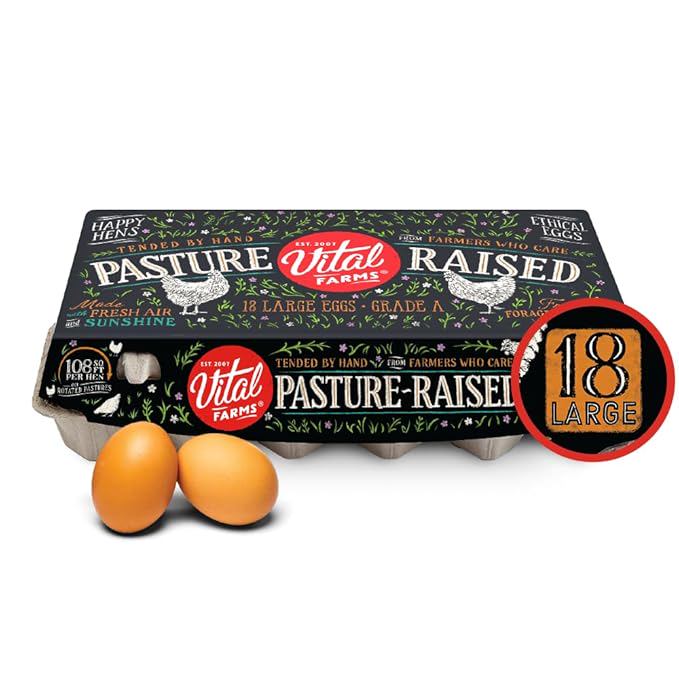
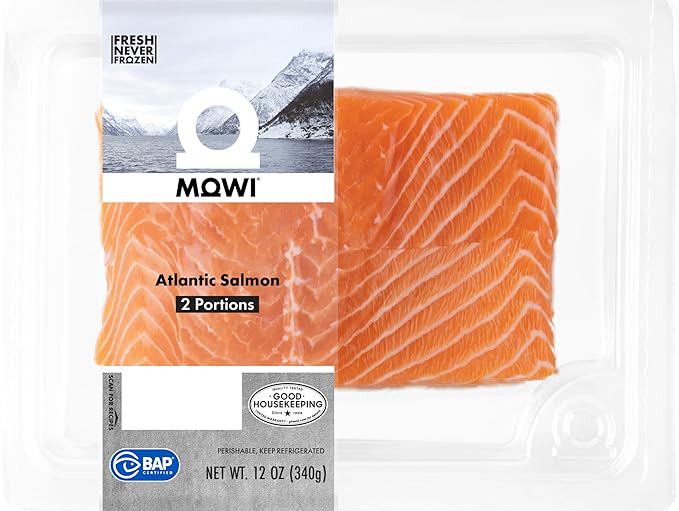
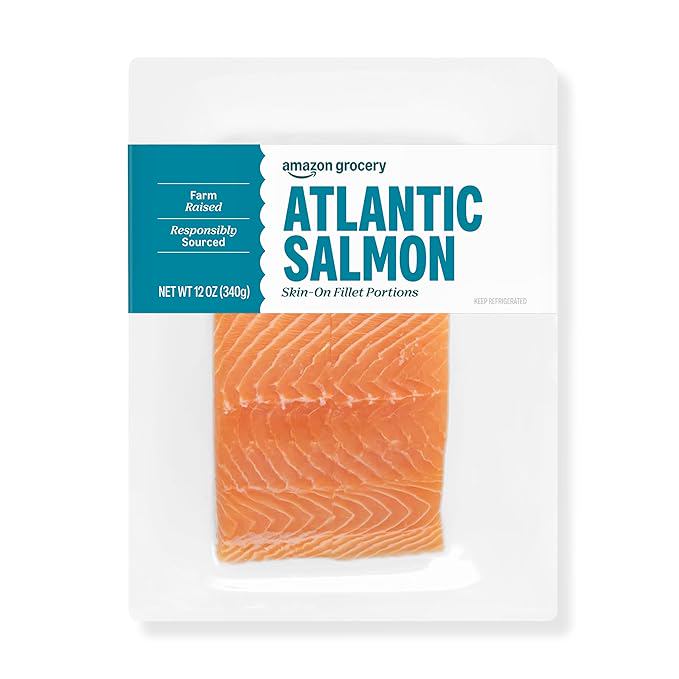
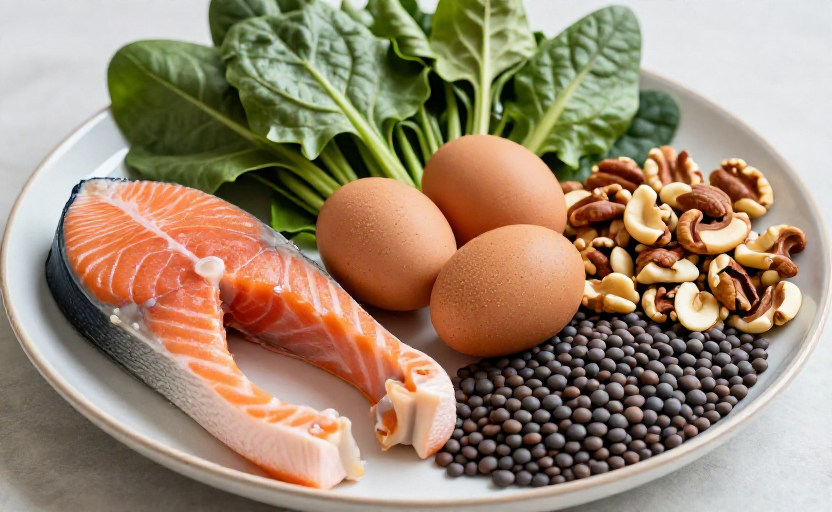
Incorporate a mix of lean animal and plant proteins. Eggs are a standout, offering not only complete protein but also biotin and other B vitamins. Fatty fish like salmon and mackerel deliver protein along with anti-inflammatory omega-3s. For plant-based options, lentils, chickpeas, tofu, and quinoa are excellent choices that also provide iron and zinc.
Embrace Iron-Rich Foods
For omnivores, lean red meat, poultry, and shellfish (like oysters, which are also packed with zinc) are potent sources of easily absorbed heme iron. If you follow a plant-based diet, focus on lentils, spinach, pumpkin seeds, and fortified cereals. Enjoying a bell pepper, citrus fruit, or strawberries with these meals boosts iron absorption.
Incorporate Healthy Fats and Color
Healthy fats from avocados, nuts, seeds, and olive oil support scalp health and vitamin absorption. The vibrant colors in berries, sweet potatoes, and leafy greens signal a wealth of antioxidants, which help protect follicles from environmental damage.
A day of eating for hair health might look like scrambled eggs with spinach for breakfast, a lentil and quinoa salad with bell peppers for lunch, a handful of walnuts as a snack, and grilled salmon with roasted sweet potatoes for dinner.
Foods and Habits to Be Mindful Of
Just as some foods support hair, others can subtly undermine it when consumed in excess. Highly processed foods, those rich in added sugars, and excessive alcohol can promote inflammation and offer little nutritional value, displacing more nutrient-dense options. Very restrictive diets or rapid weight loss can also shock the system and trigger temporary hair shedding, as the body conserves resources.
It’s also wise to view supplements with caution. While they can help correct a diagnosed deficiency, megadoses of certain nutrients (like selenium or vitamin A) can actually contribute to hair loss. It’s always best to seek nutrients from food first and consult with a healthcare provider before starting any new supplement regimen for hair thinning.
A Sustainable Approach to Hair Health
The goal isn’t to eat a single "superfood" for a week, but to cultivate eating habits that consistently deliver a broad spectrum of nutrients. Patience is essential. Because of the long hair growth cycle, it can take three to six months of sustained nutritional support to see a noticeable change in hair thickness and shedding.
If you are experiencing significant or sudden hair thinning, it’s important to consult a doctor or dermatologist. They can help rule out underlying medical conditions, hormonal imbalances, or genetic factors that diet alone cannot address. For many, however, aligning your plate with your hair goals is a powerful, foundational step toward maintaining a healthy, full head of hair for the long term.