When your scalp feels tight and your hair crackles with static, your first instinct might be to reach for a new shampoo or a deep-conditioning mask. While topical treatments have their place, the foundation for truly hydrated, resilient hair is often built from within. What you eat directly influences the health of your scalp and the strength of each strand, making your diet a powerful tool against dryness and frizz.
Think of your hair as a reflection of your internal landscape. A dry, flaky scalp can signal a need for more essential fatty acids or certain vitamins, while brittle, frizzy hair often points to a lack of moisture or protein. By focusing on specific, nutrient-dense foods, you can support your body’s natural ability to produce healthy oils and maintain strong, smooth hair from the root up.
How does diet affect scalp and hair health?
Your hair follicles are among the most metabolically active structures in your body, and they rely on a steady stream of nutrients to function optimally. The scalp’s sebaceous glands produce sebum, a natural oil that moisturizes both the scalp and the hair shaft. When your diet lacks the building blocks for healthy cell membranes and sebum production, these glands can’t do their job effectively, leading to dryness.
Similarly, each hair strand is primarily made of a protein called keratin. Without adequate protein and the co-factors needed for its synthesis, hair can become weak, porous, and prone to frizz as it loses its smooth, protective outer layer. Hydration is also key; water is fundamental for transporting these nutrients and maintaining cellular health throughout your body, including your scalp.
Key nutrients to focus on
Combating dryness and frizz isn’t about one miracle food. It’s about consistently providing your body with a symphony of nutrients that work together.
Omega-3 Fatty Acids
These are the superstars of hydration. Omega-3s are incorporated into cell membranes, helping them stay flexible and retain moisture. They also have anti-inflammatory properties that can soothe an irritated scalp. A diet rich in omega-3s supports the skin’s lipid barrier, which helps lock moisture into the scalp.
Your body can’t produce omega-3s on its own, so you must get them from food.
Excellent sources include:
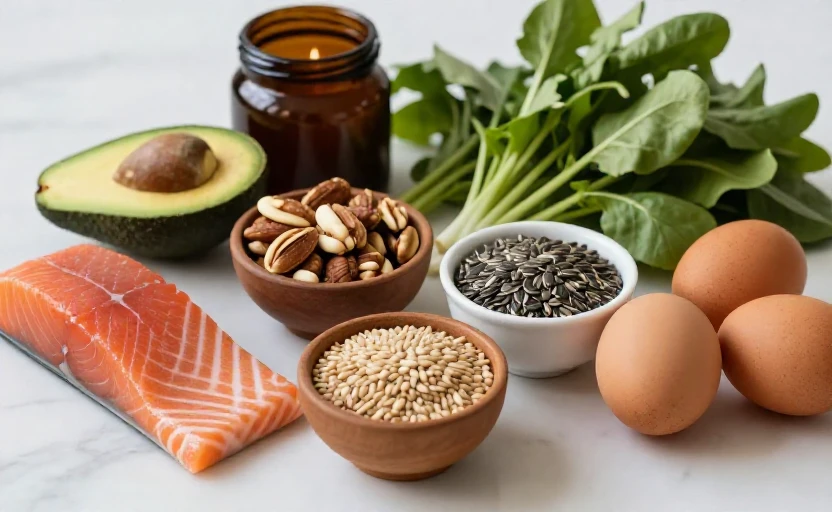
- Fatty fish: Salmon, mackerel, sardines, and herring.
- Plant-based oils: Flaxseed oil, chia seeds, walnuts, and hemp seeds.
Biotin and B-Vitamins
Biotin, a B-vitamin, is famously linked to hair health because it plays a crucial role in keratin production. Other B-vitamins, like B12 and folate, are essential for creating red blood cells that carry oxygen and nutrients to the scalp and hair follicles.
You can find this family of nutrients in:
- Eggs (especially the yolks)
- Legumes like lentils and chickpeas
- Sunflower seeds and almonds
- Leafy greens such as spinach and Swiss chard
- Organ meats (in small amounts)
Antioxidants: Vitamins A, C, and E
These vitamins protect your hair follicles and scalp from damage caused by free radicals—unstable molecules that can come from sun exposure, pollution, and even stress. Vitamin C is particularly important as it aids in collagen production, a protein that strengthens the capillaries that supply the hair shafts.
Colorful produce is your best bet:
- Vitamin A & C: Sweet potatoes, carrots, bell peppers, citrus fruits, and berries.
- Vitamin E: Avocados, almonds, sunflower seeds, and spinach.
Zinc and Iron
Zinc helps with tissue growth and repair, including the repair of hair and scalp tissue. It also helps regulate the oil glands. Iron is vital for carrying oxygen in the blood to your hair follicles; a deficiency is a common cause of hair thinning and dryness.
Good dietary sources include:
- Zinc: Pumpkin seeds, chickpeas, lentils, and cashews.
- Iron: Lentils, spinach, tofu, and, if you eat meat, lean red meat in moderation.
Foods to include in your routine
Building meals around these nutrients doesn’t require a complex diet. It’s about simple, intentional choices. Start your day with a smoothie made with spinach, flaxseed, and berries. For lunch, a large salad topped with salmon or chickpeas, avocado, and sunflower seeds. Snack on a handful of walnuts or an orange. Dinner could be a lentil soup or a stir-fry with tofu and plenty of colorful vegetables.
The goal is consistency. Just as you wouldn’t expect one glass of water to hydrate you for a week, the benefits for your hair come from making these foods a regular part of your eating pattern.
What about hydration?
No discussion of dryness is complete without mentioning water. Dehydration shows up quickly in your skin and scalp. While the exact amount varies per person, aiming for adequate fluid intake throughout the day—primarily from water and herbal teas—is non-negotiable for maintaining scalp hydration and supporting the transport of all those wonderful nutrients to where they’re needed most.
A holistic view
Nutrition is a cornerstone, but it works best alongside other healthy habits. Gentle hair care, managing stress, and protecting your hair from excessive heat and sun are all part of the picture. If you experience persistent, severe scalp dryness or sudden hair changes, it’s wise to consult a healthcare provider or a registered dietitian to rule out underlying conditions.
Nourishing your hair from the inside out is a gradual, sustainable approach. By filling your plate with foods rich in omega-3s, vitamins, and minerals, you’re giving your body the raw materials it needs to cultivate a healthier scalp and smoother, more resilient hair.