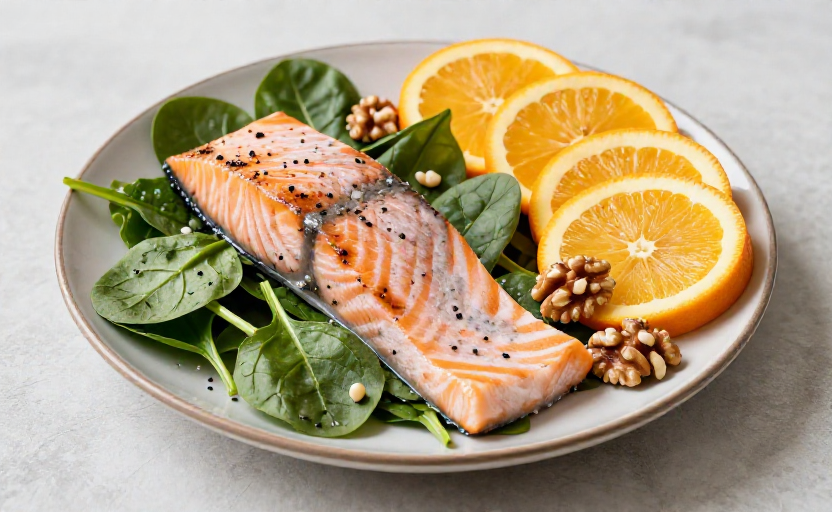
Color-treated hair requires more than just gentle shampoos and cool rinses. What you put on your plate matters just as much as what you put on your scalp. Dietitians emphasize that internal nutrition can help preserve vibrancy, reduce breakage, and support overall hair health for anyone who dyes their hair regularly.
While topical treatments like yogurt masks have been used for centuries—especially in Indian hair care traditions—the real foundation for resilient, shiny color-treated hair starts with a nutrient-rich diet. Here’s what experts recommend focusing on.
Why diet matters for color-treated hair
Hair is made of a protein called keratin. When you color your hair, the chemical process lifts the cuticle to deposit pigment, which can leave strands more porous and fragile. Nutrients like protein, omega-3 fatty acids, and key antioxidants help strengthen the hair shaft and protect the scalp. Dietitians note that a deficiency in certain vitamins can accelerate fading and make hair feel brittle.
Rather than relying solely on conditioners or leave-in treatments, think of food as the first line of defense for maintaining your color and texture.
Essential nutrients for vibrant, strong color-treated hair
Below are the nutrients dietitians highlight most often for protecting color-treated hair, along with food sources that make them easy to include in your routine.
Protein for rebuilding strength
Since hair is mostly protein, getting enough in your diet supports the hair shaft’s integrity. Color treatments can weaken the protein bonds. Good sources include eggs, lean poultry, fish, Greek yogurt, lentils, and tofu. Including a serving of protein at each meal helps provide the building blocks your hair needs.
Omega-3 fatty acids for scalp health and shine
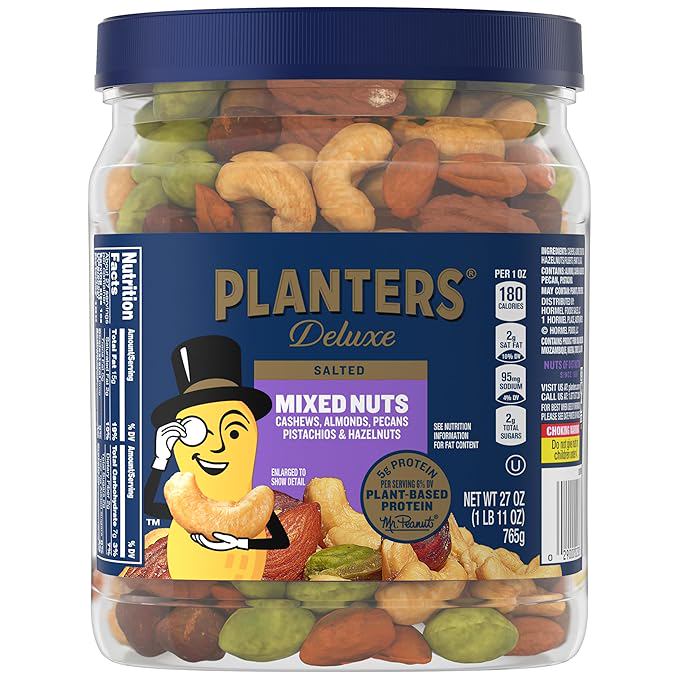
Omega-3s help keep the scalp hydrated and support the production of natural oils that protect colored strands. Fatty fish like salmon, mackerel, and sardines are excellent choices. For plant-based options, try walnuts, chia seeds, and flaxseeds.
Vitamin C for collagen and color preservation
Vitamin C is essential for collagen production, which helps keep hair strong and less prone to breakage. It also has antioxidant properties that may protect hair from environmental damage that can dull color. Eat citrus fruits, bell peppers, strawberries, kiwi, and broccoli.
Biotin and B vitamins for growth and strength
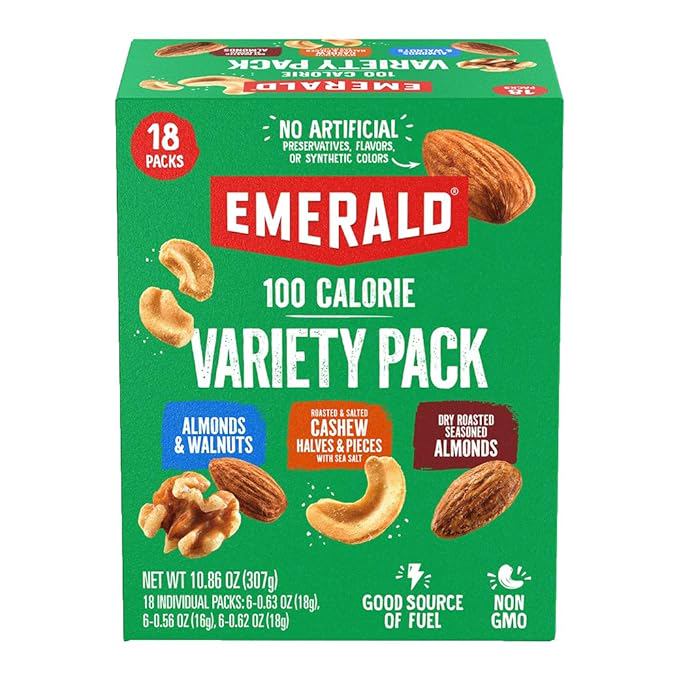
B vitamins, especially biotin, support keratin production and can help reduce hair thinning. Color-treated hair often benefits from extra B-vitamin support. Sources include eggs, nuts, seeds, avocados, and whole grains.
Iron for oxygen delivery to hair follicles
Iron helps red blood cells carry oxygen to hair follicles, which supports healthy growth cycles. Low iron levels have been linked to hair thinning. Spinach, lentils, red meat, and fortified cereals are reliable sources.
Zinc for repair and oil balance
Zinc plays a role in tissue repair and helps maintain the oil glands around hair follicles. This can prevent dryness that makes color-treated hair look dull. Pumpkin seeds, chickpeas, cashews, and oysters are top sources.
Tip: Pair iron-rich foods with a source of vitamin C (like lemon juice or bell peppers) to improve absorption without adding extra supplements to your day.
Sample eating pattern for hair health
You don’t need a rigid meal plan. Dietitians suggest building meals around whole foods that naturally contain these nutrients. A sample day might include:
- Breakfast: Greek yogurt with strawberries and a sprinkle of flaxseeds
- Lunch: Spinach salad with grilled chicken, orange slices, and pumpkin seeds
- Snack: A handful of walnuts and a hard-boiled egg
- Dinner: Baked salmon with lentils and steamed broccoli
This pattern provides protein, omega-3s, iron, zinc, B vitamins, and vitamin C in a single day—all without special products or expensive supplements.
What about topical yogurt treatments?
While people have used yogurt and buttermilk as hair cleansers for generations—particularly in parts of India—modern dietitians point out that yogurt’s benefits for hair are more reliable when eaten than applied topically. Eating plain yogurt provides protein, calcium, and probiotics that support gut health, which in turn may reduce inflammation that affects the scalp. The lactic acid in yogurt can act as a gentle cleanser on the scalp when used externally, but for deep nourishment of color-treated strands, internal nutrition remains the priority.
Simple takeaway: Save yogurt for your breakfast bowl and let your diet do the heavy lifting for your hair color and texture.
Foods to limit for better hair health
Just as some foods help, others can interfere. Dietitians recommend limiting foods and drinks that may accelerate color fading or increase hair brittleness:
- High-sugar snacks and beverages (they can contribute to inflammation)
- Excessive alcohol (can dehydrate hair and scalp)
- Heavily processed foods (often low in hair-supporting nutrients)
Staying well-hydrated with water also supports moisture balance in both the scalp and hair shaft.
Ultimately, the best approach to healthy, color-treated hair is a balanced diet that includes a variety of nutrient-dense foods. Consistent intake of protein, healthy fats, vitamins, and minerals will give your hair the foundation it needs to hold color longer and feel stronger. For personalized advice—especially if you suspect a nutrient deficiency—consult a registered dietitian or your healthcare provider.