We all have those days when patience runs thin and every small annoyance feels like a major trigger. While life's pressures certainly play a role, what you put on your plate can also have a real impact on your mood. Dietitians are increasingly looking at the connection between nutrition and emotional regulation, and the evidence points to some straightforward dietary shifts that may help you feel steadier, calmer, and less irritable.
It's not about a single superfood or a restrictive diet. Instead, it's about supporting your brain's biochemistry with consistent, balanced nutrition. Here is what registered dietitians suggest focusing on for better emotional control.
Stabilize Your Blood Sugar Throughout the Day
One of the quickest ways to trigger mood swings and irritability is to let your blood sugar crash. When glucose levels drop, the body releases stress hormones like adrenaline and cortisol, which can leave you feeling shaky, anxious, or snappy. Dietitians recommend pairing carbohydrates with protein, fiber, or healthy fat at every meal and snack to slow down digestion and keep blood sugar steady.
Think about upgrading your morning toast: instead of plain jam on white bread, try whole-grain toast with almond butter and a handful of berries. For lunch, swap a simple pasta dish for a quinoa bowl with chickpeas, roasted vegetables, and a drizzle of olive oil. These combinations prevent those mid-afternoon energy dips that often come with a side of irritability.
Prioritize Foods Rich in Magnesium
Magnesium is often called the calming mineral for good reason. It plays a key role in regulating the nervous system and helping the body manage stress. Low levels of magnesium have been linked to increased anxiety and irritability. Dietitians suggest incorporating more magnesium-rich foods naturally, rather than jumping straight to supplements (which should only be taken under professional guidance).
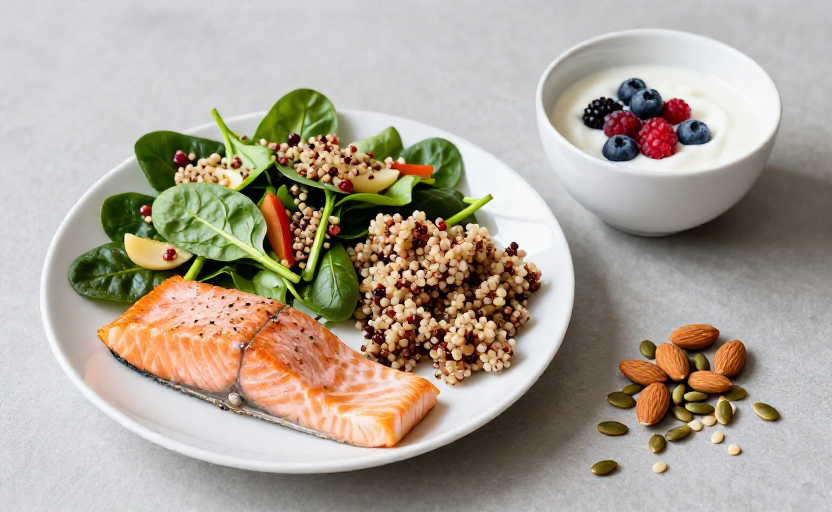
Excellent sources include leafy greens like spinach and Swiss chard, pumpkin seeds, almonds, black beans, and avocados. A simple way to boost your intake is to add a handful of spinach to your smoothie or omelet, or snack on a small handful of pumpkin seeds and almonds in the afternoon instead of reaching for a sugary treat.
Include Omega-3 Fatty Acids for Brain Health
Omega-3s, particularly EPA and DHA, are essential for brain function and have been shown to support mood stability. These healthy fats are structural components of brain cell membranes and help regulate neurotransmitter pathways involved in mood. While more research is always ongoing, dietitians note that people who eat a diet rich in omega-3s often report feeling more balanced emotionally.
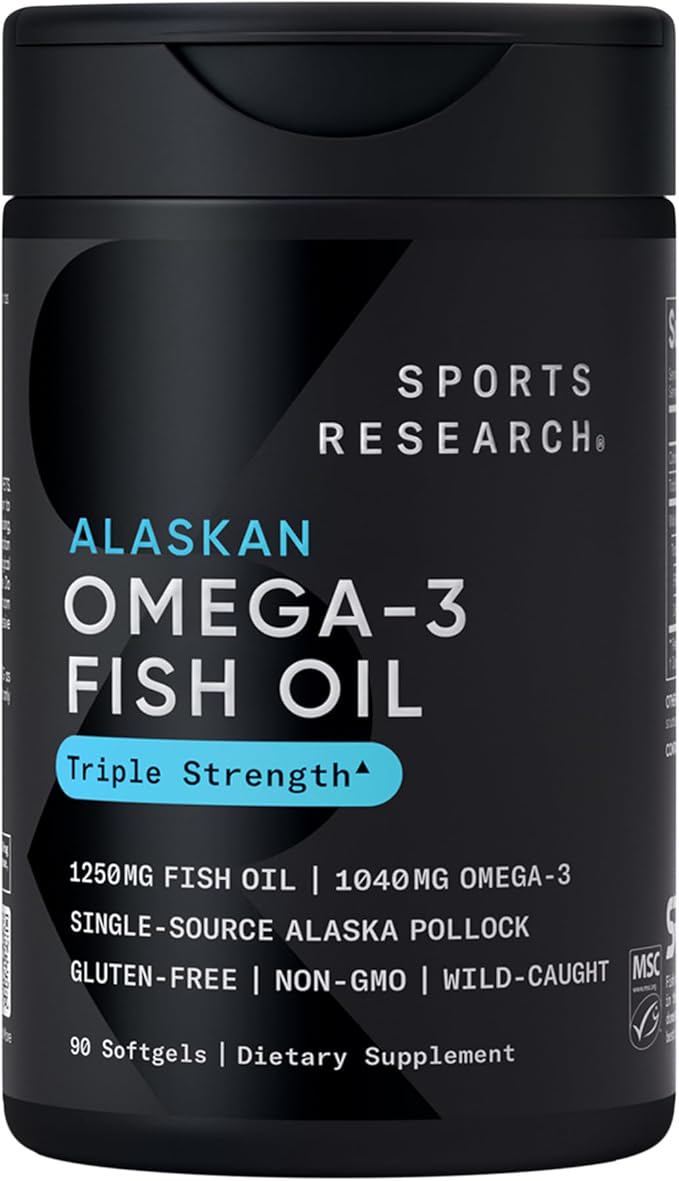
Fatty fish like salmon, mackerel, sardines, and trout are the most direct sources of EPA and DHA. For those who don't eat fish, plant-based sources like flaxseeds, chia seeds, and walnuts provide ALA, a precursor that the body converts—though less efficiently—to the active forms. A dietitian might suggest a fish oil supplement if dietary intake is consistently low, but focus first on getting these foods onto your plate a few times per week.
Nourish Your Gut with Probiotics and Prebiotics
The gut-brain axis is a hot topic in nutritional science, and for good reason. A healthy gut microbiome influences the production of mood-regulating neurotransmitters like serotonin, a large portion of which is actually produced in the gut. Dietitians recommend supporting your gut bacteria through both probiotics (live beneficial bacteria) and prebiotics (fiber that feeds those bacteria).
Fermented foods such as yogurt, kefir, sauerkraut, kimchi, and kombucha are great sources of probiotics. For prebiotics, think of foods like garlic, onions, leeks, asparagus, bananas, and oats. A breakfast of plain Greek yogurt with a sliced banana and a sprinkle of oats is a double win for gut health and potentially a more stable mood throughout the day.
Don't Forget B Vitamins and Vitamin D
The B vitamin family—especially B6, B12, and folate—is crucial for producing brain chemicals like serotonin and dopamine. Low levels of these vitamins have been linked to low mood and irritability. Rich sources include lean meats, poultry, eggs, legumes, leafy greens, and fortified grains. Vegetarians and vegans should pay special attention to B12, which is primarily found in animal products; a dietitian can help assess whether a supplement is needed.
Vitamin D is also important. Many people are deficient, particularly during winter months or if they have limited sun exposure. Low vitamin D has been associated with mood disturbances. While food sources are limited (fatty fish, egg yolks, fortified milk), dietitians often recommend checking blood levels and discussing supplementation with a doctor if needed.
A dietitian's tip: Consistency matters more than perfection. Eating a balanced diet most of the time is far more effective for mood stability than occasional strict dietary resets.
Ultimately, food isn't a replacement for professional mental health support, but it is a powerful tool in your wellness toolkit. By focusing on these foundational nutritional strategies, you can create a biological environment that supports emotional control and reduces the frequency of that short-tempered feeling. Small, consistent changes in what you eat can make a noticeable difference in how you feel each day.