
Burnout from work-life imbalance doesn't just affect your mood—it can drain your body of essential nutrients, disrupt sleep, and leave you feeling foggy. While rest and boundary-setting are crucial, what you drink can also play a supporting role in helping your system reset. We asked registered dietitians which beverages they recommend for gently nudging your body back toward balance.
Why what you drink matters when you're stretched thin
Chronic stress and long hours trigger a cascade of hormonal shifts. Cortisol levels stay elevated, digestion can become sluggish, and hydration often takes a backseat. “When people are overwhelmed, they tend to reach for caffeine or sugary energy drinks just to get through the day,” notes a registered dietitian based in New York. “But those choices can backfire, making it harder to sleep at night and harder to regulate stress the next day.”
The goal isn't a single miracle drink—it's a pattern of beverages that support hydration, provide steady energy, and help the nervous system shift from fight-or-flight toward rest-and-digest.
Water with a pinch of sea salt (yes, really)
Plain water is always a good start, but when you're running on empty, your electrolyte balance can be off. Magnesium and potassium—two minerals critical for calming the nervous system and promoting sleep—are often the first to dip during periods of high stress. A pinch of high-quality sea salt or a small splash of electrolyte drops (without added sugar) can help your body absorb water more effectively and may ease muscle tension and headaches.
Tip: If you feel jittery or headachy in the late afternoon, try a glass of water with a pinch of salt and a squeeze of lemon instead of reaching for another coffee.
Herbal teas that target stress and sleep
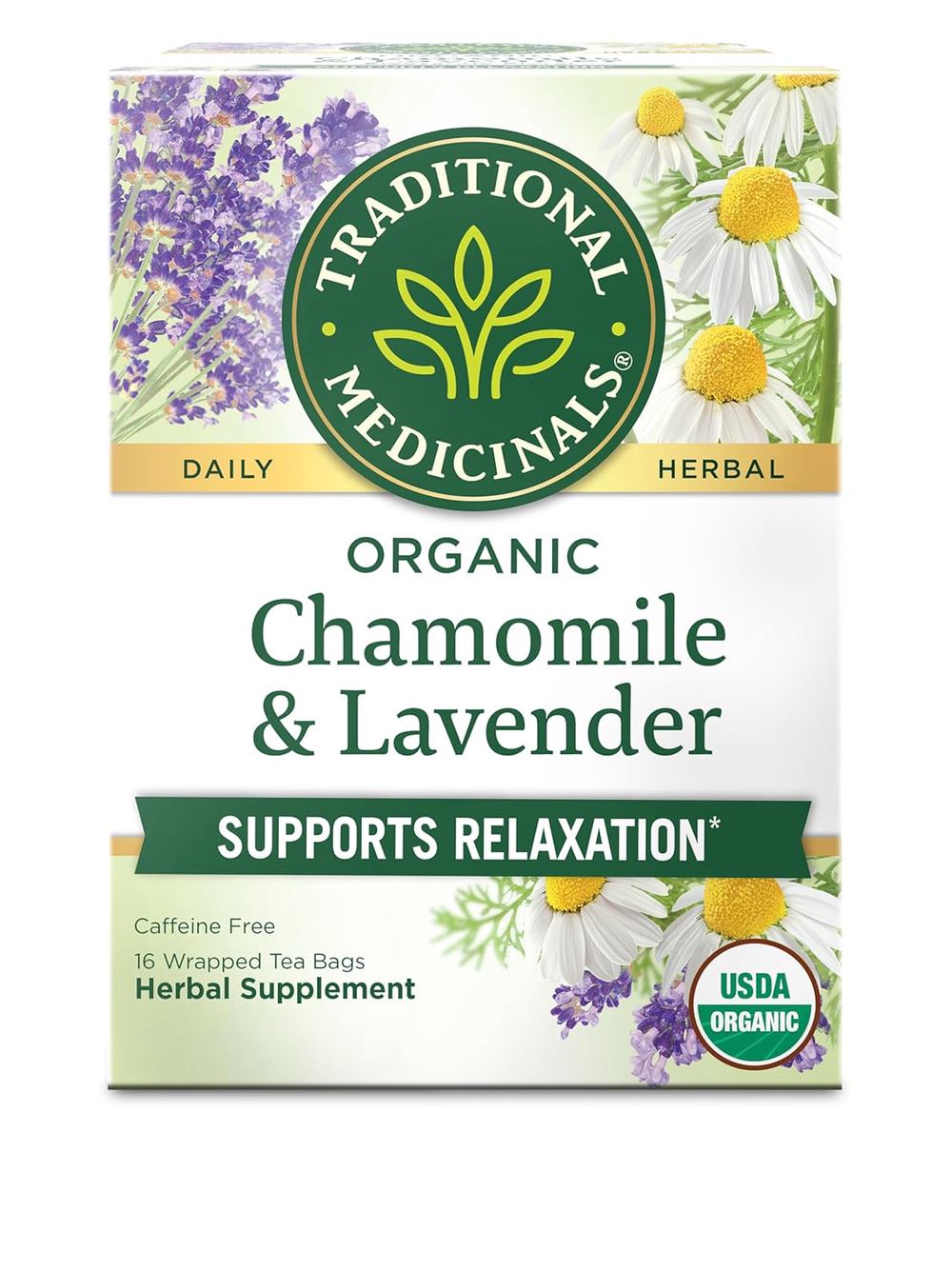
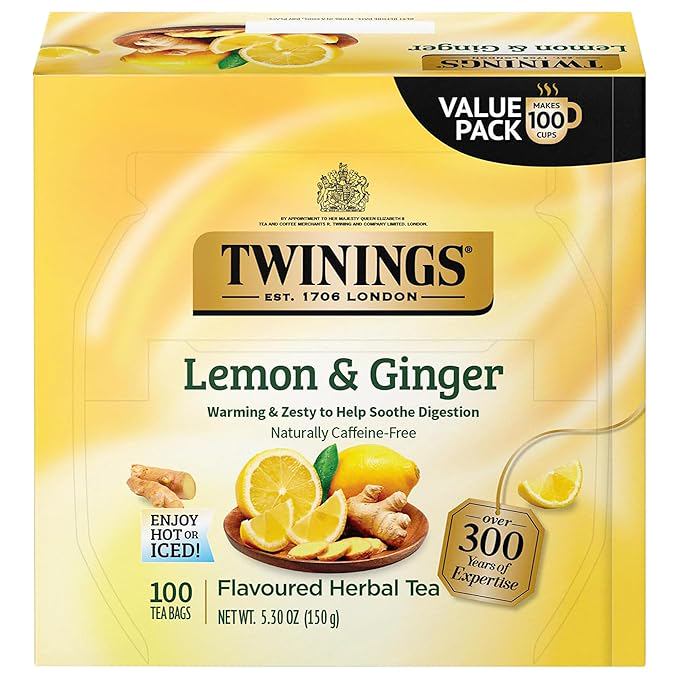
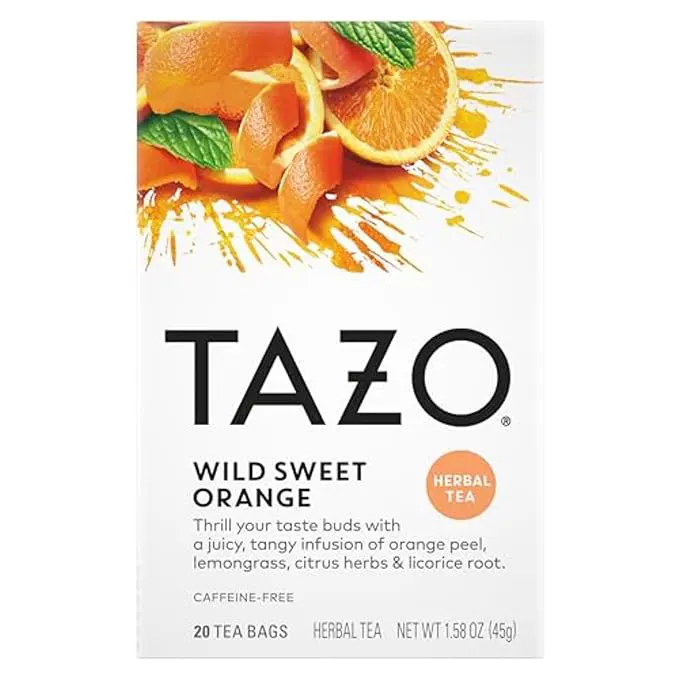
Caffeine-free herbal teas are a go-to recommendation for dietitians working with clients experiencing work-life imbalance. Two standouts get mentioned most often:
- Chamomile: Long studied for mild anxiety and sleep support, chamomile contains apigenin, an antioxidant that binds to certain brain receptors and can promote drowsiness. Drinking a cup about 45 minutes before bed may help you fall asleep faster.
- Lemon balm: A member of the mint family, lemon balm has been shown in small studies to reduce stress and improve mood. It's gentle enough to drink during the day but works well as part of an evening wind-down routine.
Dietitians advise avoiding any herbal “stress” blends that list caffeine as an ingredient. Check labels carefully.
Tart cherry juice for better sleep recovery
If you're struggling with the quality of your sleep (waking up often, not feeling rested), tart cherry juice is worth considering. It's one of the few natural food sources of melatonin, the hormone that helps regulate the sleep-wake cycle. Several small clinical trials suggest that tart cherry juice can increase sleep time and sleep efficiency in adults with insomnia. A quarter-cup of unsweetened tart cherry juice about 30 minutes before bed is a common recommendation.
Caveat: check the sugar content. Many commercial cherry juice blends add extra sweeteners. Look for “unsweetened 100% tart cherry juice” and stick to a small serving.
Golden milk (turmeric latte) for a soothing afternoon reset
Golden milk—a warm beverage made with turmeric, black pepper, and a milk of your choice—has become a dietitian favorite not just for its anti-inflammatory properties but for its role in signaling the brain to slow down. “The ritual matters,” explains one dietitian who works with corporate clients. “Taking ten minutes to heat up milk, stir in spices, and sit down with a warm mug helps you consciously break the cycle of multitasking.” Turmeric's active compound, curcumin, can help dampen systemic inflammation that often accompanies chronic stress. A pinch of black pepper boosts curcumin absorption, and the warmth can be calming on its own.
What about green tea?
Green tea does contain caffeine, but it also supplies L-theanine, an amino acid linked to a state of “calm alertness.” Some dietitians recommend one cup of green tea in the morning or early afternoon for people who want a gentle energy lift without the jitters of coffee. The key is timing: drinking it after 2 p.m. could interfere with sleep for sensitive individuals.
Beverages to limit or skip
Dietitians agree that certain drinks can worsen work-life imbalance symptoms. Energy drinks and high-sugar coffee beverages can spike blood sugar and then crash it, leaving you more irritable and tired. Alcohol, while commonly used as a stress reliever, actually disrupts REM sleep and can increase nighttime awakenings. “One drink might help you fall asleep faster,” says a dietitian at a wellness clinic, “but it often leads to waking up in the middle of the night and feeling more exhausted the next day.”
Ultimately, no beverage can replace the need for adequate rest, boundaries, and support. But choosing drinks that hydrate, calm the nervous system, and stabilize energy can help your body recover more efficiently. Small shifts—replacing one afternoon soda with an herbal tea, or starting your morning with a glass of water instead of coffee—can add up over time.