
We often think of sun protection as a summer beach-day ritual, but the truth is more subtle and constant. The sun’s rays are a primary driver of visible skin aging, contributing to the fine lines, deeper wrinkles, and uneven pigmentation we call sun spots. While genetics play a role, a significant portion of what we perceive as aging is actually cumulative sun damage. The good news? This means prevention is powerfully effective. By understanding how the sun affects skin and adopting a few consistent habits, you can maintain a healthier, more resilient complexion for years to come.
Dermatologists emphasize that protecting your skin isn't about avoiding the sun entirely, but about building intelligent, daily habits that shield it from harm. It's a long-term investment with immediate benefits, from preventing new damage to allowing your skin to repair itself. Let's explore the foundational knowledge and practical steps that form the cornerstone of dermatological advice for keeping skin smooth and even-toned.
How Sun Exposure Leads to Spots and Wrinkles
Sunlight delivers two main types of ultraviolet (UV) radiation that reach our skin: UVA and UVB. They work in different, yet equally damaging, ways. UVB rays are the primary cause of sunburn, directly damaging the DNA in your skin's outer layers. UVA rays penetrate more deeply, reaching the dermis where collagen and elastin fibers live. These fibers are your skin's support structure, giving it firmness and elasticity.
Think of UVA rays as silent saboteurs. They generate free radicals—unstable molecules that break down collagen and elastin through a process called photoaging. This degradation leads to a loss of skin plumpness, resulting in fine lines, sagging, and wrinkles. Simultaneously, UV exposure triggers your melanocytes (pigment-producing cells) to go into overdrive. This can cause melanin to be produced unevenly, clumping together to form dark patches known as solar lentigines, or sun spots. This process isn't instantaneous; it's the result of repeated, often unnoticed, exposure over years.
The sun's impact is cumulative. Every drive in the car, every walk to the mailbox, and every lunch outside adds up over a lifetime.
The Daily Non-Negotiable: Broad-Spectrum Sunscreen
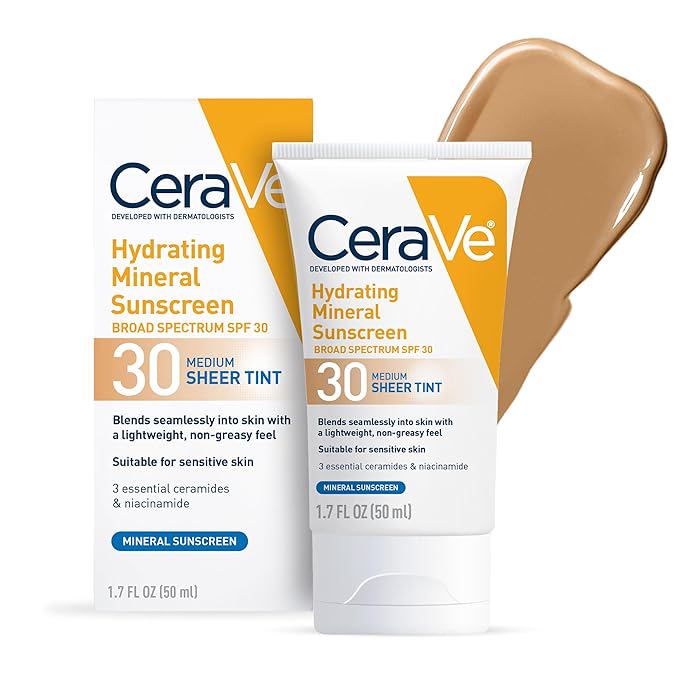
If there is one piece of advice every dermatologist agrees on, it's the daily use of a broad-spectrum sunscreen. "Broad-spectrum" is the crucial term—it means the product protects against both UVA and UVB rays. An SPF (Sun Protection Factor) rating primarily indicates protection from UVB and burning. For comprehensive defense, you need that broad-spectrum label.
Choose an SPF of 30 or higher for daily use. Apply it generously to all exposed skin—face, neck, chest, ears, and the backs of your hands—every single morning, regardless of the weather or your plans. Cloudy days can still deliver up to 80% of UV rays. Reapplication is key if you are outdoors for extended periods; aim for every two hours, or immediately after swimming or heavy sweating. Many people apply only about 25-50% of the recommended amount. A good rule of thumb for the face and neck is about a nickel-sized dollop.
Beyond Sunscreen: A Multi-Pronged Defense Strategy
Sunscreen is your first line of defense, but it works best as part of a layered approach. Physical barriers provide excellent protection. Wide-brimmed hats shade your face, scalp, and neck. Sunglasses with UV protection safeguard the delicate skin around your eyes and help prevent cataracts. Seeking shade, especially during peak sun intensity hours between 10 a.m. and 4 p.m., dramatically reduces your UV load.
Your clothing choices matter, too. Tightly woven fabrics offer more protection than loose knits. Many brands now offer clothing with a certified Ultraviolet Protection Factor (UPF), which acts like an SPF rating for fabric. Don't forget that UV rays can penetrate car and office windows, primarily UVA rays that accelerate aging. If you sit near a window for long periods, sun protection remains essential.
Incorporating Topical Antioxidants
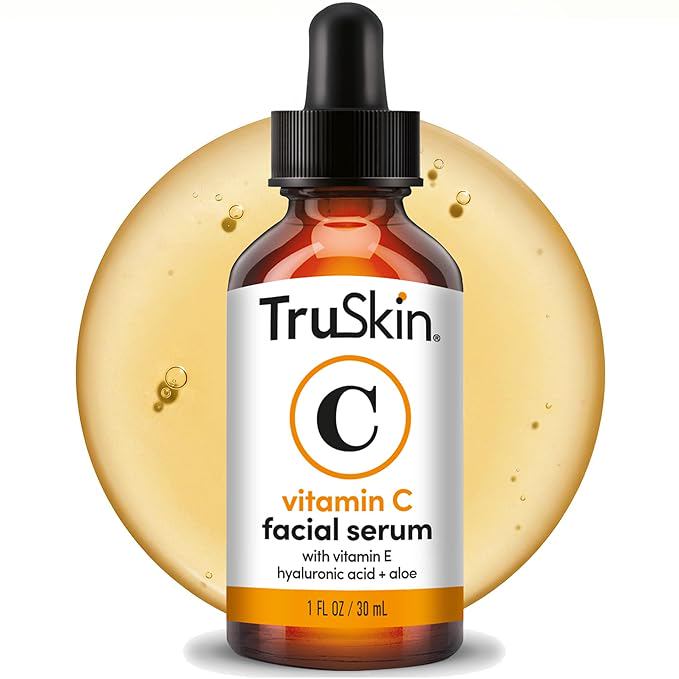
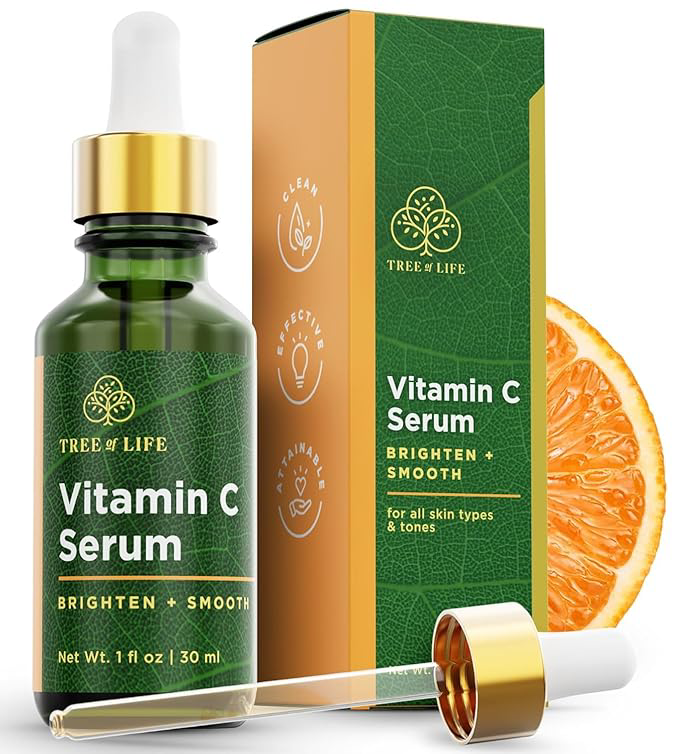
This is where your skincare routine can actively support your sun defense. Antioxidants like vitamin C, vitamin E, and niacinamide help neutralize the free radicals generated by UV exposure before they can damage collagen and promote pigmentation. Applying a vitamin C serum in the morning under your sunscreen creates a powerful synergistic effect—the antioxidant mops up free radicals, while the sunscreen prevents new ones from forming.
Ingredients That Support Skin Repair and Resilience
While prevention is paramount, certain ingredients can help address existing signs of sun damage and bolster skin's health. Retinoids, derivatives of vitamin A, are dermatologist gold standards. They work by accelerating cell turnover, fading hyperpigmentation, and stimulating new collagen production, which can soften fine lines and improve skin texture. They are potent, so start slowly, often just a few nights a week, and always follow with moisturizer.
Other beneficial ingredients include:
- Niacinamide (Vitamin B3): Helps strengthen the skin barrier, reduce redness, and inhibit the transfer of pigment to skin cells, making it excellent for mitigating sun spots.
- Alpha Hydroxy Acids (AHAs): Such as glycolic and lactic acid. They gently exfoliate the surface layer of skin, helping to fade discoloration and reveal brighter, smoother skin underneath.
- Azelaic Acid: Often used for its dual action on both post-inflammatory marks and sun-induced hyperpigmentation.
Remember, any product that increases cell turnover or exfoliation (like retinoids and AHAs) makes your skin more susceptible to sun damage. They are best used as part of a nighttime routine, with diligent morning sunscreen use non-negotiable.
Consistency is the true secret. The most elegant serum or highest-SPF sunscreen is only effective if you use it regularly. Building these habits into your daily life—like brushing your teeth—is what delivers lasting results. It's never too late to start; your skin has a remarkable ability to repair itself when given the proper protection. By adopting these dermatologist-backed strategies, you're not just preventing sun spots and wrinkles; you're investing in the long-term health and vitality of your skin.