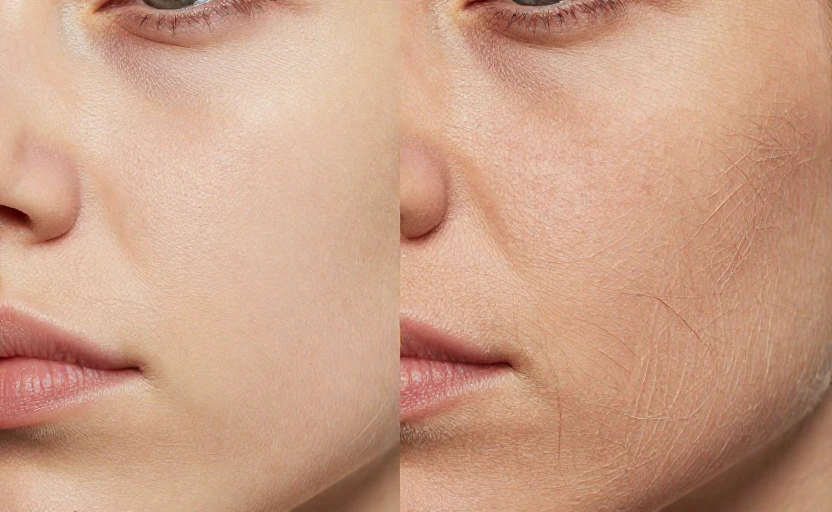
Your skin’s elasticity is one of its most remarkable qualities. It’s the bounce-back factor—the ability to stretch and then return to its original shape. Over time, this natural resilience can diminish, leading to a loss of firmness and the appearance of fine lines. While this is a normal part of aging, the process is influenced by far more than just the calendar. Understanding these factors is the first, most powerful step toward supporting your skin’s long-term health.
Dermatologists emphasize that prevention is not about chasing an impossible fountain of youth, but about making consistent, informed choices that protect your skin’s foundational structures. It’s a holistic approach, combining external protection with internal support. The goal isn’t to stop time, but to help your skin age as gracefully and healthily as possible.
What exactly is skin elasticity?
Think of your skin’s support system as a mattress. The top layer you see is like the quilted cover. Beneath it, a dense network of collagen fibers acts as the sturdy springs, providing structure and strength. Woven between these collagen coils are elastin fibers—the stretchy, rubber-band-like components that give skin its snap-back quality. Together, in a gel-like substance called the extracellular matrix, they create your skin’s supportive dermis.
Elasticity loss occurs when this supportive network weakens. Collagen production naturally slows by about 1% each year after our mid-20s. Elastin fibers, which are incredibly durable but not easily replaced, can become damaged and lose their resiliency. The result is skin that is thinner, less firm, and slower to return to place when pulled.
The primary causes of lost elasticity
Intrinsic aging, your genetic blueprint, sets the baseline pace. But extrinsic aging—the wear and tear from environmental and lifestyle factors—is where you have significant influence. These external accelerants work by generating free radicals, unstable molecules that damage collagen and elastin in a process called oxidative stress.
Sun exposure is, by a wide margin, the single greatest contributor. Ultraviolet (UV) rays penetrate the dermis, breaking down collagen and causing elastin fibers to clump and degrade—a process known as photoaging. This doesn’t just cause wrinkles; it fundamentally weakens the skin’s architecture.
Pollution and environmental toxins create a similar assault of free radicals on the skin’s surface. Smoking drastically reduces blood flow to the skin, depriving it of oxygen and nutrients, while the chemicals in tobacco smoke directly damage collagen and elastin.
Other key players include significant, repeated weight fluctuations, which can overstretch the skin’s support system, and chronic high sugar intake, which can lead to a process called glycation where sugar molecules bind to and stiffen collagen fibers.
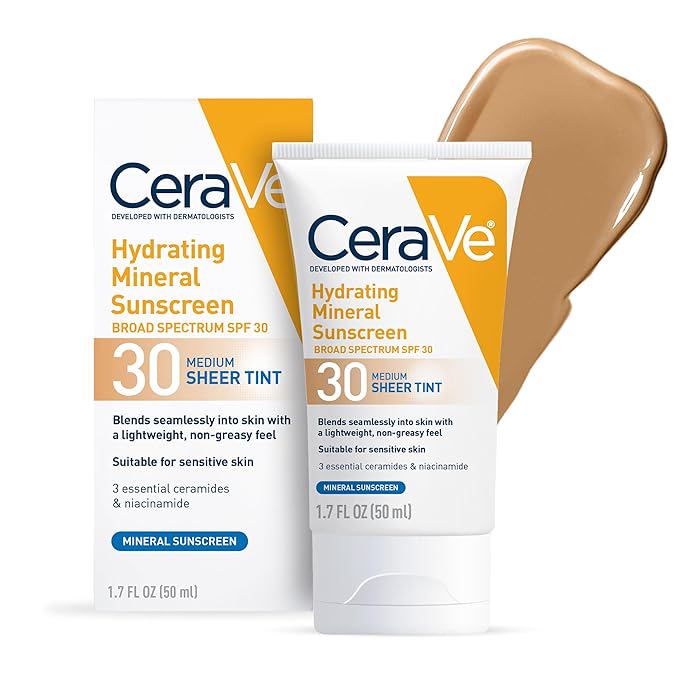
The most effective anti-aging product in your routine is your sunscreen. It’s non-negotiable protection for your skin’s support system.
A dermatologist-backed prevention strategy
Protecting elasticity is a daily practice built on a few core pillars. Consistency here is far more valuable than any single expensive treatment.
1. Sun protection, every single day
This means a broad-spectrum sunscreen with an SPF of 30 or higher, applied generously to all exposed skin, rain or shine. UV rays penetrate clouds and windows. Complement this with protective clothing, wide-brimmed hats, and seeking shade during peak sun hours (10 a.m. to 4 p.m.). Sun protection is the cornerstone of preserving collagen and elastin.
2. A supportive skincare routine
Your topical products work to protect, support, and gently encourage your skin’s natural functions.
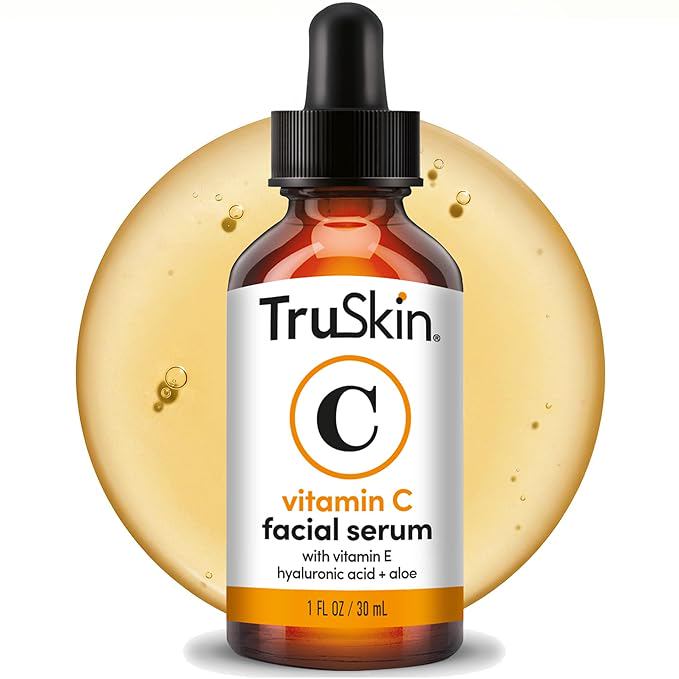
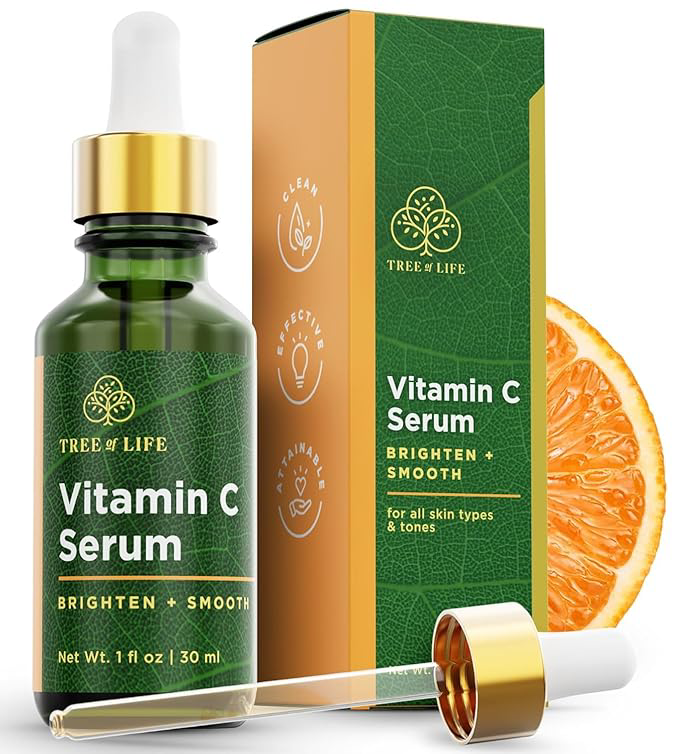
- Antioxidants: Serums containing vitamin C, vitamin E, ferulic acid, or niacinamide (vitamin B3) help neutralize free radicals before they can cause damage. Applying vitamin C in the morning under sunscreen offers a powerful one-two punch against daily environmental stressors.
- Retinoids: This vitamin A derivative, available in both prescription and over-the-counter (retinol) forms, is a gold-standard ingredient. It works at a cellular level to accelerate skin renewal, boost collagen production, and improve the appearance of existing sun damage. Start slowly to allow your skin to adjust.
- Gentle cleansing and consistent hydration: Harsh soaps can strip the skin’s natural barrier. Use a gentle cleanser and follow with a moisturizer to maintain a healthy skin barrier, which is better equipped to protect itself and retain plumpness.
3. Lifestyle foundations
What benefits your overall health benefits your skin.
- Nutrition: A diet rich in antioxidants helps combat oxidative stress from the inside out. Focus on colorful fruits and vegetables, healthy fats from sources like avocados and nuts, and lean proteins that provide the amino acids needed for collagen synthesis.
- Hydration: Drinking adequate water supports all bodily functions, including helping skin maintain its fullness and resilience.
- Sleep and stress management: During deep sleep, your body repairs cells, including skin cells. Chronic stress elevates cortisol, a hormone that can break down collagen. Quality sleep and stress-reducing practices like meditation are indirect but vital supports for skin health.
- Avoid smoking and limit alcohol: Both are significant sources of skin-damaging free radicals and dehydrate the body.
What about professional treatments?
For those seeking to address existing changes or boost prevention efforts, in-office dermatological procedures can be effective adjuncts. It’s crucial to have these performed by a qualified professional. Common options include:
- Laser therapies: Fractional lasers create microscopic injuries in the dermis to trigger a robust healing response and new collagen formation.
- Radiofrequency and ultrasound: These devices use energy to heat the deeper layers of skin, stimulating tightening and collagen remodeling over time.
- Microneedling: This procedure uses fine needles to create controlled micro-injuries, prompting the skin’s natural repair process and collagen production.
These treatments are investments with varying downtime and results. A board-certified dermatologist can help you understand which, if any, might be appropriate for your specific skin and goals, always within the context of a solid daily prevention routine.
The journey to maintaining skin elasticity is a marathon, not a sprint. It’s built on the small, daily decisions that add up to significant long-term benefits. By focusing on protection from the sun, supporting your skin with targeted ingredients, and nourishing your body from within, you are actively investing in your skin’s strength and resilience for years to come.