
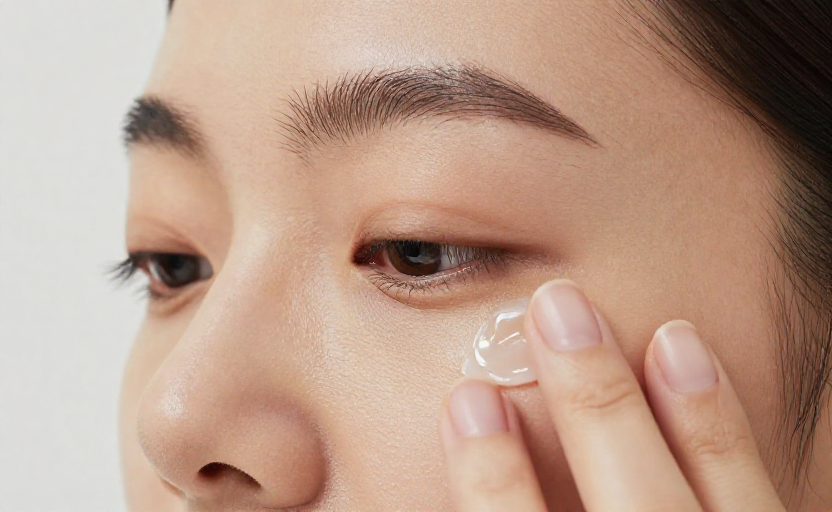
Dark circles are one of those skin concerns that almost everyone notices at some point. Whether they show up after a late night, during allergy season, or seem to stick around regardless of sleep, the urge to treat them quickly is strong. The problem is that many of the most popular creams, serums, and peels promise fast results but rely on ingredients that can irritate the delicate under-eye skin. So, what do dermatologists actually recommend when you want to fade dark circles without using harsh chemicals?
We spoke with leading dermatologists to find out which ingredients are effective without causing redness, peeling, or long-term damage. The consensus is clear: the under-eye area is thin and sensitive, so treating dark circles effectively means using targeted, gentle ingredients and being patient with results.
Why the Under-Eye Area Needs Special Care
The skin around your eyes is the thinnest on your entire body—roughly four times thinner than the skin on your face. It also has fewer oil glands, which means it loses moisture more easily and is more reactive to aggressive formulas. Because of this, dermatologists advise against using heavy-duty exfoliants like high-concentration glycolic acid or strong retinoids directly under the eyes. These ingredients can cause inflammation, which paradoxically makes dark circles look worse.
“If you strip the skin barrier under the eyes, you’ll see more visible blood vessels and a darker, more tired appearance,” explains one board-certified dermatologist. “The goal is to strengthen and hydrate, not to aggressively peel.”
Gentle Ingredients That Actually Work
Instead of harsh exfoliants, dermatologists point to a handful of well-tolerated ingredients that can improve the look of dark circles over time. These work by supporting circulation, strengthening the skin, or providing antioxidant protection.
Caffeine
Caffeine is a vasoconstrictor, meaning it temporarily tightens blood vessels. Under the eyes, this can reduce the appearance of puffiness and make bluish discoloration less noticeable. It’s a common ingredient in eye creams for a reason; it offers quick cosmetic results without irritation. Look for formulas that list caffeine or green tea extract near the top of the ingredient list.
Vitamin C (in a stable, gentle form)
Vitamin C is a powerhouse antioxidant that helps brighten skin and support collagen production. However, pure L-ascorbic acid can be too acidic for the under-eye area. Dermatologists suggest looking for derivatives like magnesium ascorbyl phosphate or tetrahexyldecyl ascorbate. These are less irritating while still providing visible brightening effects over several weeks.
Peptides
Peptides are short chains of amino acids that signal the skin to produce more collagen. While they won't erase dark circles overnight, they can help thicken the skin over time. Thicker skin around the eyes means that blood vessels underneath are less visible, which directly reduces the appearance of dark circles. Peptides are extremely well tolerated and rarely cause sensitivity.
Niacinamide
Niacinamide (vitamin B3) is a multi-tasker that strengthens the skin barrier, reduces inflammation, and can help fade pigmentation. It is particularly helpful for those whose dark circles have a brownish or yellowish hue, which often indicates hyperpigmentation rather than vascular issues. It is non-irritating for most people and pairs well with other gentle ingredients.
What to Avoid in Under-Eye Products
Knowing what to skip is just as important as knowing what to use. Dermatologists recommend avoiding the following ingredients in under-eye treatments, especially if you have sensitive skin.
- High-strength retinoids: These can cause severe peeling, redness, and dryness around the eyes. If you use a retinol face product, keep it well away from the orbital bone.
- Fragrance and essential oils: These are common irritants that can cause allergic reactions and inflammation under the eyes.
- High-concentration AHAs/BHAs: Even lactic acid, which is milder, should be used with caution. Stick to formulas specifically designed for the eye area, which typically use very low percentages.
“The under-eye area is not the place to test a new active ingredient. Stick to products that are formulated specifically for the eye contour and that have minimal ingredients.”
Lifestyle Habits That Help Without Harsh Chemicals
Topical treatments work best when paired with solid habits. Dermatologists emphasize that no cream can fully counteract chronic sleep deprivation or constant eye rubbing.
- Sleep with an extra pillow: This helps prevent fluid from pooling under your eyes, reducing morning puffiness.
- Apply cold compresses: A chilled spoon or a cool gel mask can constrict blood vessels temporarily, which helps with vascular dark circles.
- Be gentle during cleansing: Avoid pulling or tugging the skin around your eyes. Use your ring finger to pat on products, never rub.
- Manage allergies: Allergic rhinitis is a major cause of dark circles (often called “allergic shiners”). Treating your allergies can often reduce dark circles more effectively than any cream.
When to Consider Professional, Non-Irritating Treatments
For stubborn dark circles that don't respond to skincare, in-office treatments can be remarkably gentle and effective. Laser treatments, such as non-ablative fractional lasers or intense pulsed light (IPL), can target pigmentation and blood vessels without damaging the skin surface. Another popular option is platelet-rich plasma (PRP) injections, which use your own blood components to stimulate collagen and thicken the skin. These procedures are performed by dermatologists and are designed to minimize downtime and irritation.
Patience Is Key
The most important takeaway from dermatologists is that treating dark circles without harsh ingredients takes time. You might not see a dramatic change in a week, but over the course of two to three months of consistent use of gentle, targeted products, the skin becomes firmer, brighter, and more even-toned. That gradual improvement is both safer and more lasting than any quick fix that comes with a risk of irritation.