
When temperatures drop and indoor heating kicks in, dry skin becomes a near-universal complaint. The cold air holds less moisture, and our skin’s natural barrier struggles to retain water. The result? Tightness, flaking, redness, and that uncomfortable itch that seems impossible to soothe. While you can’t change the weather, you can change how you care for your skin. These seven dermatologist-backed strategies will help you keep your skin comfortable and hydrated all season long.
1. Switch to a gentler cleansing routine
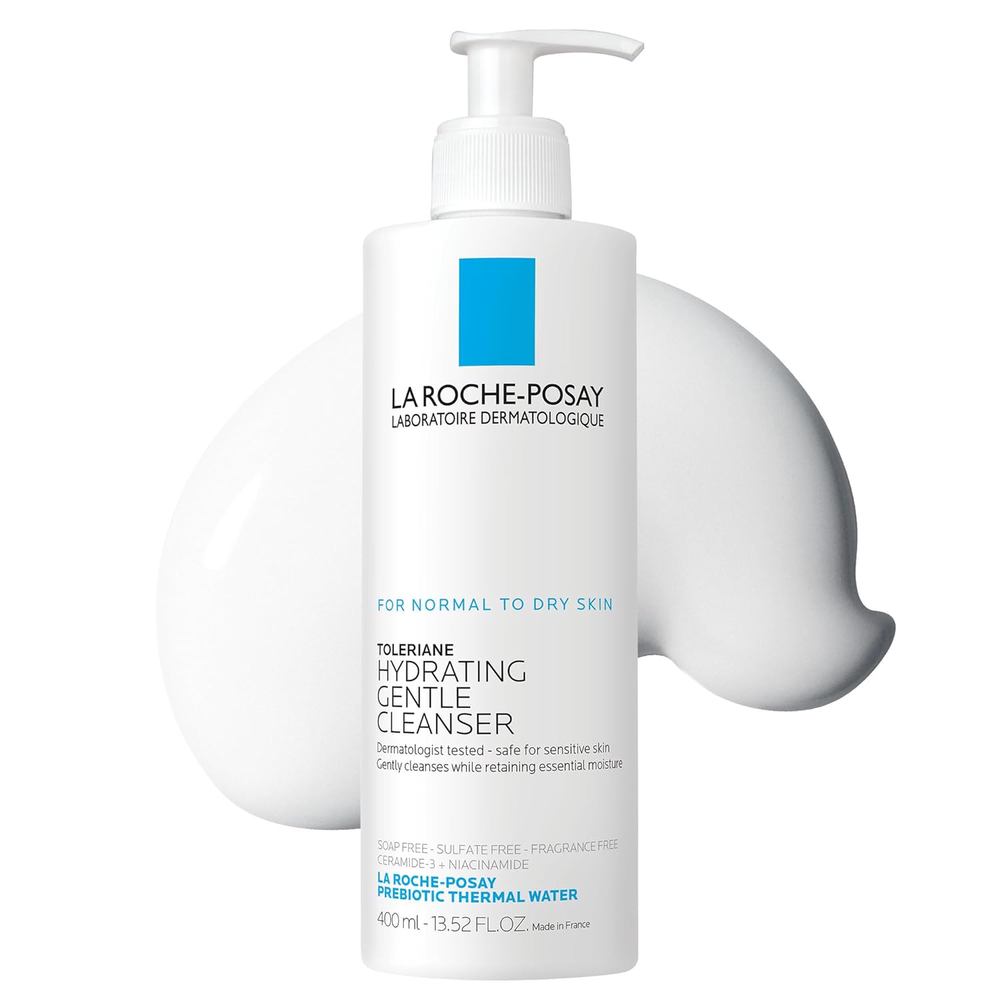
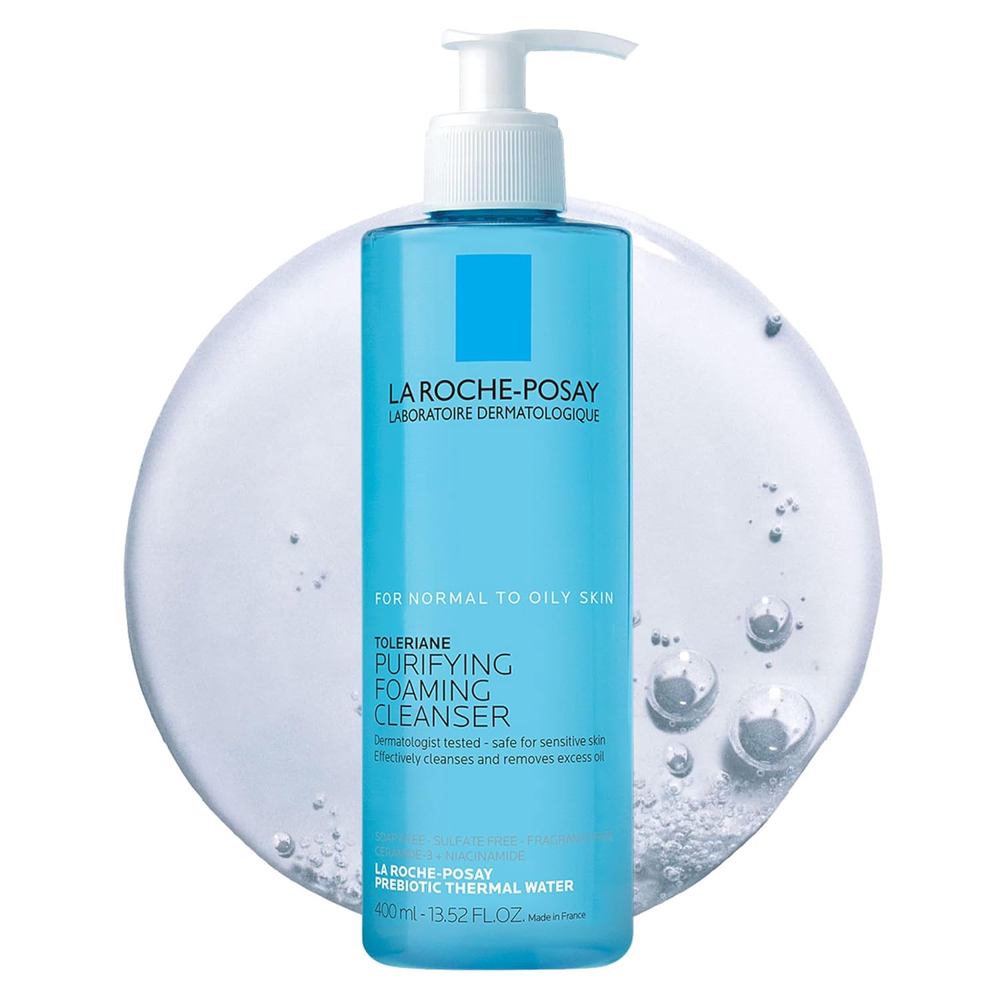
Your daily cleanser might be working against you. Many foaming and gel cleansers contain sulfates that strip away natural oils, leaving skin even drier in winter. Swap to a cream-based or oil-based cleanser that cleans without disrupting the skin barrier. Limit washing your face to once or twice a day, and always use lukewarm water — hot water accelerates moisture loss.
2. Upgrade your moisturizer for the season
Lightweight lotions that worked in summer may not cut it when the air is dry. Look for a richer cream or ointment that contains a mix of three types of ingredients:
- Humectants like glycerin and hyaluronic acid, which draw water into the skin.
- Emollients such as squalane or shea butter, which smooth out rough patches and fill in gaps between skin cells.
- Occlusives like petrolatum or dimethicone, which create a protective seal to prevent water from escaping.
Apply moisturizer immediately after bathing — within three minutes — while skin is still slightly damp. This locks in hydration more effectively than applying it to dry skin.
3. Add a humidifier to your bedroom
Indoor heating systems blast warm, dry air that saps moisture from your skin. Running a humidifier in the room where you sleep can help restore some of that lost humidity. Aim for a relative humidity level between 40 and 60 percent. Clean the humidifier regularly to prevent mold and bacteria from circulating. Even a small tabletop model can make a noticeable difference in how your skin feels in the morning.
4. Rethink your shower habits
A long, hot shower on a cold morning feels wonderful, but it’s one of the most drying things you can do to your skin. Hot water breaks down the lipid barrier that holds moisture in. Keep showers to 5–10 minutes and use warm — not scalding — water. Pat your skin dry with a soft towel instead of rubbing, and follow with moisturizer immediately.
5. Protect your skin before you step outside
Cold wind and low humidity attack exposed skin. In winter, a scarf or a balaclava can shield your face from direct wind. Apply a barrier cream or balm to especially vulnerable areas — lips, cheeks, and the skin around your nose — before going out. Don’t forget sunscreen; snow reflects up to 80 percent of UV rays, so SPF 30 or higher on exposed skin remains necessary, even on cloudy winter days.
6. Choose fabrics that don’t irritate
Wool and synthetic fibers can aggravate dry, sensitive skin. Wear soft, breathable fabrics like cotton or bamboo next to your skin, with wool sweaters or fleece jackets on top. Wash your clothes with a fragrance-free, dye-free laundry detergent to avoid exposing your skin to unnecessary irritants. If your skin feels itchy after changing clothes, the fabric or detergent could be the culprit.
7. Drink enough water and support skin from within
Hydration starts on the inside. While drinking water won’t instantly cure dry skin, chronic dehydration can make the problem worse. Aim for the general recommendation of about eight glasses of water a day, and try to include water-rich foods like cucumbers, oranges, and soups in your winter diet. Essential fatty acids — found in fish, flaxseeds, and walnuts — also help maintain the skin’s natural oil barrier.
A quick note on consistency: Skin takes time to respond to changes. Stick with your winter routine for at least two weeks before deciding if it’s working. If dryness persists or turns into painful cracking, see a board-certified dermatologist — some conditions like eczema require prescription treatments.