By the time you hit your forties, the mirror starts telling a slightly different story. Lines deepen, skin feels thinner, and that bounce you once took for granted begins to fade. While these changes are a normal part of getting older, the underlying culprit is often the same: a steady drop in collagen production. But aging itself is only part of the narrative. Dermatologists point to several specific, often overlooked factors that accelerate collagen loss after 40. Understanding these triggers is the first step toward protecting the skin you have.
Why your skin changes after 40
Collagen is the structural protein that gives skin its firmness and resilience. Think of it as the scaffolding beneath the surface. Around age 40, natural collagen production slows significantly—by roughly one percent each year after that. This slowdown is genetically programmed, but lifestyle and environmental exposure can either soften or speed up the process. What dermatologists emphasize is that some of the most damaging influences are the ones you face daily without realizing it.
The sun: the relentless thief
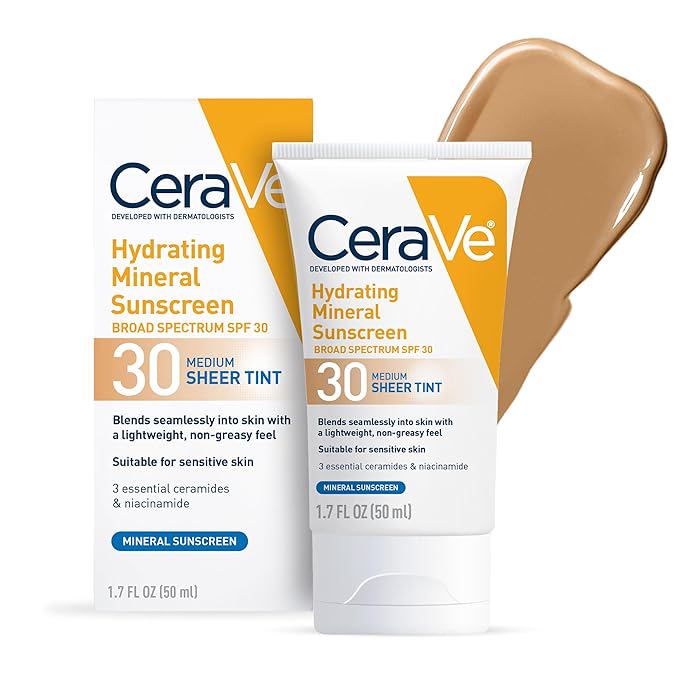
If there is one factor dermatologists rank above all others, it is cumulative sun exposure. Ultraviolet radiation breaks down collagen fibers directly, triggering a process called photoaging. Unlike chronological aging, photoaging is largely preventable. Dr. Mary Stevenson, a board-certified dermatologist, puts it plainly: “The UV damage you accumulated in your teens and twenties shows up as collagen loss in your forties and fifties.” Even incidental exposure—driving with sun coming through the car window, walking to the mailbox—adds up. Broad-spectrum sunscreen with SPF 30 or higher, worn daily, is the single most effective step you can take to preserve existing collagen.
Daily sunscreen isn't optional after 40. It's the cheapest investment in your skin's future.
Sugar and diet: the silent cross-linkers
What you eat shows up on your face. When you consume excess sugar, it attaches to collagen and elastin fibers in a process called glycation. This forms advanced glycation end-products (AGEs) that make collagen stiff and brittle. The result is skin that loses its springiness and develops a more yellow, leathery appearance. Dermatologists note that the typical Western diet—high in refined carbs, soda, and processed sweets—significantly accelerates glycation. Cutting back on added sugars doesn't just benefit your waistline; it directly supports your skin's structure. Prioritizing whole foods rich in vitamin C, like citrus fruits and bell peppers, can help counteract some of this damage because vitamin C is a necessary cofactor for collagen synthesis.
Chronic sleep deprivation
Sleep is when your body repairs itself, and that includes the skin. During deep sleep, cortisol levels drop and growth hormone increases, both of which support collagen production. When you are chronically sleep-deprived, cortisol stays elevated, which degrades collagen. Dermatologists have observed that patients who consistently sleep less than six hours a night tend to show more fine lines, dullness, and sagging. A regular sleep schedule and aiming for 7–9 hours allows your skin's nightly repair cycle to function properly.
Smoking: direct destruction
Smoking introduces thousands of chemicals into the bloodstream, many of which degrade collagen. Nicotine constricts blood vessels, reducing oxygen flow to the skin, while other toxins activate enzymes called matrix metalloproteinases (MMPs) that literally eat away at collagen. The results are well-documented: smokers often have significantly thinner, more wrinkled skin than non-smokers of the same age. Dr. Stevenson adds, “Quitting smoking at any age has measurable benefits for skin health, often within weeks. The body is remarkably good at repairing itself once you stop the damage.”
Stress and cortisol overload
Modern life runs on stress, and your skin pays the price. When stress hormones like cortisol remain high for long periods, they suppress collagen synthesis and slow wound healing. Dermatologists have observed that periods of high emotional or physical stress often coincide with sudden increases in fine lines and skin fragility. Incorporating stress management—whether through exercise, meditation, or simple downtime—is not just good for mental health; it's a direct way to protect your skin's collagen.
What you can do right now
There's no way to stop time entirely, but there is plenty you can control. A well-rounded approach includes diligent sun protection, a low-sugar diet, adequate sleep, smoking cessation, and stress management. These changes address the root causes of accelerated collagen loss rather than just masking the symptoms. Over-the-counter skincare products containing retinoids (like retinaldehyde or retinol) and vitamin C can also support collagen production, but dermatologists stress that no cream can outrun a poor lifestyle.
The goal isn't perfection. It's consistency. Small daily habits protect your collagen better than an occasional intense routine.