
When your skin feels tight, looks dull, or starts flaking, the natural instinct is to reach for the richest cream you can find. Yet true, fast hydration isn't about slathering on more product—it’s about ingredients and order. Dermatologists emphasize that restoring moisture quickly means working with your skin’s barrier, not against it.
Why does skin lose hydration so fast?
Your outermost skin layer, the stratum corneum, acts like a brick wall. Dead skin cells (bricks) are held together by lipids (mortar). When that mortar breaks down—because of harsh cleansers, cold air, low humidity, or simply aging—water evaporates more easily. This is called transepidermal water loss (TEWL). The result: even well-moisturized skin can feel parched within hours.
Genetics and environment play roles, but the quickest route to rehydration is repairing that lipid barrier and delivering humectants into the deeper layers.
What dermatologists recommend first: humectants and occlusives
The fastest hydrating strategy pairs a humectant (something that draws water into the skin) with an occlusive (something that seals it in). Think of it as filling a bucket and then putting a lid on it.
- Humectants like hyaluronic acid and glycerin pull moisture from the air and deeper skin layers up to the surface. Applied to damp skin, they provide an almost instant plumping effect.
- Occlusives such as petrolatum, shea butter, squalane, or dimethicone create a physical barrier on top. They can reduce TEWL by up to 98 percent.
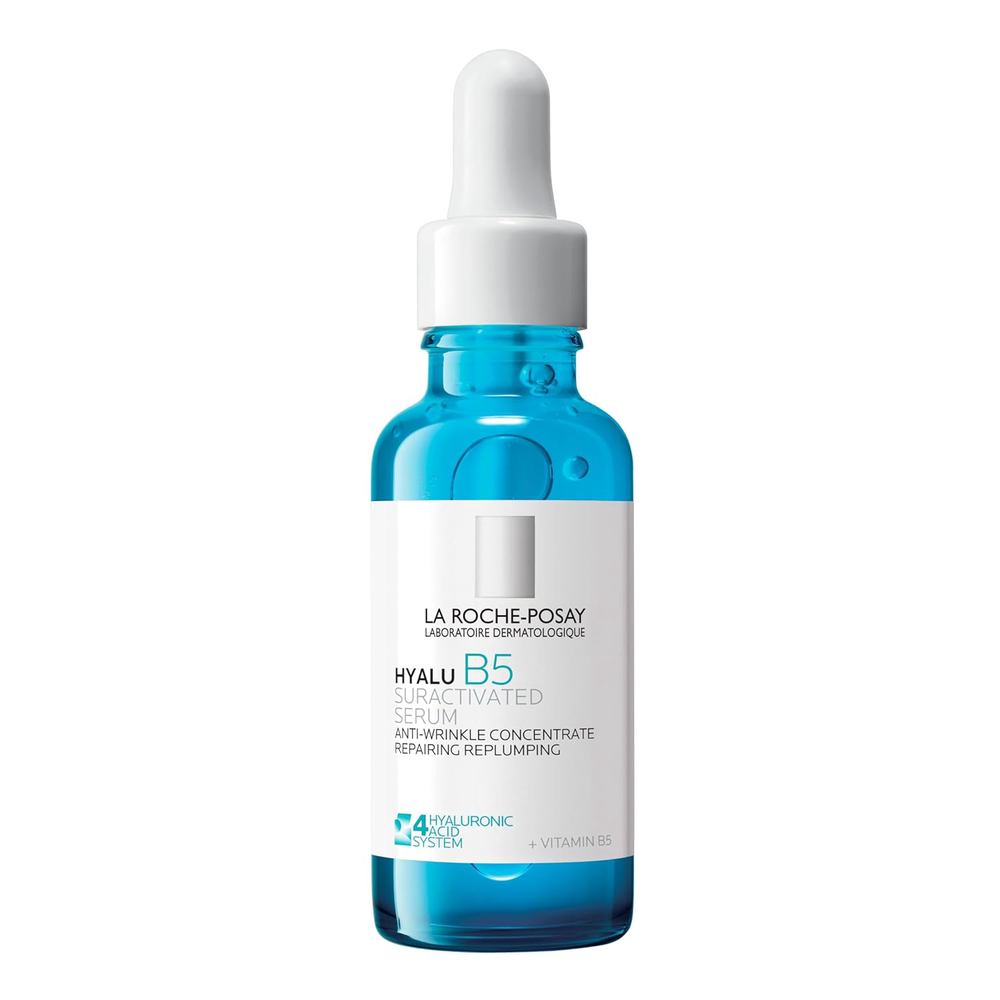
Dermatologists often suggest applying a hydrating serum or toner containing humectants first, while skin is still slightly damp, then locking it in with a moisturizer that contains occlusives.
Key ingredients that deliver rapid results
Not all hydrating ingredients work the same way. For fast relief, look for these proven components in your routine:
- Hyaluronic Acid: A powerful humectant that can hold up to 1,000 times its weight in water. It comes in different molecular weights; low-molecular-weight versions penetrate deeper for longer-lasting effects.
- Glycerin: A classic, inexpensive humectant that remains one of the most effective water-binding agents available.
- Ceramides: Lipid molecules that are naturally found in the skin barrier. Supplementing them helps repair the “mortar” between cells, reducing water loss.
- Vitamin C (L-ascorbic acid or derivatives): While best known for brightening, it also supports collagen production and helps strengthen the barrier over time.
- Panthenol (Provitamin B5) and Niacinamide: Both soothe irritation and help the skin hold onto moisture more effectively.
“Layering a humectant serum on damp skin, followed by a ceramide-rich moisturizer, can visibly improve hydration in a single day for most people.” —Common dermatology guidance
Your fast hydration routine: step by step
A streamlined nighttime routine can turn things around quickly. Here is a sequence based on how dermatologists typically advise rebuilding barrier function:
- Use a gentle, non-stripping cleanser (look for “sulfate-free” on the label). Avoid hot water; lukewarm is best.
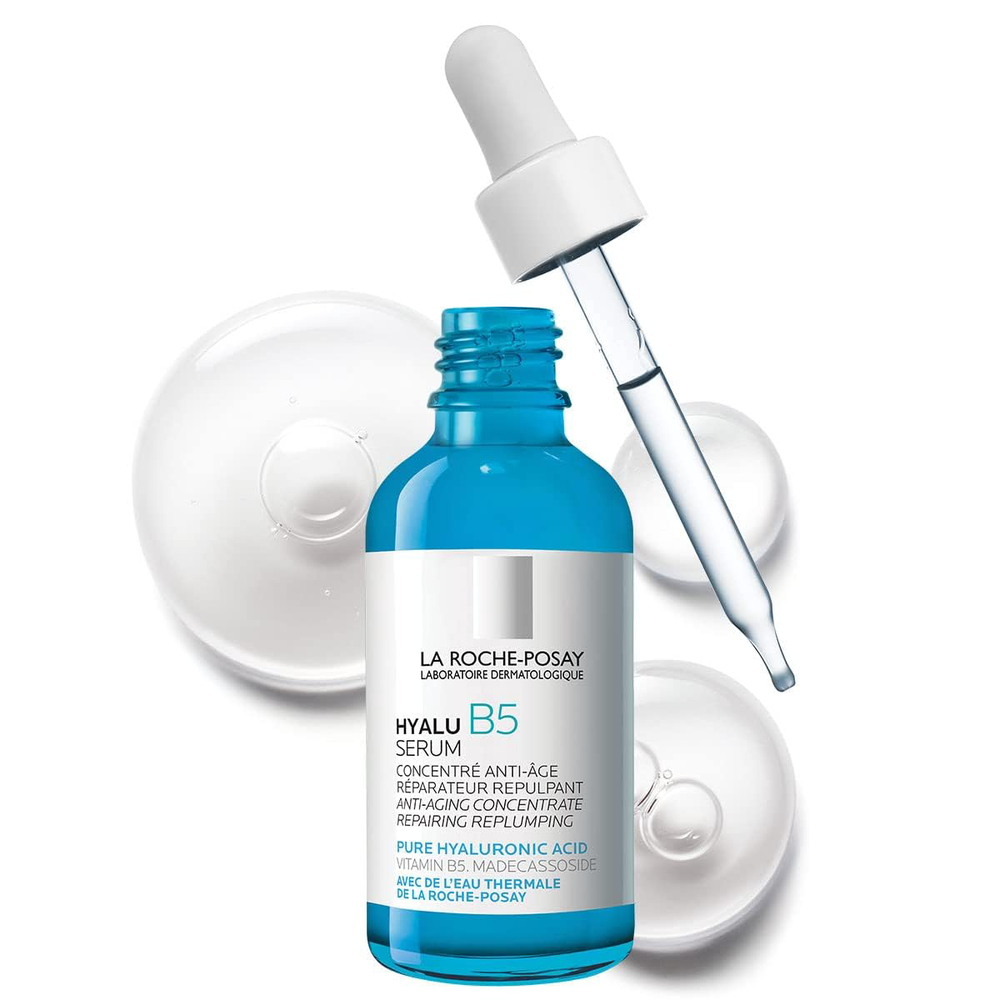
- Apply a humectant to damp skin. While skin is still dewy, pat on a few drops of a hyaluronic acid or glycerin serum. This is where the water goes in.
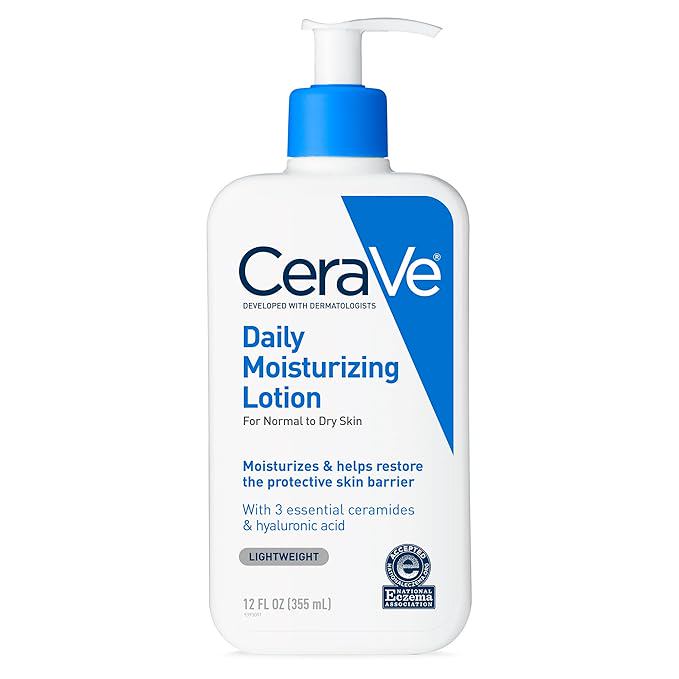
- Lock it in with a barrier-supporting moisturizer. Choose a formula that contains ceramides, shea butter, or squalane.
- Seal overnight if needed. A very thin layer of petrolatum or a balm over the driest spots can act as an extra occlusive—but this is optional and not for acne-prone skin.
Many people see improvement in skin texture and tightness within 24 to 48 hours, though deeper barrier repair takes several weeks.
What about facial oils and sheet masks?
Facial oils are occlusives, not humectants. They are great for sealing in moisture, but they don’t add water to the skin. If your skin is dehydrated, use a humectant first, then apply oil over the moisturizer.
Sheet masks deliver a high concentration of humectants and soothing ingredients for 15–20 minutes. They can give a temporary plumping effect but rarely solve chronic dehydration. Dermatologists generally view them as a quick fix, not a replacement for a consistent routine.
Additional tips: Avoid alcohol-based toners and foaming cleansers that disrupt the barrier. If your environment is very dry, a humidifier adds moisture back into the air, which helps humectants work more effectively. When you are out in cold or windy weather, a scarf or balaclava helps protect facial skin.