Scalp buildup can be frustrating, especially for those with curly hair. Product residue, excess sebum, and dead skin cells can accumulate, leading to itchiness, flakes, and dull-looking curls. While a deep cleanse might seem like the answer, many shampoos designed to strip away buildup are too harsh for curly textures, leaving hair dry, frizzy, and prone to breakage. So, what do dermatologists recommend for effectively removing scalp buildup without compromising your curl pattern?
The key lies in finding a balance between cleansing and moisturizing. Harsh sulfates can disrupt the scalp's natural moisture barrier and strip the hair of its essential oils. Instead, dermatologists often suggest gentle yet effective clarifying methods that respect the unique needs of curly hair. Below, we break down the professional-recommended strategies and ingredients to keep your scalp healthy and your curls defined.
Why curly hair needs a different approach to scalp cleansing
Curly hair is naturally drier than straight hair because the scalp's natural oils (sebum) have a harder time traveling down the spiral hair shaft. This means that harsh clarifying shampoos can leave curls parched and vulnerable to damage. At the same time, the shape of curly hair follicles can trap oil and product buildup more easily, making regular but gentle cleansing essential.
Dermatologists emphasize that a healthy scalp is the foundation for healthy hair growth. When buildup clogs hair follicles, it can lead to inflammation, slow growth, and even temporary thinning. The goal is not to eliminate all oil, but to remove excess residue while preserving the scalp's microbiome and the hair's natural moisture.
What dermatologists recommend as a first step
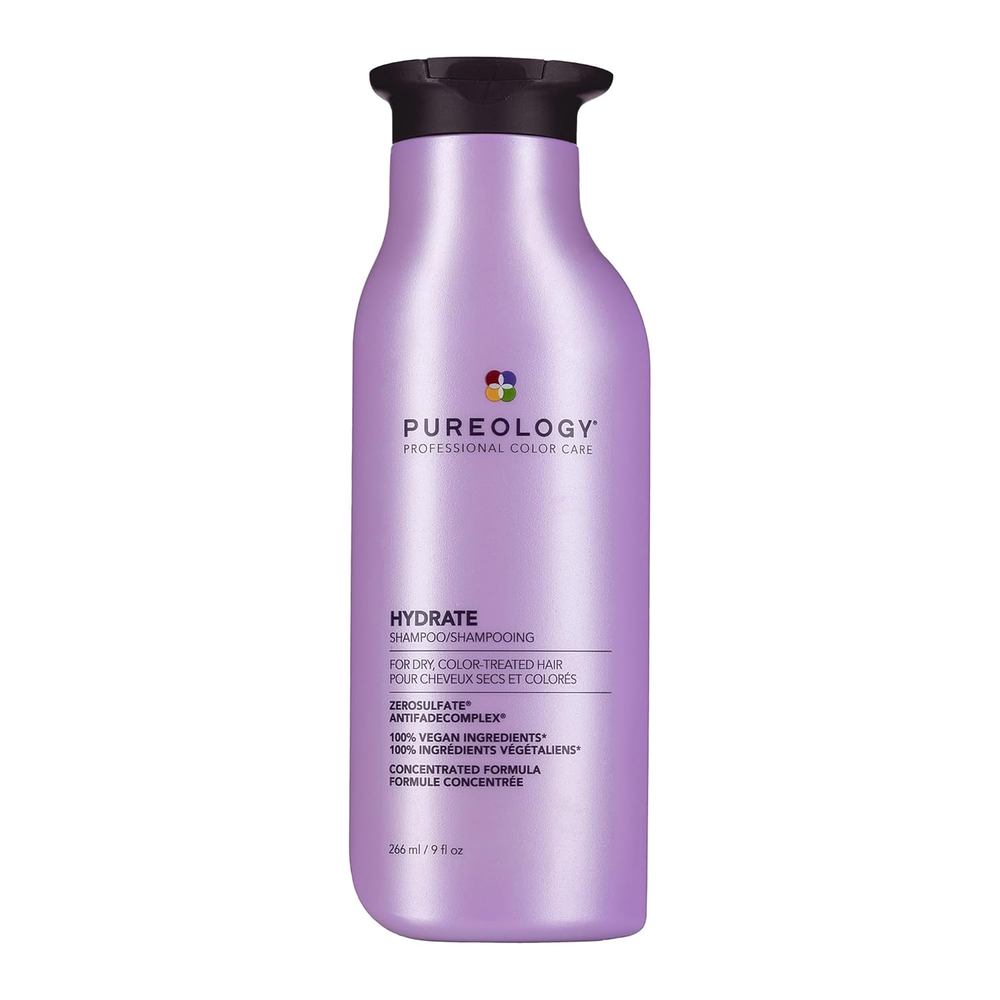
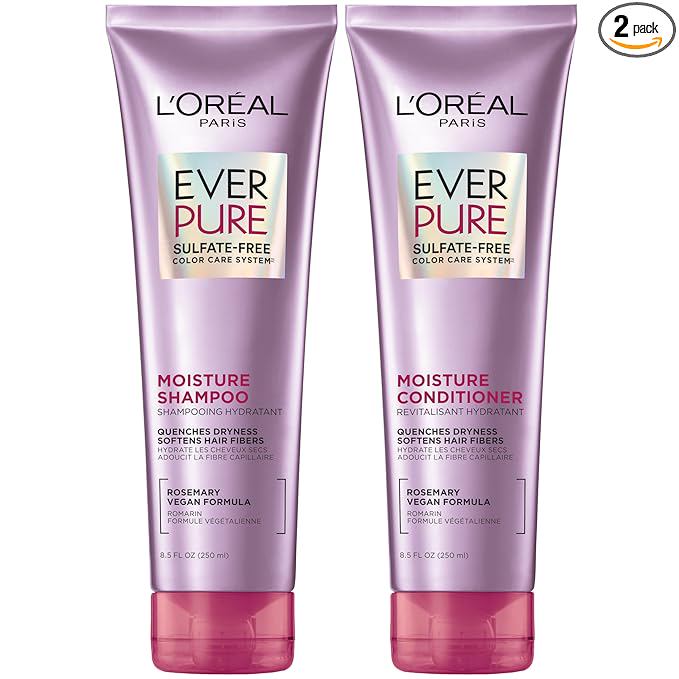
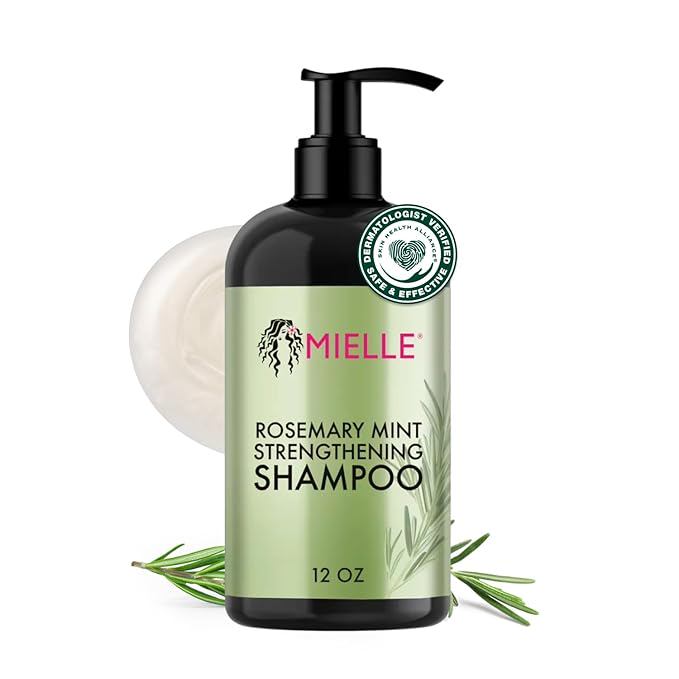
The simplest and often most underrated tool for removing scalp buildup is a gentle, sulfate-free cleanser formulated specifically for curly hair. Look for shampoos that contain words like “clarifying” or “purifying” but are free of sodium lauryl sulfate (SLS) and sodium laureth sulfate (SLES). Instead, these products use milder surfactants derived from coconut or glucose that cleanse without stripping.
Many dermatologists also recommend a pre-wash treatment. Before shampooing, apply a lightweight oil—such as jojoba or grapeseed oil—to your scalp. Let it sit for 10–15 minutes to help dissolve excess sebum and loosen product residue. This step, often called a “pre-poo,” makes the subsequent cleanse more effective and less aggressive.
Physical exfoliation: gentle techniques that work
While chemical exfoliants have their place, gentle physical exfoliation can be particularly helpful for curly hair. Instead of using gritty scrubs that can cause micro-tears, dermatologists suggest using a scalp brush with soft silicone bristles during shampooing. The brush lifts flakes and dislodges buildup without scratching the skin.
Another effective method is a gentle fingertip massage while shampooing. Use the pads of your fingers (not your nails) to work the cleanser into your scalp in small, circular motions. This helps break up buildup while stimulating blood circulation. Make sure to rinse thoroughly, as any leftover product can contribute to further accumulation.
Chemical exfoliants for persistent buildup
For those who struggle with chronic flakes or buildup from heavy styling products (like gels and creams), chemical exfoliants can be a game-changer. Ingredients like salicylic acid (beta hydroxy acid) are lipid-soluble, meaning they can penetrate deep into hair follicles to dissolve oil and dead skin. This ingredient is often found in medicated shampoos for dandruff, but it can also be used in a leave-on scalp treatment.
A note from dermatologists: If you have sensitive skin or a history of eczema, start with a low concentration (1–2%) and use it no more than once a week. Discontinue if you experience stinging or irritation.
Another option is apple cider vinegar (ACV) rinses, which many curl enthusiasts use. A diluted ACV rinse can help rebalance the scalp's pH and cut through product residue. However, experts caution that undiluted vinegar can be too acidic and cause burns, so always mix one part vinegar with three to four parts water. Limit use to once every two weeks.
The role of clarifying shampoos and how to use them safely
Even in the gentle-curly community, a deep cleanse is sometimes necessary. The trick is choosing the right clarifying shampoo and using it correctly. Look for shampoos that contain chelating agents, which are designed to remove mineral and metal buildup from hard water, alongside mild cleansing agents.
Here's how to use a clarifying shampoo without over-stripping your curls:
- Don't use it more than once a month. Over-clarifying leads to dryness and potential protein loss.
- Follow with a deep conditioner. After clarifying, use a rich, moisturizing mask or conditioner to restore hydration.
- Section your hair before application. This ensures even distribution and prevents concentrating the product on any one area.
Lifestyle habits that help reduce buildup
In addition to using the right products, small changes in your routine can make a big difference. Wearing a satin or silk bonnet while sleeping reduces friction and stops your pillowcase from absorbing the oils your scalp needs. Also, consider giving your scalp a break from heavy creams and butters at least once a week. Instead, use lighter water-based products to allow the scalp to breathe.
A balanced diet rich in omega-3 fatty acids, zinc, and B vitamins also supports a healthy scalp environment. While diet alone won't cure buildup, it can improve the quality of your sebum, making it less sticky and easier to remove.
When to see a dermatologist
If you've tried these methods and still experience itching, redness, or persistent flakes, it may be time to see a board-certified dermatologist. Sometimes what looks like simple buildup can actually be seborrheic dermatitis, psoriasis, or another skin condition that requires a prescription treatment. A professional can examine your scalp and recommend a tailored plan that works for your curls.
Remember, a clean scalp doesn't mean a scrubbed-clean feeling. For curly hair, healthy often means balanced. By choosing the right products and techniques, you can remove buildup while keeping your curls bouncy, defined, and hydrated.