
Summer sun feels good, but for anyone prone to dark spots or uneven skin tone, it also brings a real concern: hyperpigmentation. UV rays are the primary trigger for excess melanin production, and the heat itself can worsen post-inflammatory marks from breakouts or irritation. The good news is that dermatologists have a clear roadmap for preventing those stubborn spots before they appear—and much of it comes down to consistent, well-chosen daily habits.
Below, we break down the expert-recommended strategies for keeping your complexion even and radiant all season long, from the non-negotiable sunscreen routine to targeted ingredients that interrupt pigment production at the source.
Why summer makes hyperpigmentation worse
Hyperpigmentation—whether from sun damage, old acne marks, melasma, or post-inflammatory changes—is driven by melanocyte activity. Ultraviolet (UVA and UVB) radiation stimulates these pigment-producing cells. Infrared heat from the sun and even environmental heat (think: a hot car or a long walk at midday) can also trigger melanin synthesis. That means you need more than just a simple sunscreen; you need a layered defense that addresses both light and heat.
The foundation: daily broad-spectrum sunscreen
Every dermatologist agrees: a high-quality, broad-spectrum sunscreen with at least SPF 30 is the single most effective way to prevent new pigment from forming. But not all formulas are equal for hyperpigmentation-prone skin.
- Zinc oxide or titanium dioxide — Mineral (physical) sunscreens sit on top of the skin and reflect UV rays. They are less likely to irritate sensitive skin and are often preferred for melasma-prone complexions.
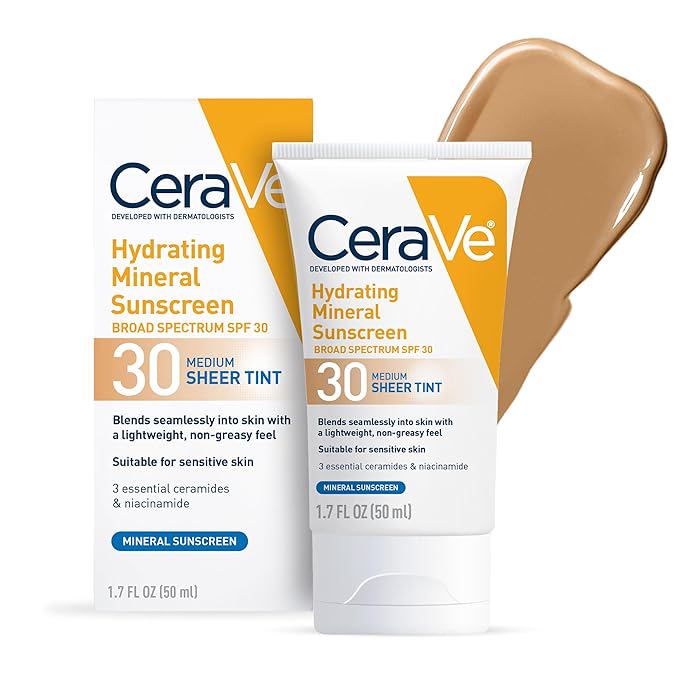
- Iron oxides — Found in tinted sunscreens, iron oxides block visible light (HEV), which can also worsen dark spots. If you have melasma or stubborn hyperpigmentation, a tinted mineral formula is your best daytime partner.
- Reapply, reapply, reapply — Sunscreen loses efficacy every two hours, especially if you are sweating or swimming. Set a phone reminder or keep a travel-size sunscreen in your bag.
Tips for compliance: Choose a texture you actually like—gel, lotion, stick, or spray. If it’s pleasant to wear, you will wear it every day, which is what matters most.
Add a pigment-fighting serum to your morning routine
Dermatologists often layer a brightening serum underneath sunscreen. The goal here is to inhibit tyrosinase, the enzyme that kicks off melanin production, and to speed up cell turnover so existing pigment fades faster.
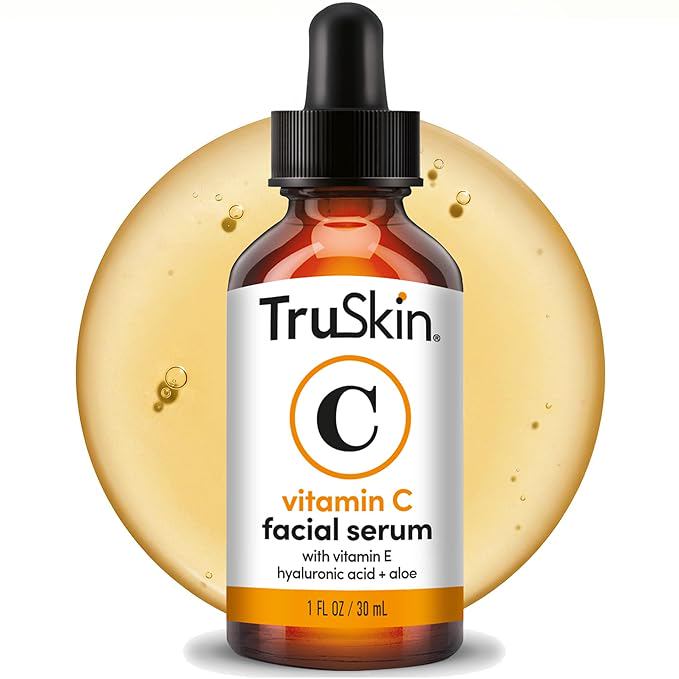
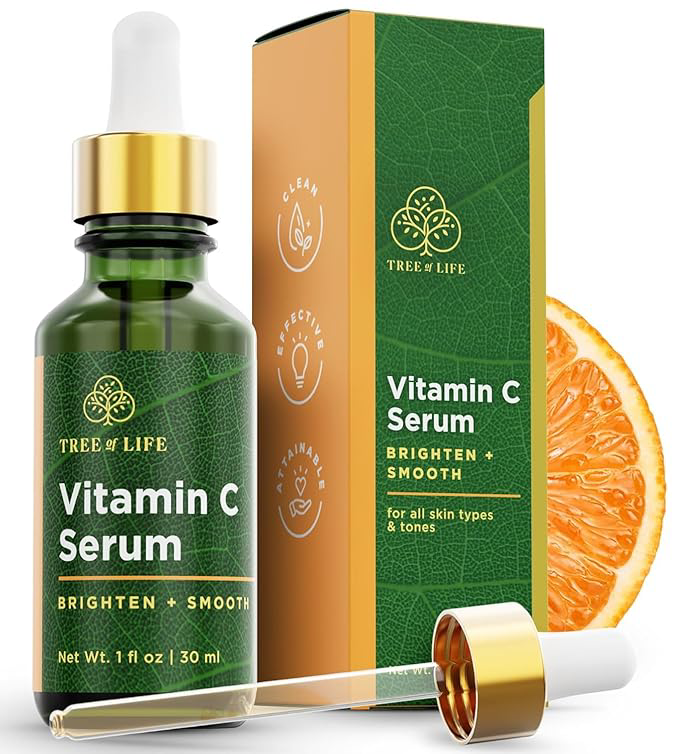
- Vitamin C (L-ascorbic acid) — A potent antioxidant that neutralizes free radicals caused by UV exposure and directly reduces melanin formation. Use a stable, pH-correct formula in the AM before sunscreen.
- Niacinamide (vitamin B3) — A gentle, well-tolerated ingredient that interrupts melanosome transfer (the process by which pigment reaches skin cells). It also strengthens the skin barrier, which helps counter summer dehydration.
- Ferulic acid — Often combined with vitamins C and E, ferulic acid boosts antioxidant protection and stabilizes the formula. Look for serums that pair these three for the most robust daytime defense.
Nighttime repair: retinoids and exfoliation
While daytime is about protection and prevention, nighttime is the window for active repair. Retinoids—from over-the-counter retinol to prescription tretinoin—accelerate cell turnover, unclog pores, and lighten existing pigmentation over time. Start with a low strength (0.25%–0.5% retinol) every other night, then build up as tolerated.
Gentle exfoliation also helps. Azelaic acid is a favorite among dermatologists for hyperpigmentation because it targets melanin production and also has anti-inflammatory properties—ideal for those who also struggle with acne. Use it in the evening on clean skin, alternating with your retinoid if you are new to active ingredients.
Don’t forget the neck and hands
Hyperpigmentation doesn’t stop at your jawline. The neck, chest, and hands receive constant sun exposure and are often forgotten. Extend your entire routine—sunscreen, serum, moisturizer—down to your collarbone and the backs of your hands every single day.
Lifestyle habits that support prevention
Skin care from the outside works best when you reduce internal inflammation and external triggers.
- Seek shade during peak hours (10 a.m. to 4 p.m.). The UV index is highest then, and even sunscreen isn’t bulletproof.
- Wear UPF-rated clothing, a wide-brimmed hat, and UV-blocking sunglasses. Sun-protective fabrics (with a UPF of 30–50+) are lightweight and breathable—no excuse to skip them.
- Keep skin cool after sun exposure. Use a gentle mist (such as a rosewater or thermal water spray) or a cool cloth to reduce heat-induced melanin activity.
- Avoid picking at pimples or scabs. Any trauma to skin can trigger post-inflammatory hyperpigmentation, especially in darker skin tones. Treat breakouts gently with spot treatments containing salicylic acid or benzoyl peroxide.
When to see a professional
If over-the-counter products aren’t making a visible difference after 3–4 months of consistent use, or if your hyperpigmentation is widespread or deeply pigmented, a board-certified dermatologist can help. In-office options include chemical peels (glycolic or lactic acid), laser treatments (such as IPL or fractional resurfacing), and prescription-strength ingredients like hydroquinone or tranexamic acid. A professional can also confirm that the pigmentation isn’t a sign of skin cancer or an underlying condition.
The key is consistency over perfection. Even small, daily choices—like reapplying sunscreen or adding a vitamin C serum—compound over weeks and seasons. By layering protection, targeted ingredients, and heat-avoiding habits, you can enjoy summer without worrying about dark spots catching up to you.