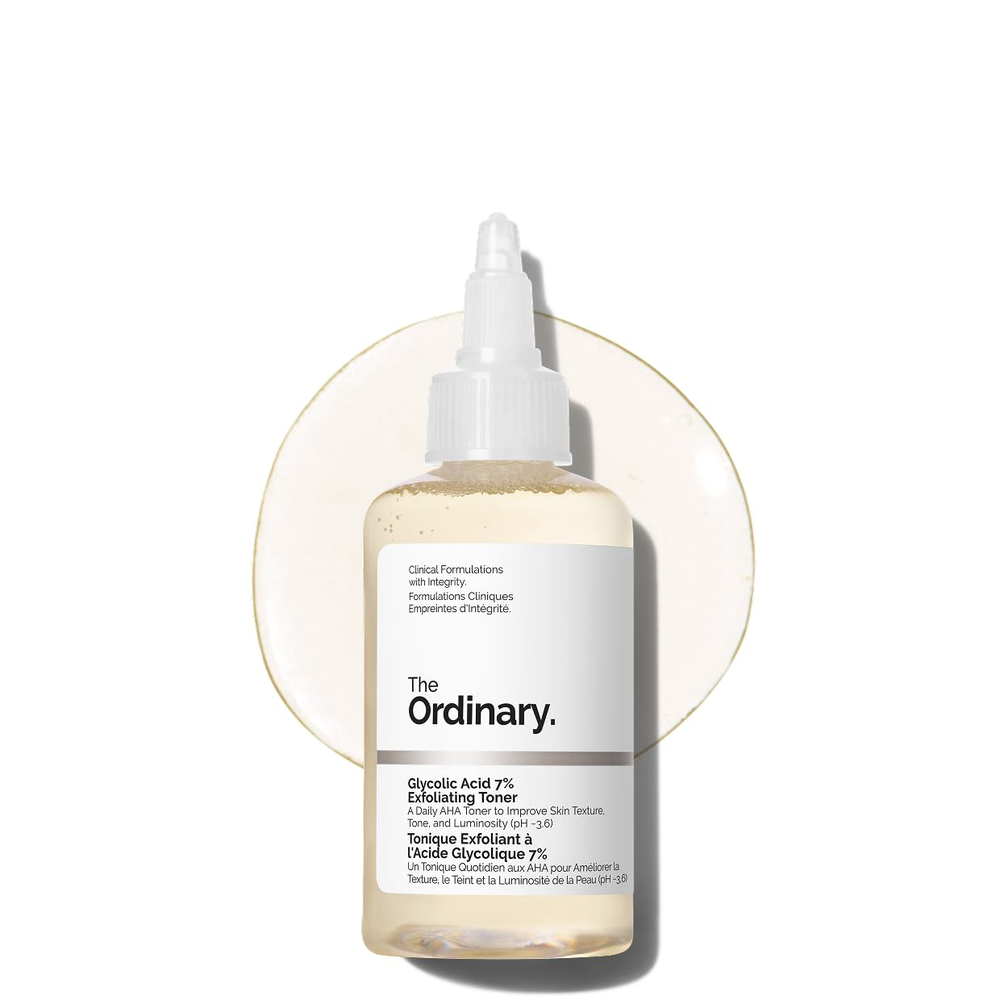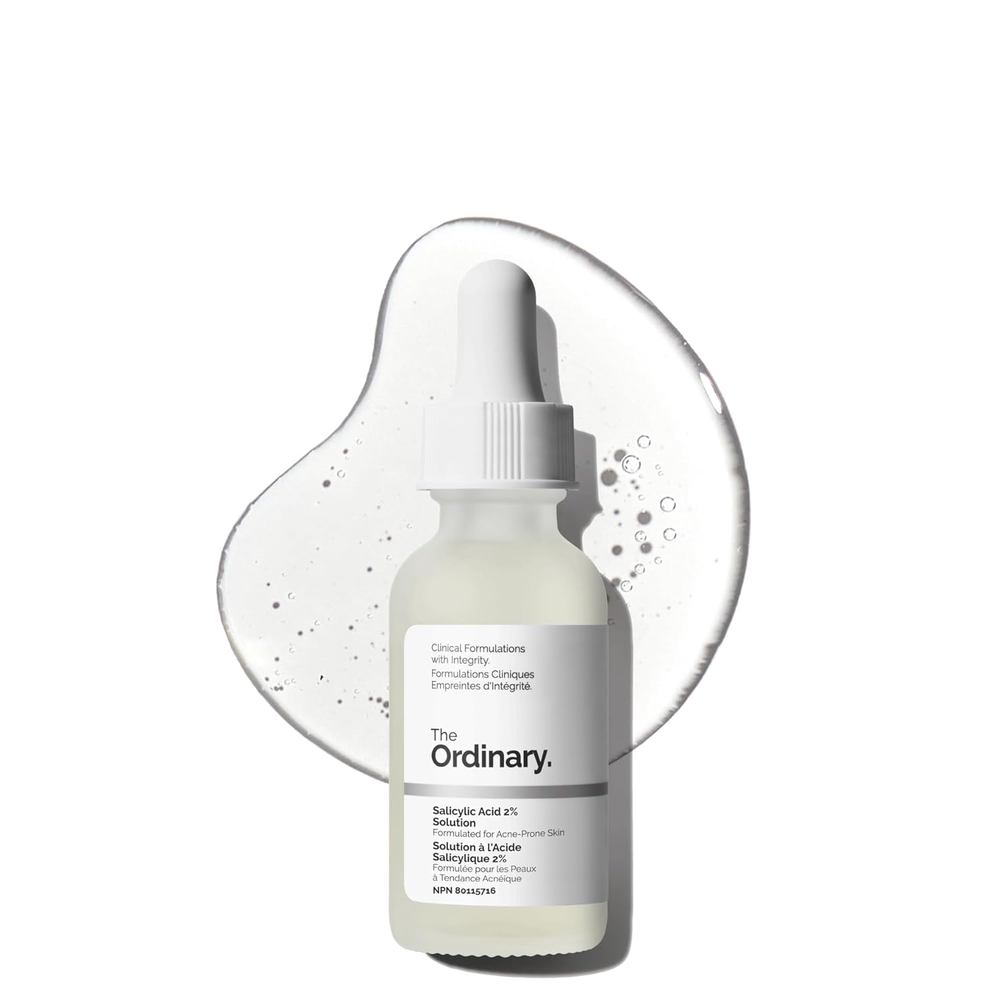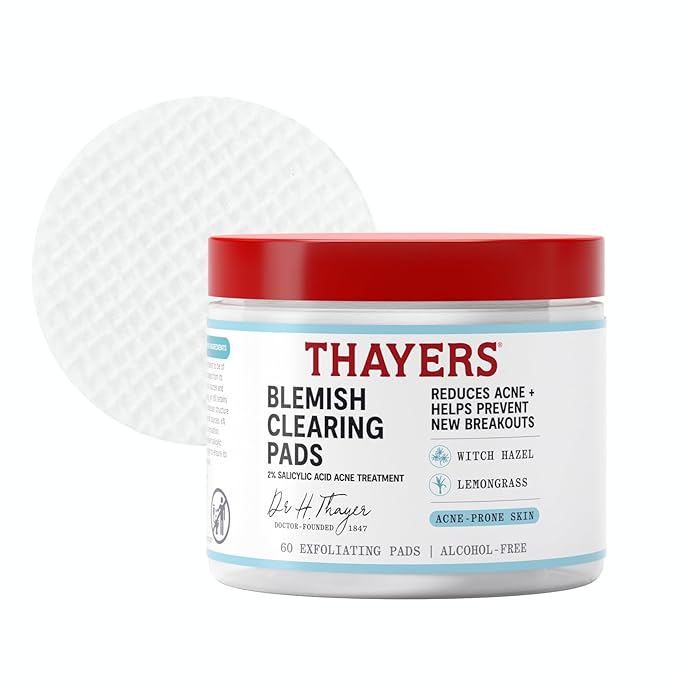

Combination skin can feel like a balancing act. You might deal with shine and visible pores in the T-zone while your cheeks feel tight or dry. Exfoliating this skin type without causing irritation or making breakouts worse takes a thoughtful approach.
Dermatologists emphasize that the goal isn't to strip the skin, but to gently encourage cell turnover in the oilier areas without compromising the moisture barrier in drier zones. Here’s what the experts recommend for exfoliating combination skin safely.
Why combination skin needs a different exfoliation plan
Combination skin has two distinct personalities. The oily areas, typically the forehead, nose, and chin, produce more sebum, which can clog pores and make them look larger. The dry areas, usually the cheeks, have a thinner barrier that can easily become red or irritated if over-treated.
A one-size-fits-all exfoliant can lead to trouble. Harsh scrubs may clear the T-zone but leave the cheeks raw. Gentle chemical exfoliants that work well for dry skin might not be strong enough to keep the nose clear. The trick is to match the method to the area.
Chemical exfoliants: The safer starting point
Dermatologists often recommend chemical exfoliants over physical scrubs for combination skin. Physical scrubs—like those with crushed walnut shells or sugar—can create micro-tears in dry areas and may be too harsh for sensitive patches.
Lactic acid is a gentle alpha-hydroxy acid (AHA) that exfoliates while also providing some hydration. It works well for the drier parts of the face. Salicylic acid, a beta-hydroxy acid (BHA), is oil-soluble and can penetrate pores to break down excess sebum and dead skin cells. It is the go-to for the T-zone and areas prone to congestion.
A common expert strategy is to choose a product with a low concentration of both acids, or to use a BHA toner on oily zones only and a softer AHA over the full face once or twice a week.
Frequency matters
Over-exfoliation is a real risk for combination skin. Most dermatologists suggest starting with exfoliation once a week and increasing to two or three times per week only if the skin tolerates it without redness or flaking. The dry areas will often signal when you have gone too far—if they feel tight or look shiny in an irritated way, it is time to take a break.
Physical exfoliation: Use with care
If you prefer a manual method, choose a very soft, finely milled scrub or a silicone cleansing brush. Do not use rough granules or a stiff brush on the cheeks. Some derms recommend using a gentle physical exfoliant only on the nose and chin, avoiding the cheek area entirely.
A common expert tip: If your scrub feels gritty when you rub it between your fingers, it is too harsh for dry areas.
Build a simple routine
Exfoliation is just one step. To keep combination skin balanced, dermatologists suggest this structure on exfoliation days:
- Cleanse with a gentle, sulfate-free foam or gel cleanser that removes oil without stripping.
- Exfoliate using a targeted method—chemical on the T-zone, gentle or none on the cheeks.
- Hydrate with a lightweight, oil-free moisturizer over the entire face. Dry areas may need a slightly richer formula.
- Protect by applying a broad-spectrum sunscreen with at least SPF 30. Exfoliated skin is more vulnerable to UV damage.
What to avoid
Dermatologists advise skipping the following for combination skin:
- Alcohol-based toners that can strip the T-zone and increase oil production while drying out the cheeks.
- Multiple active ingredients at once, such as combining a retinoid, a chemical peel, and a strong scrub in the same routine.
- Frequent physical scrubs that can inflame acne-prone areas and damage dry skin simultaneously.
The key is to listen to your skin. Your T-zone may handle a salicylic acid pad every other day, but your cheeks might need only a weekly lactic acid treatment. Adapting your exfoliation method to each zone is the safest, most effective way to achieve a smooth, even complexion.