
When your scalp feels irritated, tight, or itchy, it's easy to worry about what it means for your hair. A sensitive scalp often goes hand-in-hand with shedding or thinning, but the good news is that the right approach can soothe discomfort and support healthier regrowth. Dermatologists focus on calming inflammation first, because when the scalp is stressed, hair follicles struggle to produce strong strands. Here is what experts recommend for quieting a reactive scalp and protecting your hair density.
Why scalp sensitivity leads to thinning
Think of your scalp as the soil for your hair. If the soil is inflamed, dry, or imbalanced, the roots can't thrive. Chronic sensitivity — whether from product buildup, environmental irritants, or underlying conditions like seborrheic dermatitis — creates a hostile environment for follicles. This can push hair into a resting or shedding phase prematurely. Addressing the sensitivity is step one; you can't build thicker hair on an unhappy scalp.
Gentle cleansing is the foundation
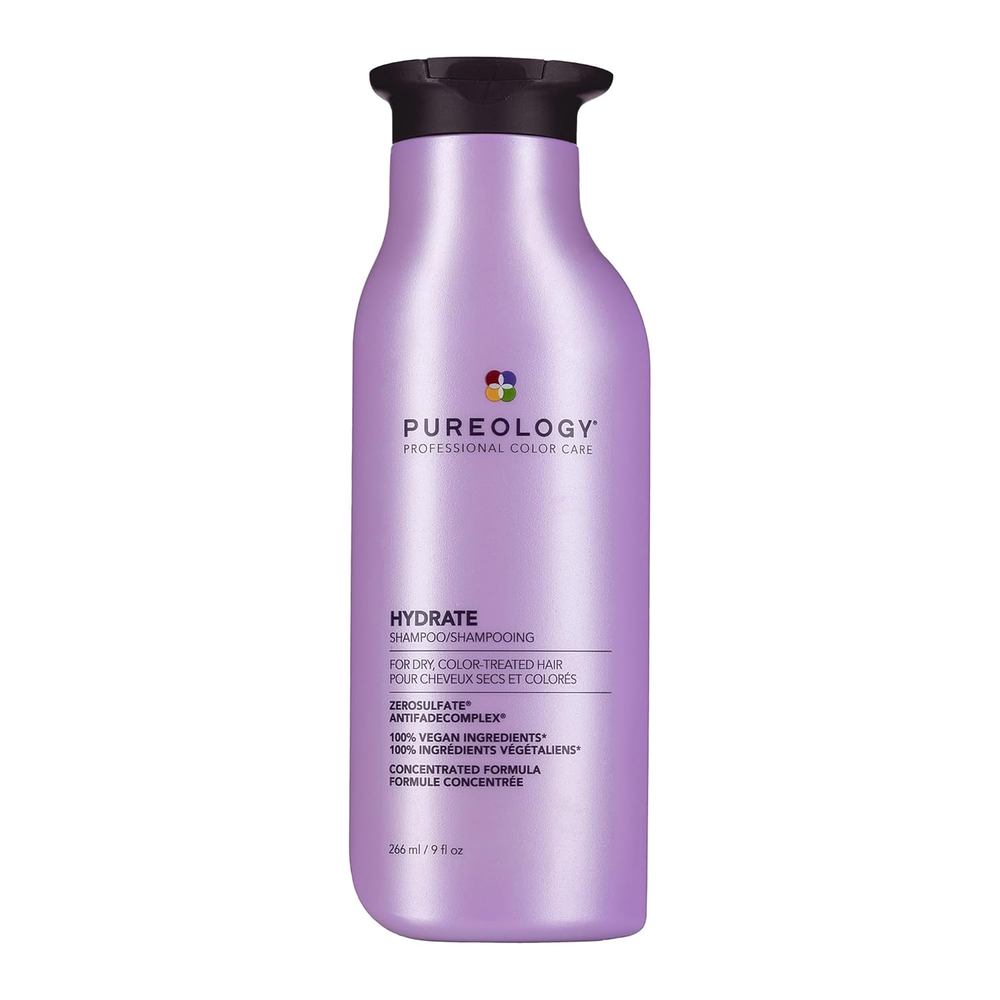
Many people with sensitive scalps overwash or underwash, often using harsh surfactants that strip natural oils. Dermatologists recommend a sulfate-free, pH-balanced shampoo formulated for sensitive skin. Look for ingredients like aloe vera, oat extract, or glycerin, which hydrate without irritation. Washing frequency matters too: for most, every other day is enough to remove sweat and oil without drying out the scalp. Avoid scrubbing with nails—use your fingertips in small circular motions to stimulate circulation without causing micro-tears.
When to consider a medicated shampoo
If your scalp is persistently red, flaky, or itchy, a dermatologist may suggest a shampoo with zinc pyrithione, ketoconazole, or salicylic acid. These ingredients target fungal overgrowth or excess oil that fuels inflammation. Start with twice a week and alternate with your gentle cleanser. Never use medicated formulas daily unless directed, as they can be too drying for long-term use.
Ingredients that calm and support follicles
Beyond basic cleansing, certain ingredients can directly soothe irritation and create a better environment for hair growth. Here are the ones dermatologists point to most often:
- Niacinamide (vitamin B3): Reduces redness and strengthens the skin barrier. It also boosts microcirculation, helping nutrients reach hair follicles.
- Caffeine: Applied topically, it can stimulate follicle activity and reduce the effect of DHT, a hormone linked to thinning. Look for serums or leave-in treatments.
- Green tea extract: Rich in antioxidants, it fights oxidative stress on the scalp. Its anti-inflammatory properties help calm sensitivity without stripping.
- Ceramides and peptides: These support the scalp's moisture barrier and signal follicles to stay in the growth phase longer.
A simple DIY rinse for soothing
A gentle rinse can complement your routine. An apple cider vinegar and green tea rinse offers anti-inflammatory and pH-restoring benefits without being harsh. Here's a dermatologist-friendly way to make it at home:
Ingredients: 2 green tea bags, 1 cup hot water, ½ tablespoon raw apple cider vinegar. Let the tea steep for 5–10 minutes, then stir in the vinegar. Allow to cool completely before applying.
How to use: After shampooing, pour the rinse over your scalp, massaging gently. Leave it on for 2–3 minutes, then rinse with cool water. Use once a week—not more—to avoid over-acidifying the scalp. The green tea provides calming polyphenols, while the vinegar restores a healthy pH balance that discourages flaking and irritation.
Always dilute apple cider vinegar; direct application can burn or irritate. And if you have open sores or severe inflammation, skip DIY rinses and see a dermatologist first.
Lifestyle habits that protect scalp health
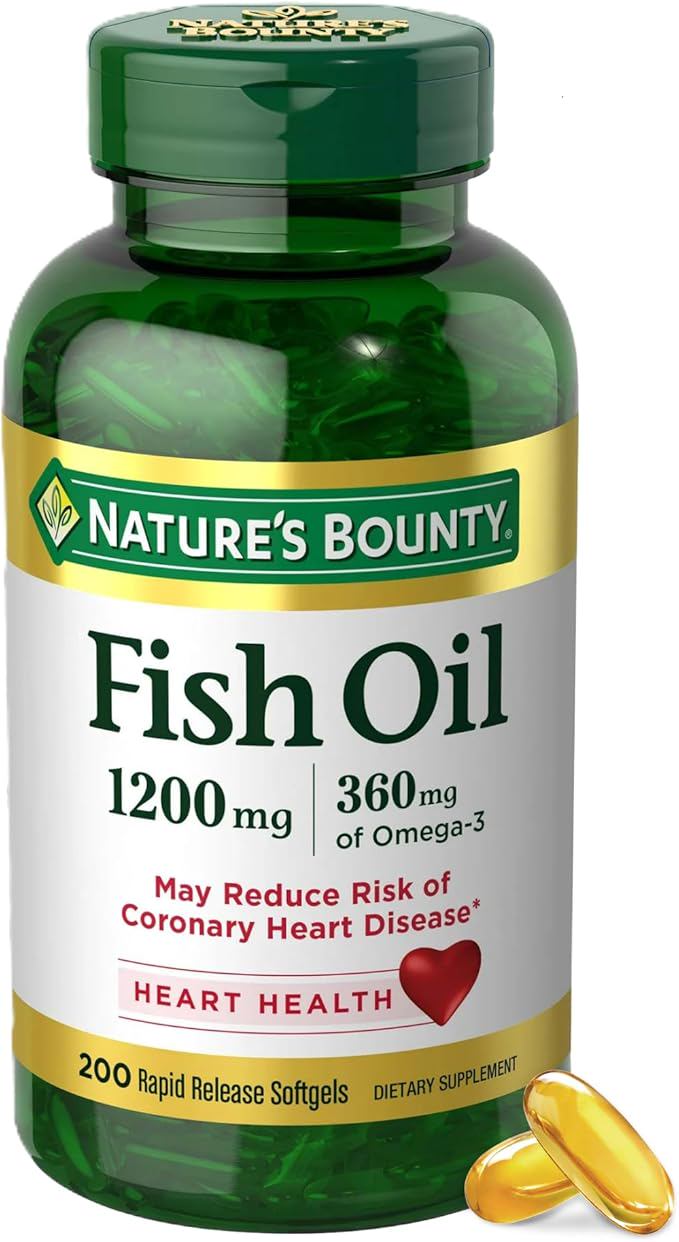
What you do outside the shower matters just as much. Stress hormones like cortisol can ramp up scalp inflammation, so even short daily stress-relief practices — breathing exercises, a walk — help keep the scalp calm. Diet also plays a role: omega-3 fatty acids (found in fish, flaxseed, and walnuts) support the skin's barrier, while zinc and iron deficiencies have been linked to thinning and sensitivity. Stay hydrated too; dehydration can dry out the scalp and worsen itching.
And be mindful of heat styling and tight hairstyles. High heat parches the scalp and hair, while ponytails or buns that pull at the roots can cause traction thinning. Let your hair air-dry when possible, and choose loose styles that don't tug.
When to see a professional
If you notice a change in your part width, a widening hairline, or clusters of small, flaky patches that itch intensely, it's time to see a dermatologist. They can check for conditions like scalp psoriasis, fungal infections, or early-stage androgenetic alopecia, which look different on a sensitive scalp. A professional can also perform a trichoscopy to see what's happening at the follicle level and prescribe topical treatments if needed—like low-dose corticosteroids for inflammation or minoxidil for thinning. Prescription treatments are only recommended after a full evaluation.
The bottom line: a calm scalp supports stronger, healthier hair. By choosing gentle products, incorporating soothing ingredients, and reducing lifestyle triggers, you can address sensitivity and thinning without guesswork. It takes consistency, but your scalp will thank you.