The morning is often when skin is most receptive—and most vulnerable. After a night of repair, the skin barrier is ready to accept protective ingredients, but it also faces UV rays, pollution, and the general wear of the day ahead. A morning routine designed for protection doesn't need to be elaborate, but it does need to be intentional. Here is what dermatologists consistently recommend as the core of a skin-protecting morning routine.
Start with a Gentle, Non-Stripping Cleanse
Many people reach for a foaming or exfoliating cleanser first thing, but this can disrupt the acid mantle and strip natural oils. Dermatologists recommend a gentle, pH-balanced cleanser that removes overnight residue without leaving skin tight. For most skin types, a cream or gel cleanser without sulfates works best. If your skin feels dry or irritated after washing, that is a signal to switch to something milder.
Apply Antioxidants Before Sunscreen
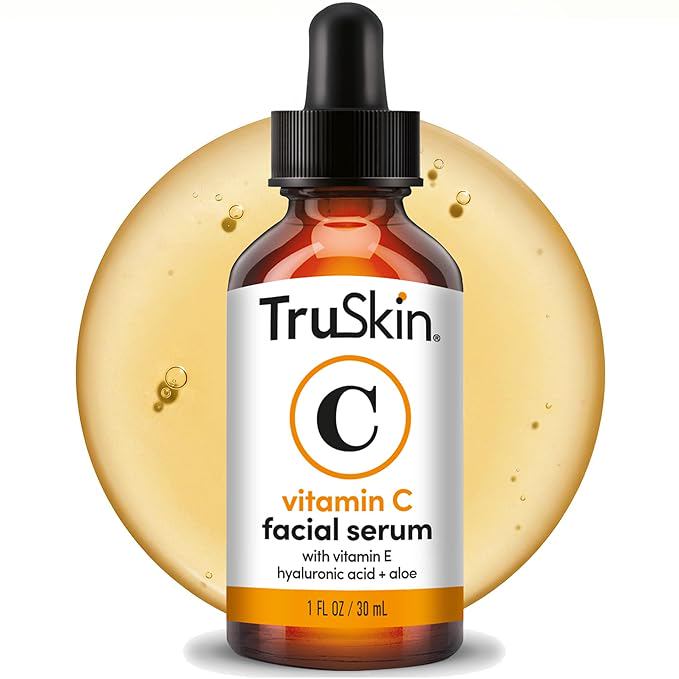
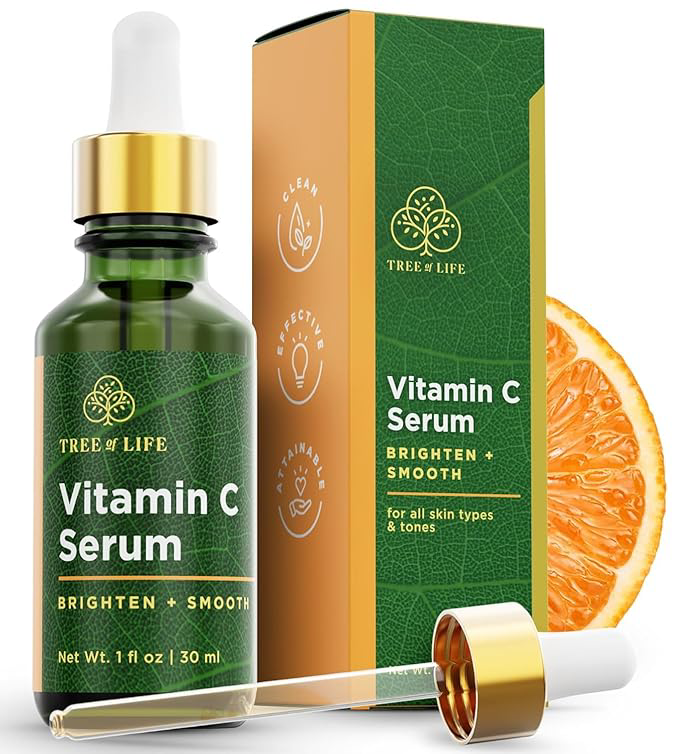
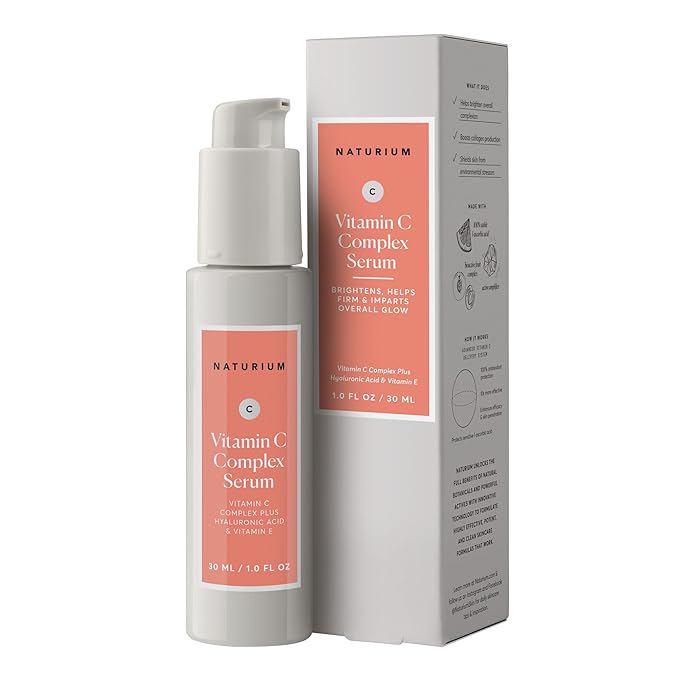
After cleansing, while the skin is still slightly damp, the next step is an antioxidant serum—most often vitamin C. L-ascorbic acid is the gold-standard form because it neutralizes free radicals from UV exposure and pollution and can boost the efficacy of sunscreen. Look for a product in an opaque, air-tight bottle to keep it stable. A few drops patted onto the face and neck are sufficient. If your skin reacts to pure vitamin C, ferulic acid or vitamin E can be effective alternatives that are often better tolerated.
A quick tip: Wait about 30 to 60 seconds after applying serum before moving to moisturizer. This allows the active ingredients to absorb fully without being diluted.
Moisturize to Strengthen the Barrier
Moisturizer in the morning serves a dual purpose: it hydrates the skin and reinforces the barrier against environmental stressors. Look for a lightweight, non-comedogenic formula that contains ceramides, niacinamide, or glycerin. These ingredients help hold water in the skin and prevent transepidermal water loss throughout the day. Even people with oily skin benefit from a light moisturizer—skipping it can cause the skin to overproduce sebum later.
Always, Always Apply Sunscreen
This is the non-negotiable step. Dermatologists agree that broad-spectrum sunscreen with SPF 30 or higher is the most effective tool for preventing photoaging, hyperpigmentation, and skin cancer. Sunscreen should be applied as the last step of the morning routine, before makeup. Mineral sunscreens (zinc oxide, titanium dioxide) are often recommended for sensitive skin, while chemical sunscreens tend to be cosmetically elegant and absorb quickly. Regardless of the type, it is essential to use enough—about a nickel-sized amount for the face and a separate glob for the neck.
How to reapply
If you spend significant time outdoors or near windows, reapplication is key. Sunscreen lasts about two hours of sun exposure. For days when you are mostly indoors, one application in the morning is often sufficient, but touching up with a setting spray or powder SPF can help if you are driving or sitting near a bright window.
Layer in Targeted Treatments If Needed
For those with specific concerns like acne, rosacea, or hyperpigmentation, a targeted serum can be added after the antioxidant but before moisturizer. Niacinamide, azelaic acid, and peptides are all dermatologist favorites for morning use because they are generally well-tolerated and non-photosensitizing. Avoid strong exfoliants like glycolic acid or retinol in the morning—those are better suited for the evening when they can work without interference from UV light.
Watch Your Order: Thin to Thick
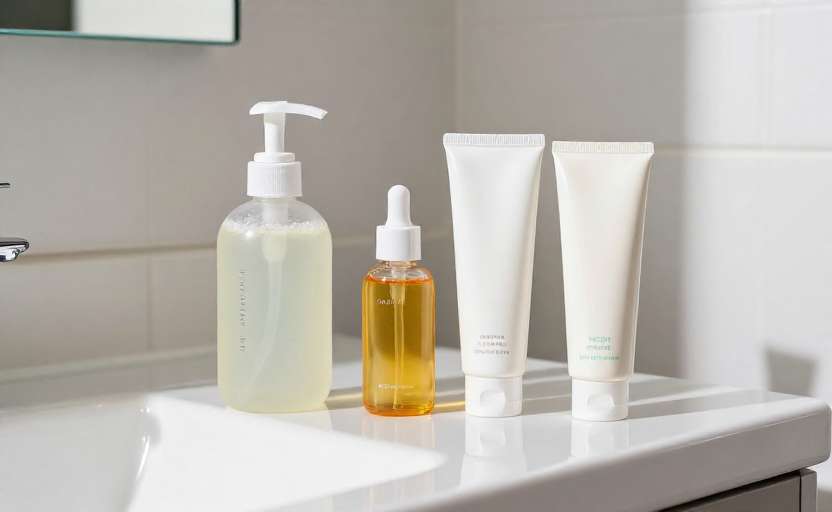
A simple rule that dermatologists often cite is to apply products from thinnest to thickest consistency. This ensures each layer can penetrate without being blocked by a heavier product. The typical order is: cleanser, serum, moisturizer, sunscreen. If you use an eye cream, pat it on after serum and before moisturizer. Staying consistent with this order helps maximize the efficacy of each product.
Don't Forget the Neck, Chest, and Hands
The skin on the neck, chest, and hands is thinner and often overlooked. These areas show signs of aging and sun damage just as early as the face. Extend your morning routine—especially sunscreen and moisturizer—down the neck and onto the decolletage. A dab of moisturizer on the back of the hands is a small habit that pays off over time.
Make It Simple So You Stick With It
Dermatologists emphasize that the best routine is the one you can do every day. A complex, multi-step regimen is not sustainable for most people. A workable morning routine can be as simple as three steps: cleanse, moisturize, protect. If you can add an antioxidant serum, that is a valuable bonus, but it is not required to see meaningful protection. Consistency matters far more than the number of products.
Building a skin-protecting morning routine does not require expensive products or endless steps. The core pillars—gentle cleansing, antioxidant support, adequate hydration, and diligent sunscreen—offer a solid foundation that dermatologists stand behind. Start with these basics, then add targeted treatments only if your skin needs them and your routine can accommodate them without becoming a chore.