Your skin is a reflection of what you put on your plate. While topical creams and serums can help, dermatologists increasingly point to diet as a foundational step for managing inflammation and improving skin health. The goal isn't a perfect diet—it's about consistently choosing foods that support your body's repair systems and calm flare-ups.
Here's what skin experts typically recommend adding to your routine for a noticeable difference in your skin's clarity and resilience.
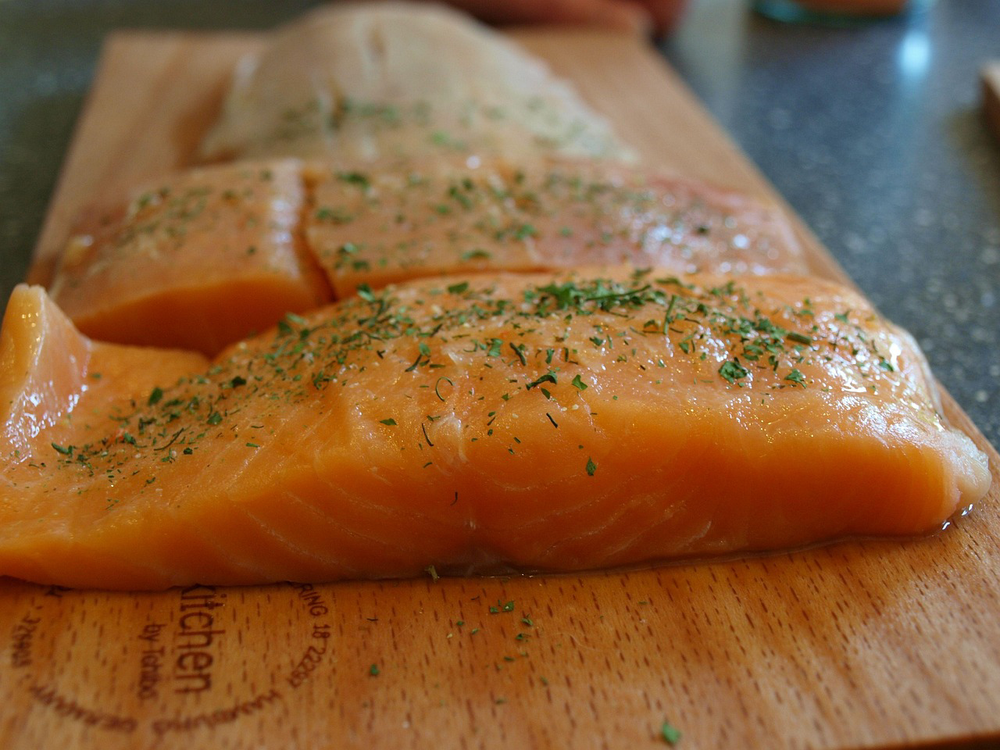
Fatty Fish for Omega-3s
Salmon, mackerel, and sardines are rich in omega-3 fatty acids, particularly EPA and DHA. These fats help regulate your skin's oil production, keep it hydrated, and reduce the production of inflammatory compounds that can trigger acne or redness. Studies suggest that a diet lacking in omega-3s may contribute to dry, irritated skin and a higher risk of conditions like psoriasis. Aim for two servings of fatty fish per week as a general wellness practice, unless your doctor advises otherwise.
Colorful Fruits and Vegetables
The pigments that give produce its color—beta-carotene in carrots, lycopene in tomatoes, and lutein in leafy greens—are powerful antioxidants. These compounds neutralize free radicals caused by UV exposure and pollution, which are major drivers of premature aging and inflammation. One 2015 study observed that people who ate more fruits and vegetables had fewer wrinkles. Think of vegetables as a daily shield for your skin cells.
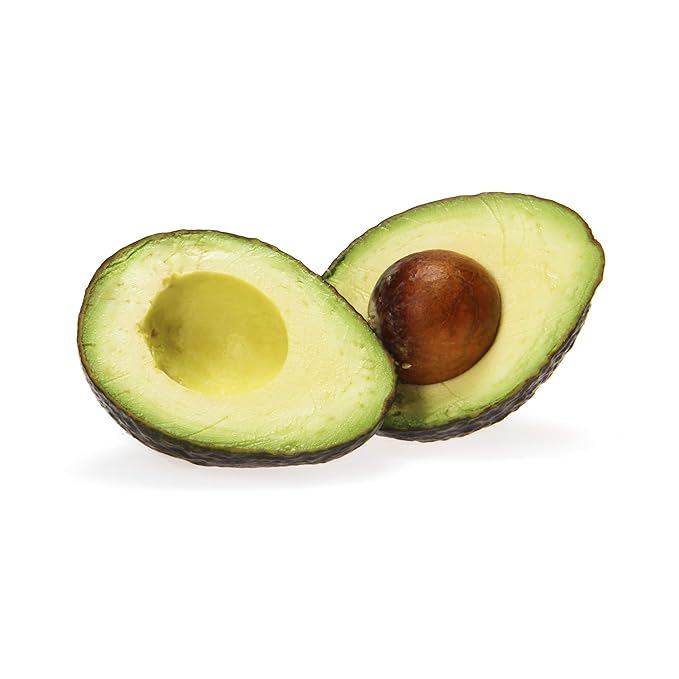
Avocados and Healthy Fats
Avocados are not just trendy; they are packed with monounsaturated fats and vitamin E. Healthy fats help your skin maintain its lipid barrier, which keeps moisture in and irritants out. Vitamin E is a fat-soluble antioxidant that protects skin from oxidative damage.
Adding a quarter of an avocado to a salad or smoothie is a simple way to support skin suppleness and reduce inflammatory markers over time.
Green Tea
For a drink that supports skin health, green tea is a top recommendation. Its catechins, especially epigallocatechin gallate (EGCG), are potent anti-inflammatory compounds. Some dermatologists note that drinking green tea may help reduce redness and swelling in conditions like rosacea or acne, and it may also protect skin from sun damage (though it's no substitute for sunscreen). Aim for unsweetened, brewed green tea—iced or hot—rather than bottled versions that often contain added sugar.
Nuts and Seeds
Walnuts, flaxseeds, and chia seeds are excellent sources of omega-3s, zinc, and vitamin E. Zinc, in particular, is crucial for wound healing and controlling inflammation associated with acne. A small handful of walnuts or a tablespoon of ground flaxseed each day can contribute to a healthier inflammatory response. Stay consistent, but don't overdo it—a little goes a long way.
Fermented Foods for the Gut-Skin Axis
The connection between gut health and skin is well documented. Fermented foods like yogurt, kefir, kimchi, and sauerkraut introduce beneficial probiotics that support a healthy gut microbiome. A balanced microbiome can reduce systemic inflammation that often manifests as breakouts, eczema flares, or general skin dullness. Incorporate a serving of fermented food into your daily routine to support this gut-skin relationship.
What to Limit
Dermatologists caution against foods that spike inflammation: sugary drinks, ultra-processed snacks, and excessive dairy for some people. High-glycemic foods can trigger insulin spikes that increase oil production and worsen acne. Pay attention to how your skin reacts after certain meals—redness, puffiness, or breakouts within a few hours can be a sign that food is contributing to inflammation. Replacing sugary drinks with water or unsweetened tea is one of the fastest changes you can make.
The bottom line: no single food is a cure-all, but a pattern of eating that emphasizes omega-3s, antioxidants, and healthy fats while limiting processed sugar will support your skin's structure and calm inflammation from the inside out.