If your scalp feels tight, itchy, or irritated after wash day, your curly hair routine may be the culprit. While many factors can trigger scalp discomfort—from product buildup to dry air—dermatologists point to one often-overlooked variable: pH balance. The good news is that a few targeted changes can help restore calm without sacrificing defined curls.
Below, we break down what dermatologists recommend adjusting in your routine, based on how the scalp and hair shaft react to different pH levels.
Why pH matters for your scalp and curls
pH is a scale that measures how acidic or alkaline a substance is, from 0 (most acidic) to 14 (most alkaline). A neutral pH is 7. Your scalp and hair have a natural, slightly acidic pH that ranges between 4.5 and 5.5. This mild acidity helps keep the scalp's microbiome balanced and the hair cuticles—the overlapping outer layer of each strand—smooth and closed.
When you apply products or water that are too alkaline (above 7), the cuticles lift and swell. This can lead to frizz, tangles, and moisture loss. It can also disrupt the scalp's protective acid mantle, leaving it vulnerable to dryness, flaking, and irritation. On the flip side, products that are too acidic can sometimes over-tighten the cuticle, making hair feel brittle.
For curly hair, which is naturally drier and more porous than straight hair, maintaining an optimal pH is especially important. A calm scalp starts with products that respect this delicate balance.
Product swaps that support scalp health
Choose pH-balanced cleansers and conditioners
Many standard shampoos have a pH of 7 or higher, which can strip natural oils and disturb the scalp's microbiome. Look for cleansers labeled as pH-balanced or low-poo, typically with a pH between 4.5 and 6.0. Conditioners are usually slightly acidic by design (around pH 4–5), which helps close the cuticle after washing. Stick to products that avoid high-pH sulfates and harsh detergents.
Reconsider your clarifying routine
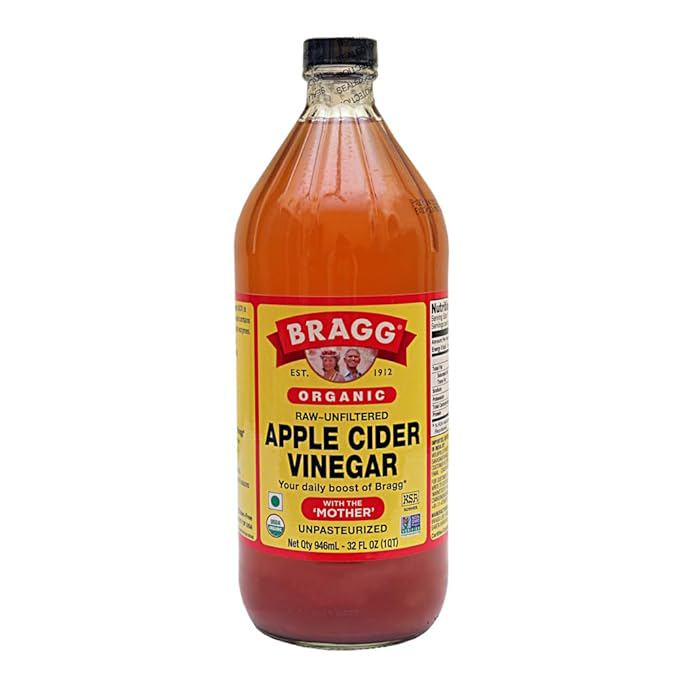
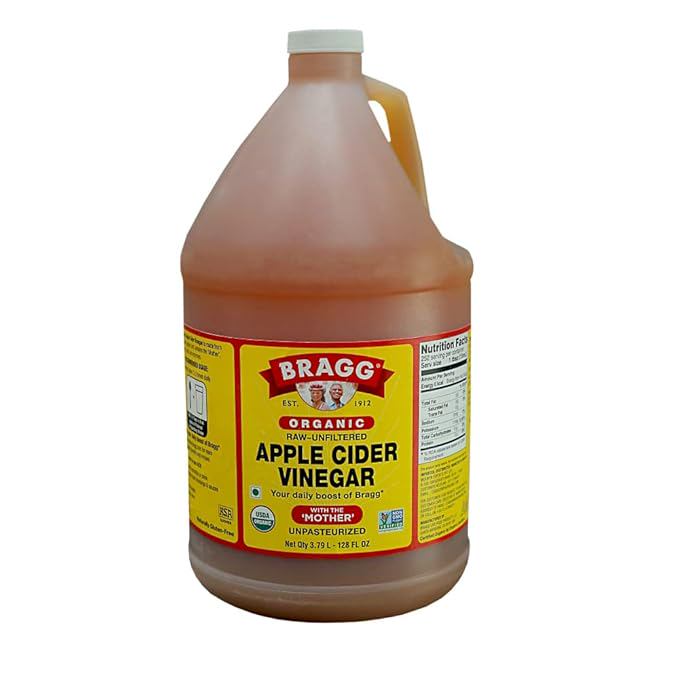
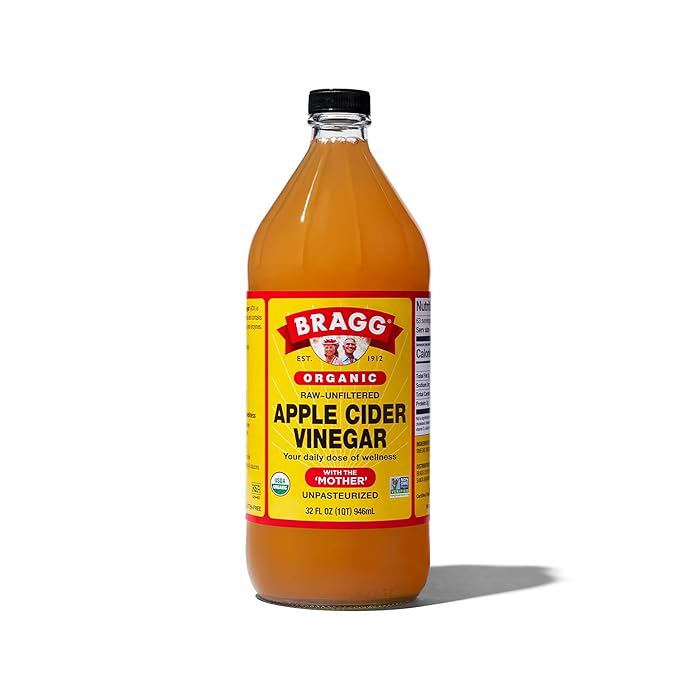
Deep clarifying or chelating shampoos are often quite alkaline (pH 8–9) to remove buildup. While they have their place, using them too frequently can throw off your scalp's pH. If you need to clarify, follow up immediately with an acidic rinse—like a diluted apple cider vinegar rinse (1–2 tablespoons per cup of water)—to restore a lower pH. Always patch-test first, as vinegar can be irritating for some.
Watch out for high-pH styling products
Gels, mousses, and curl creams can vary widely in pH. Some popular gels are formulated with a pH of 5–6 to help define curls without frizz, but others may be more alkaline. If your scalp reacts after applying a particular styler, check its pH (often listed online or on the label, or you can test with pH strips at home). Switching to a product with a pH closer to 4.5–5.5 can make a noticeable difference in scalp comfort.
Water temperature and rinsing habits
Plain water has a pH of 7—neutral but still more alkaline than your scalp prefers. Hard water, which is common in many regions, can be even more alkaline (pH 8–9) and leave mineral deposits that worsen irritation.
Dermatologists suggest these rinse modifications:
- Use lukewarm or cool water for the final rinse. Hot water can strip natural oils and raise the scalp's pH temporarily.
- Consider a final acidic rinse. After washing, a quick rinse with diluted apple cider vinegar or a few drops of lemon juice in water can help lower the pH back toward the scalp's natural range. (Rinse with plain water afterward if you have fine hair or a sensitive scalp.)
- Install a shower filter if you suspect hard water. While filters don't change pH drastically, they reduce mineral content that can interact with your products and create a harsh environment for the scalp.
How to check and adjust your routine
You don't need a lab to get started. Here's a simple approach dermatologists share with patients:
- Read labels. Many brands now list pH on the bottle. If not, look for terms like "pH balanced," "low-poo," or "for sensitive scalps."
- Test at home. pH test strips are inexpensive. You can dip a strip into a small amount of product diluted with water (or directly into your rinse water) to see where it falls.
- Monitor your scalp. After each wash, note any tightness, itchiness, or flaking that appears within 24 hours. A product that leaves your scalp feeling calm and hydrated is likely pH-appropriate for you.
Beyond pH: other scalp-friendly adjustments
While pH is a key factor, it works alongside good habits. Keep your scalp clean without over-washing—usually 1–2 times per week for curly hair. Avoid heavy silicones that can trap debris against the scalp. And protect your curls with a satin or silk bonnet at night to reduce friction and moisture loss.
If scalp irritation persists despite these changes, a board-certified dermatologist can help identify underlying conditions like seborrheic dermatitis, psoriasis, or product allergy—and recommend targeted treatments.
Making small, pH-aware tweaks to your curly hair routine can go a long way toward a calmer, healthier scalp. Your curls will thank you, too.