
Finding a moisturizer that actually hydrates without triggering breakouts can feel like a frustrating guessing game. Many people with acne-prone or sensitive skin assume they have to choose between a dewy complexion and clear pores. According to board-certified dermatologists, that trade-off isn't necessary—if you know which ingredients to look for.
The key is focusing on non-comedogenic ingredients that support the skin barrier without adding excess oil or pore-clogging residue. Below, dermatologists break down the three powerhouse moisturizer ingredients that deliver lasting hydration while keeping pores clear.
Hyaluronic Acid: The Hydration Magnet
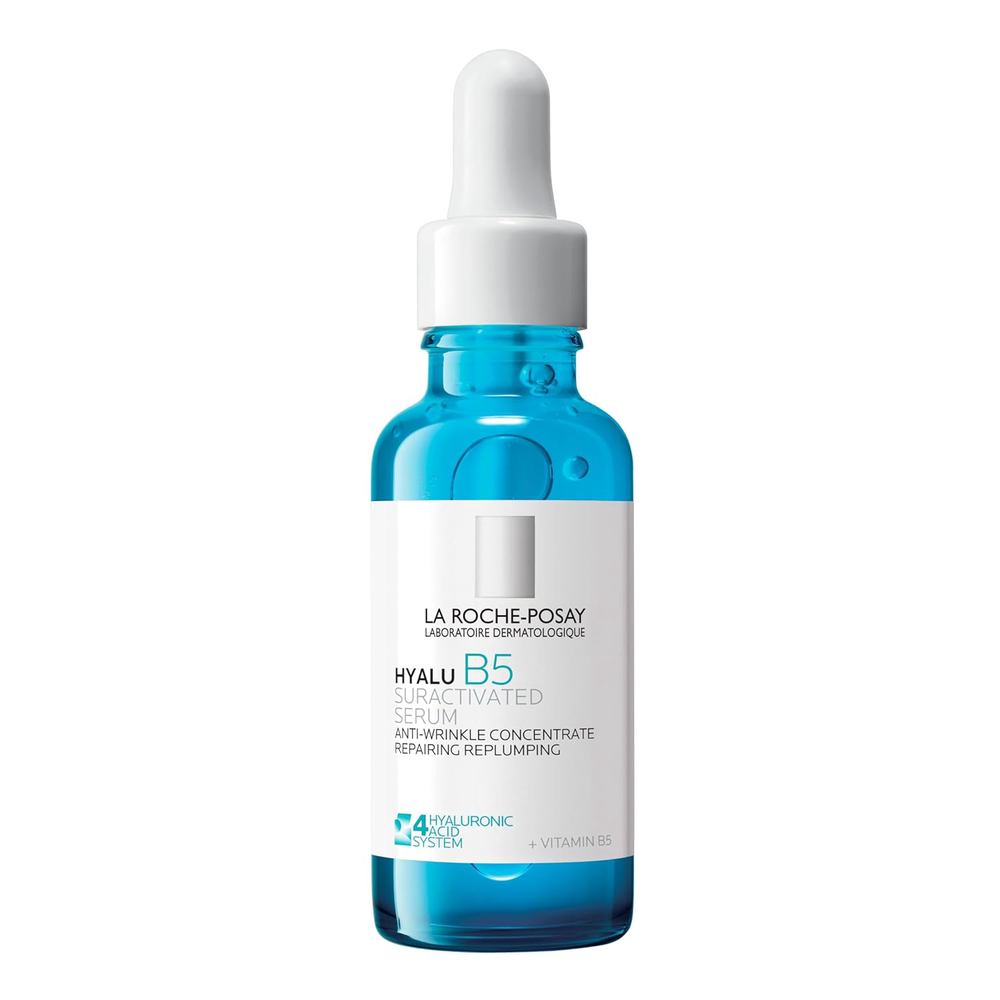
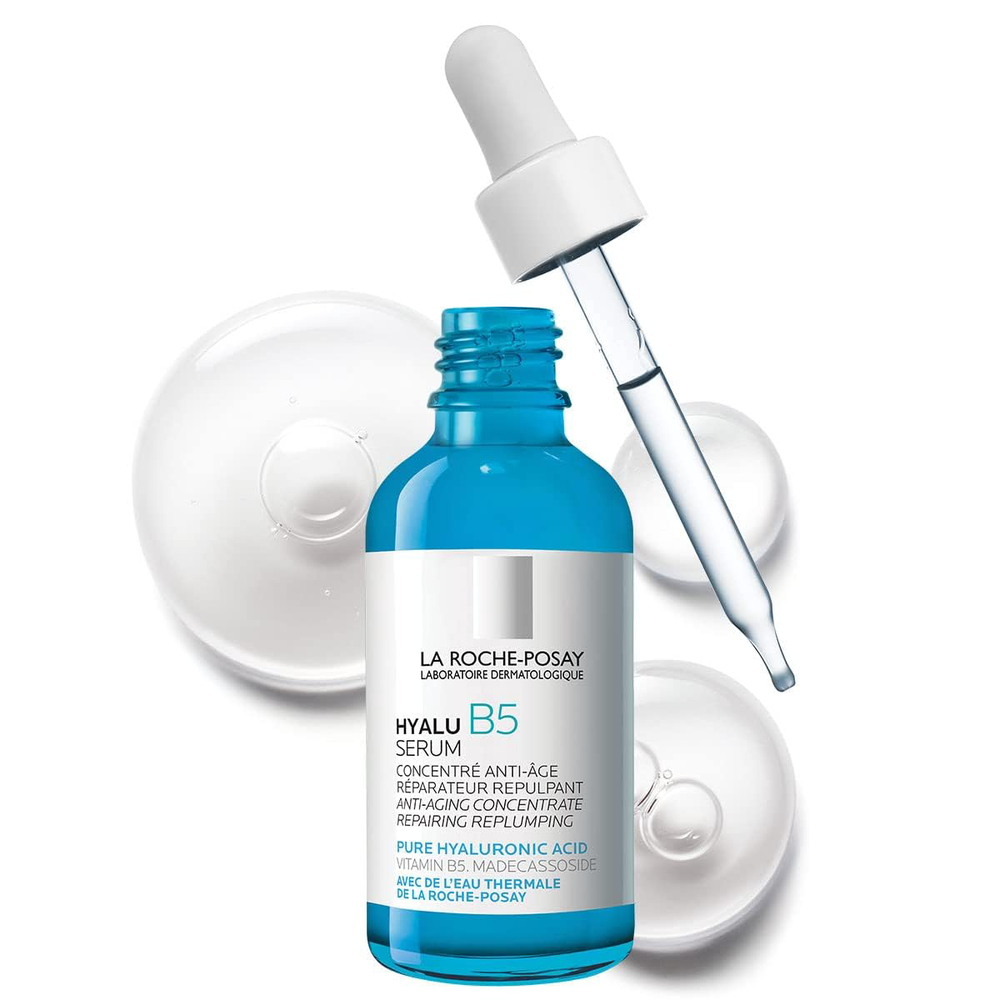
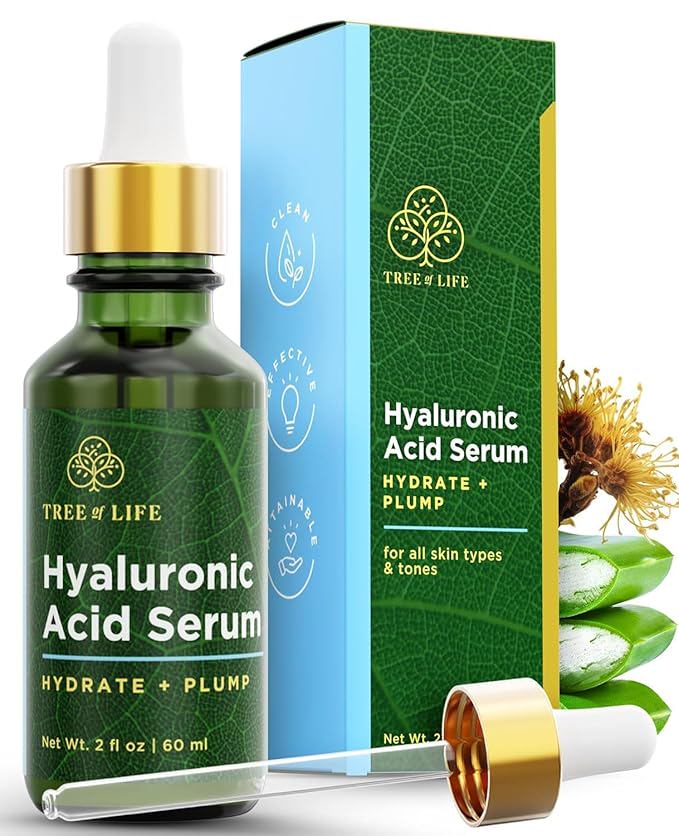
Hyaluronic acid is a naturally occurring molecule in the skin that acts like a sponge. It can hold up to 1,000 times its weight in water, drawing moisture from the environment into the skin's upper layers. Because it is a humectant—not an oil—it provides deep hydration without any greasy feel or risk of congestion.
Dr. Pankaj Chaturvedi, a consultant dermatologist, notes that serums or creams containing hyaluronic acid can enhance the water-holding capacity of the skin. This makes it especially effective for dehydrated skin, which lacks water rather than oil. Hyaluronic acid works well for all skin types, including oily and combination skin, because it hydrates without adding any occlusive or comedogenic ingredients.
When shopping for a moisturizer with hyaluronic acid, look for it listed near the top of the ingredient list. It pairs nicely with a simple water-based gel or lightweight lotion.
Glycerin: The Gentle, Universal Hydrator
Glycerin is another humectant that dermatologists frequently recommend for people who want hydration without breakouts. It is one of the most well-studied moisturizing ingredients and is considered non-comedogenic—meaning it won't clog pores.
Glycerin works by attracting water to the outer layer of the skin, improving barrier function and reducing transepidermal water loss. Unlike some heavier emollients or occlusives, glycerin has a very low molecular weight, so it penetrates easily without sitting on top of the skin. This makes it ideal for anyone prone to blackheads, whiteheads, or inflammatory acne.
You'll find glycerin in a wide range of products, from lightweight gels to cream cleansers. It is also very affordable, making it accessible for most budgets. Dermatologists often recommend it as a first-line moisturizing ingredient for sensitive or reactive skin.
Niacinamide (Vitamin B3): The Multitasker
Niacinamide, a form of vitamin B3, has become a staple in dermatology-recommended moisturizers for good reason. It helps strengthen the skin barrier, which is crucial for retaining moisture and protecting against environmental irritants. At the same time, niacinamide has anti-inflammatory properties that can help calm acne and reduce redness.
Multiple studies have shown that topical niacinamide can improve skin hydration while also regulating oil production. This dual action makes it particularly useful for people with combination skin—oily in some areas, dry in others. Unlike some active ingredients, niacinamide is generally well-tolerated and doesn't cause the dryness or peeling often associated with acne treatments.
Dermatologist Dr. Chaturvedi also points out that ingredients like niacinamide can support the skin's water-holding capacity. When formulated properly, niacinamide-based moisturizers offer a balance of hydration and oil control without feeling heavy or sticky.
How to Choose a Non-Comedogenic Moisturizer
Even if a product lists one or more of these ingredients, the overall formulation matters. Look for labels that say “non-comedogenic” or “oil-free”, especially if you have acne-prone skin. Avoid products with heavy oils like coconut oil, cocoa butter, or lanolin if you tend to break out.
For dehydrated skin, a water-based gel or lightweight lotion with hyaluronic acid or glycerin is often the best starting point. If your skin feels dry and tight—the hallmark of dry skin—you may need a slightly richer formula that still uses non-comedogenic ingredients. Oily skin can also be dehydrated, particularly from overusing harsh cleansers or acne treatments, so don't skip moisturizer even if your face feels greasy.
Quick tip: Apply moisturizer to slightly damp skin to lock in extra hydration without needing a heavy product.
Understanding the Difference Between Dry and Dehydrated Skin
It is worth noting that dry skin and dehydrated skin are two different conditions that require slightly different strategies. According to Dr. Chaturvedi, dry skin lacks oil (sebum), while dehydrated skin lacks water. Oily skin can still be dehydrated, he explains, especially if someone is using harsh, drying products that strip the moisture barrier.
To tell the difference, dermatologists suggest a simple pinch test: gently pinch a small area of your cheek. If the skin wrinkles easily and doesn't bounce back, it's likely dehydrated and needs more water-based hydration. If the skin appears flaky, rough, or red, it may be dry and benefit from a non-comedogenic oil-based moisturizer or plant oils like squalane or shea butter—but always patch test first to check for breakouts.
Final Thoughts from Dermatologists
You don't have to sacrifice hydration to avoid clogged pores. By choosing moisturizers with hyaluronic acid, glycerin, and niacinamide, you can keep your skin plump, comfortable, and clear. These ingredients have strong scientific backing and are recommended by dermatologists as safe, effective options for most skin types—including acne-prone, oily, and sensitive skin.
Remember, a glowing complexion starts with a healthy skin barrier, not a stripped one. Hydrate wisely, and your skin will thank you.