
If you or a loved one is living with heart failure, you may have noticed that the ankles, feet, or lower legs seem to be getting puffier. This swelling, known medically as peripheral edema, is a common and often concerning symptom. It is not simply a cosmetic issue or a sign that you drank too much water. It is a direct physical signal that the heart is struggling to pump blood efficiently.
Understanding what causes this swelling can help you manage it more effectively and know when to talk to your healthcare team. Let’s break down the mechanics in plain language, so you can feel more in control and less alarmed by what you are seeing.
The heart’s circulation problem: where the fluid comes from
Think of your heart as a central pump for a closed loop of pipes. Every time your heart beats, it pushes oxygen-rich blood out to your body through arteries. That blood travels through tiny capillaries, delivers oxygen to your tissues, and then returns to the heart through veins. In a healthy person, this return trip is smooth.
In heart failure, the heart is weakened or stiff. It cannot pump blood forward with enough force. Because the pump is sluggish, blood starts to back up in the veins, much like cars piling up behind a slow-moving accident on a highway. This congestion increases pressure inside the veins and capillaries.
A key point to remember: The swelling is not caused by drinking fluids. It is caused by fluid that is already inside your body leaking out of your blood vessels because they are under too much pressure.
When the pressure in the capillaries rises, fluid is pushed out of the bloodstream and into the surrounding tissues. Gravity then pulls this fluid downward, which is why the feet and ankles are usually the first place you notice the swelling. If you are lying in bed most of the day, the fluid may settle in the lower back or sacral area instead.
The role of the kidneys and fluid balance
Heart failure does not just affect blood flow. It also disrupts the delicate hormonal systems that regulate fluid volume. When the heart is not pumping effectively, the kidneys sense that there is not enough blood flowing to them. They respond by releasing hormones that tell the body to hold onto more sodium and water.
This mechanism was useful in ancient times when dehydration from injury was a real threat, but in heart failure, it backfires. The kidneys retain salt, and where salt goes, water follows. This extra fluid adds to the volume already backed up in the veins, making the swelling worse. Your body is essentially trying to fix a “low flow” problem by increasing its fluid reserve, but that only increases the workload on the already strained heart.
Common patterns and what the swelling actually looks like
Leg swelling in heart failure tends to be symmetrical. Both legs are usually affected to a similar degree. The skin may look stretched, shiny, or feel tight. When you press a finger into the swollen area for a few seconds, an indentation or “pit” often remains for a short time. This is called pitting edema.
The swelling may be mild in the morning and become noticeably worse by the end of the day. You might notice that your shoes feel too tight, your socks leave deep imprints, or you have difficulty bending your ankles. Unlike swelling from a sprain or injury, this edema is not accompanied by sharp pain or redness in a single spot, unless a complication has developed.
When leg swelling signals worsening heart failure
Not all swelling is cause for immediate alarm, but it is one of the most reliable early warning signs that your heart failure may be worsening. If you already have a diagnosis of heart failure, a sudden increase in leg swelling—or swelling that does not go down after elevating your legs overnight—should prompt a call to your doctor.
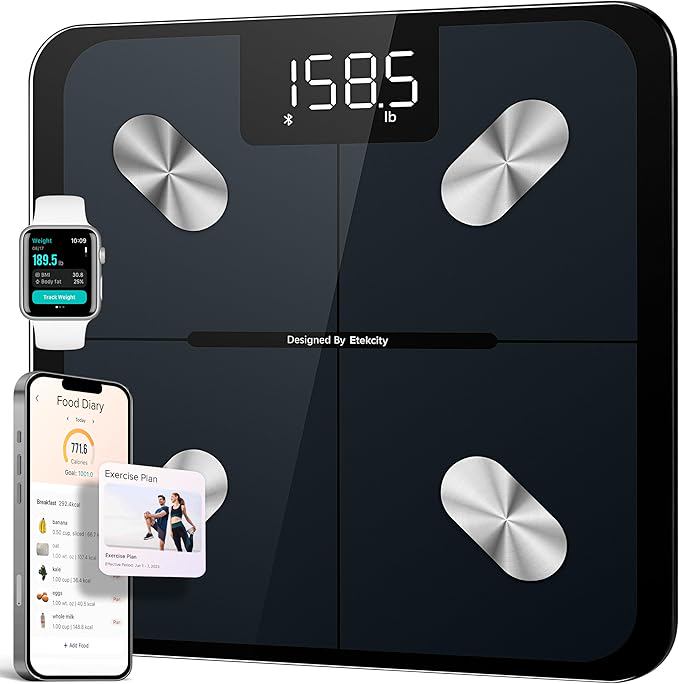
Learn to track your body weight daily. many doctors recommend weighing yourself every morning after urinating but before eating or drinking. A weight gain of 2 to 3 pounds in a day or 5 pounds in a week often means your body is retaining fluid, even if the swelling in your legs does not look dramatic yet. This daily weight check is one of the most powerful tools you have to detect trouble early and adjust your treatment, such as diuretic (water pill) dosing, under medical guidance.
Acting early can help you avoid a trip to the hospital for severe fluid overload, which can cause difficulty breathing as the fluid backs up into your lungs (pulmonary edema). If you notice shortness of breath, chest tightness, or a new cough with frothy sputum alongside leg swelling, seek emergency medical attention.
Factors that can make the swelling worse
Several lifestyle and medical factors can amplify the leg swelling you experience with heart failure. Being aware of these can help you manage the condition better:
- Sitting or standing for long periods: Lack of movement reduces the “muscle pump” that helps push fluid out of your legs and back toward your heart.
- High sodium intake: Salt acts like a sponge, holding water in your body. Most heart failure patients are advised to limit sodium to under 2,000 milligrams per day.
- Certain medications: Some blood pressure drugs (like calcium channel blockers) and anti-inflammatory medications (NSAIDs such as ibuprofen) can worsen retention.
- Hot weather: Heat causes blood vessels to expand (dilate), which can increase fluid leakage into tissues.
- Not taking diuretics as prescribed: Skipping doses or taking your water pills at the wrong time of day can lead to a gradual build-up of fluid.
Practical steps to reduce leg swelling at home
While you should always follow your specific care plan from your doctor, there are general strategies that can help manage this symptom:
Elevate your legs. When resting, try to keep your legs raised above the level of your heart if possible. This uses gravity to help drain fluid back into circulation. Even 15 to 20 minutes a few times a day can make a difference.
Stay active within your limits. Gentle walking and foot flexing exercises encourage blood flow. If you have very limited mobility, ankle pumps (moving your feet up and down) while seated can help.
Wear compression socks. Your doctor may recommend graduated compression stockings. These are not the same as regular tight socks; they are fitted by a professional and provide the most pressure at the ankle, gradually lessening up the leg. This physically prevents fluid from pooling in the lower leg.
Monitor your sodium carefully. The largest source of hidden sodium in most diets is processed and restaurant food, not the salt shaker. Reading labels and cooking at home are the most reliable ways to cut back.
This information is for educational purposes and does not replace your doctor’s advice. Always discuss changes in your symptoms or treatment plan with your healthcare provider.