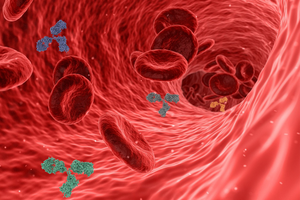
Arterial plaque is a silent, slow-building concern that often starts decades before any symptoms show up. The good news is that the same habits that boost overall cardiovascular health can directly influence plaque stabilization and progression. We turned to cardiologists to distill the research into five actionable strategies that go beyond generic advice.
Before diving in, a crucial distinction: managing plaque is not the same as rapidly dissolving it. What the evidence supports is halting further buildup, stabilizing existing deposits so they are less likely to rupture, and in some cases achieving modest regression. This is a long-game approach that relies on consistent lifestyle habits and, for many people, appropriate medication use under a doctor's guidance.
1. Lower LDL Cholesterol Below Consensus Targets
Low-density lipoprotein (LDL) cholesterol is the primary cargo carrier that deposits fats into artery walls. Cardiologists stress that for those with known plaque, the goal is not just average LDL levels—it is aggressive reduction. Research consistently shows that driving LDL below 70 mg/dL, and even below 55 mg/dL for high-risk individuals, can slow plaque progression and sometimes shrink it slightly over time.
How to get there:
- Shift dietary fats: replace saturated fats (red meat, full-fat dairy, coconut oil) with unsaturated fats from olive oil, avocados, nuts, and fatty fish.
- Increase soluble fiber—aim for 10–25 grams daily from oats, barley, beans, lentils, and psyllium husk. Soluble fiber binds cholesterol in the gut and removes it from the body.
- Work with your doctor: for many, a statin or other LDL-lowering medication is essential to reach these targets. This is not a failure of lifestyle—it is a recognition that genetics may require pharmaceutical support.
A key insight from cardiologists: “Patients often fixate on total cholesterol, but LDL-C is the specific metric we track for plaque management. Even if total cholesterol looks okay, elevated LDL (particularly small, dense LDL particles) can still drive plaque formation.”
2. Control Triglycerides and Refined Carbohydrate Intake
Triglycerides are often an afterthought in heart health conversations, yet elevated triglycerides are linked to more dense, unstable plaque. High triglycerides frequently result from excess sugar and refined carbohydrate intake, not just dietary fat.
Practical adjustments that matter:
- Cut sugary beverages—soda, sweetened coffees, and fruit juice—as they are the largest source of added sugar in the average diet.
- Reduce refined grains (white bread, white rice, pasta) and replace with intact whole grains like quinoa, farro, steel-cut oats, and brown rice.
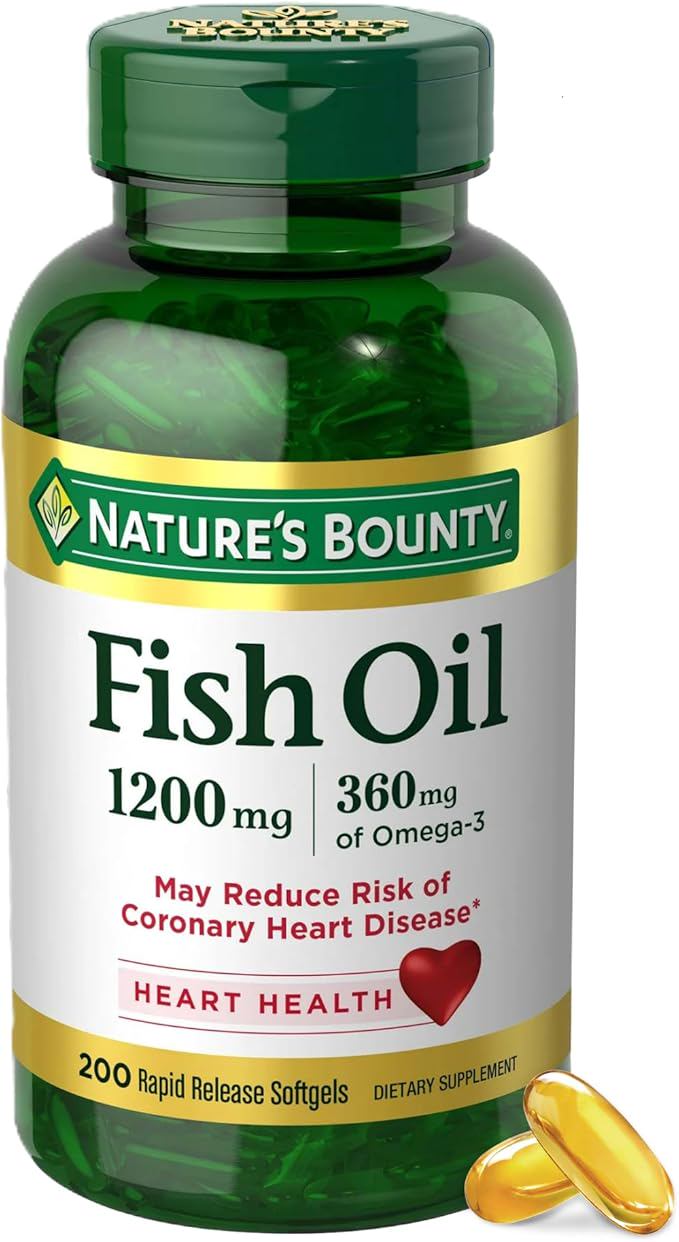
- Include omega-3 fatty acids from fatty fish (salmon, mackerel, sardines) twice weekly, or consider a fish oil supplement under a provider's recommendation. Omega-3s help lower triglycerides and reduce inflammation.
One 2019 meta-analysis of over 40 trials found that replacing 5% of energy from refined carbohydrates with unsaturated fats lowered triglycerides by an average of 10–15 mg/dL.
3. Keep Blood Pressure in the Optimal Range
Hypertension puts mechanical stress on artery walls, causing injury that accelerates plaque formation and makes existing plaque more prone to rupture. Every 10 mm Hg drop in systolic blood pressure reduces overall cardiovascular events by roughly 20–25% across large-scale studies.
Nonnegotiable strategies for blood pressure control:
- Reduce sodium to under 2,300 mg per day—ideally closer to 1,500 mg if you have hypertension. This means reading nutrition labels and cooking more meals from scratch.
- Increase potassium-rich foods (potatoes with skin, spinach, bananas, beans, yogurt) to counteract sodium's effect—unless you have kidney disease, in which case potassium intake must be monitored.
- Commit to regular aerobic exercise: 150 minutes per week of moderate activity (brisk walking, cycling, swimming) lowers systolic pressure by an average of 5–8 mm Hg.
- Limit alcohol to no more than one drink per day for women and two for men—excess alcohol raises both blood pressure and triglycerides.
4. Stabilize Plaque Through Anti-Inflammatory and Endothelial Support
Plaque becomes dangerous not because of its size, but because of its vulnerability. Unstable plaque with a thin fibrous cap and underlying inflammation is what leads to rupture and subsequent heart attacks. Cardiologists increasingly view plaque stabilization as a primary goal, sometimes more important than shrinkage alone.
Evidence-based ways to support plaque stability:
- Follow a Mediterranean-style dietary pattern rich in polyphenols (berries, dark leafy greens, extra-virgin olive oil, red grapes, walnuts). Polyphenols improve endothelial function and reduce oxidative stress.
- Manage chronic stress: persistent stress elevates cortisol and inflammatory cytokines that destabilize plaque. Mindfulness-based stress reduction and regular sleep schedules are directly linked to lower inflammatory biomarkers.
- Avoid smoking entirely—tobacco smoke damages the endothelium and directly accelerates plaque instability. Even one cigarette per day significantly increases cardiovascular risk.
What the research shows: A 2022 study in the Journal of the American College of Cardiology found that individuals following a Mediterranean diet with added nuts showed improved plaque composition, with less lipid core and more stable fibrous tissue visible on ultrasound imaging.
5. Understand the Role of Lipoprotein(a) and Targeted Testing
Lipoprotein(a) or Lp(a) is a genetic variant of LDL that is particularly sticky and pro-inflammatory. It is estimated that one in five people has elevated Lp(a), which contributes to early and aggressive plaque formation independent of standard cholesterol levels. Many cardiologists now recommend a one-time Lp(a) test for anyone with a family history of premature heart disease or unexplained plaque despite having normal LDL.
If your Lp(a) is elevated:
- Standard lifestyle changes like diet and exercise have minimal effect on Lp(a) levels themselves—but they reduce overall risk burden by improving other factors like LDL, blood pressure, and inflammation.
- Keep LDL and ApoB levels very low—this offsets some of the plaque risk posed by high Lp(a).
- New therapies specifically targeting Lp(a) (including antisense oligonucleotides) are in late-stage clinical trials—discuss with your cardiologist whether you are a candidate for future treatment.
Plaque management is a cumulative process. Each of these five strategies addresses a distinct mechanism—lipid deposition, mechanical injury, inflammation, or genetic predisposition. None works in isolation, but together they create a framework that is strongly supported by interventional cardiology research and real-world patient outcomes.
Always consult with a board-certified cardiologist before making significant changes to your medication or lifestyle regimen, especially if you have existing cardiovascular disease or are at high risk.