
Living with atrial fibrillation (AFib) often feels like learning a new language — one where your heart suddenly speaks in flutters, skips, or races. You diligently take your medications, avoid your triggers, and show up for every appointment. Yet sometimes, despite your best efforts, the irregular rhythm returns, or symptoms flare up. When that happens, it is rarely because the condition is uncontrollable. More often, it comes down to two common but subtle mistakes that people make when managing atrial fibrillation.
The good news is that these mistakes are fixable. By understanding where the typical roadblocks lie, you can take concrete steps to stabilize your heart health and regain a sense of control.
Mistake #1: Treating symptoms instead of the underlying condition
One of the most natural instincts when you have AFib is to focus on how you feel. If your heart is pounding, you rest. If you feel dizzy, you sit down. If you notice palpitations, you check your pulse. This symptom-chasing approach is understandable — but it can also be dangerously incomplete.
Atrial fibrillation does not always shout. Many people experience "silent AFib," where the electrical chaos in the upper chambers of the heart does not produce noticeable fluttering or chest discomfort. You might only feel vaguely tired, or notice nothing at all. In the meantime, blood can pool in the atria, increasing the risk of clot formation and stroke.
The first mistake is assuming that because you feel fine, your heart is fine. This leads to skipped doses of anticoagulants (blood thinners), or delaying a checkup because "nothing seems wrong." The reality is that AFib management is not about symptom relief alone — it is about preventing long-term complications, especially stroke and heart failure.
What to do instead
Shift your focus from "how do I feel right now?" to "what is my heart doing right now?" If your doctor has prescribed a heart rate or rhythm monitor (like a Holter monitor or a KardiaMobile device), use it consistently, even on days you feel normal. Log your readings. Bring the data to your appointments rather than relying on memory. Trust your medication plan, especially blood thinners, even when you are asymptomatic.
Think of your AFib management like tending a garden — you do not only water the plants when they look wilted; you water them on a schedule because you understand the roots need it. Consistency prevents the wilt.
Mistake #2: Over-correcting lifestyle changes without professional guidance
Motivation is a powerful force. After a diagnosis, many people swing into action with radical dietary overhauls, intensive exercise programs, or aggressive supplement regimens. While the intent is admirable, this second common mistake often backfires.
AFib is highly sensitive to electrolyte balance, hydration, and autonomic nervous system tone. A sudden switch to a very low-carb diet, for instance, can deplete magnesium and potassium, both of which are critical for stable heart rhythms. Starting a high-intensity interval training program without gradual conditioning can flood the system with stress hormones that trigger an episode. Likewise, over-the-counter supplements like high-dose caffeine, taurine-containing energy pills, or certain herbal stimulants can directly provoke arrhythmias.
The heart does not respond well to extremes. Pushing too hard, too fast, or without medical oversight can send your rhythm into a tailspin.
What to do instead
Work on lifestyle changes with your healthcare team, not independently. Before overhauling your diet, ask your cardiologist or a dietitian about electrolyte-friendly eating patterns that support AFib — think DASH or Mediterranean approaches rather than fads. Before increasing exercise intensity, seek clearance and a target heart rate zone from your electrophysiologist. And never introduce a supplement without checking for interactions with your rhythm medications or anticoagulants.
Why these two mistakes matter so much
Both mistakes share a common root: good intentions without a complete picture. The first mistake underestimates the silent danger of AFib. The second overestimates the body's tolerance for sudden change. Together, they can undo months of careful medical management.
Take the story of a 62-year-old patient who went to her cardiologist feeling proud. She had cut out all sugar, started running five miles daily, and was taking a "natural heart tonic" she read about online. She felt great — until she was hospitalized with a rapid ventricular response from an overstimulated heart. Her blood pressure was dangerously low, and her potassium was borderline. She had not realized that her new supplement contained ephedra-like compounds, and that her intense running combined with low sodium intake was pulling electrolytes out of balance.
This is not a rare story. Emergency rooms see it regularly: well-meaning patients who destabilize their AFib by acting on incomplete information.
How to build a balanced AFib management plan
Avoiding these mistakes means creating a system that values both routine and flexibility, medical guidance and personal awareness. Here are a few structural changes that help:
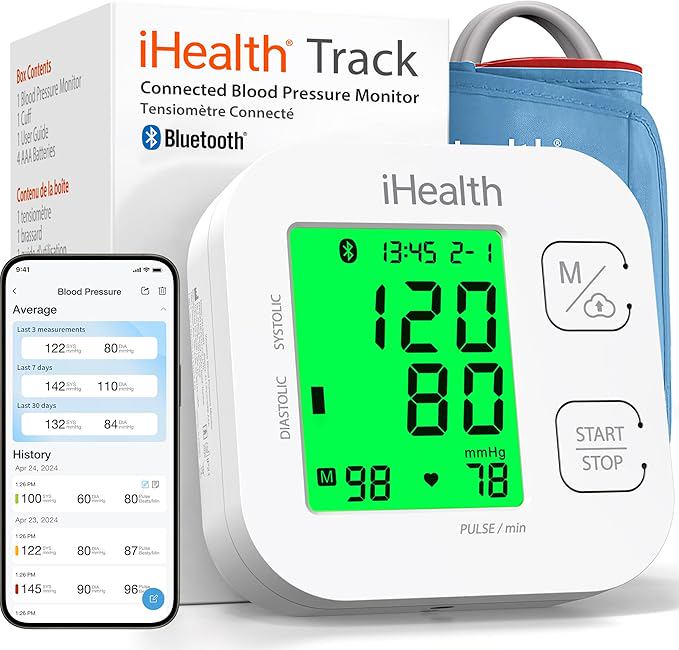
- Use a tracking journal — not just for symptoms, but for daily metrics like heart rate, blood pressure, and sleep quality. This helps you and your doctor spot trends before they become emergencies.
- Set calendar reminders for medications, blood tests (especially INR if on warfarin), and device checks. Do not leave it to memory.
- Identify your true triggers. Common ones include alcohol (especially binge drinking), dehydration, poor sleep, stress, and large meals. But everyone is different. Keep a log to see patterns.
- Schedule regular check-ins with your cardiologist even when you feel stable. AFib can evolve. Medication doses may need adjusting over time.
It also helps to reframe your perspective. Managing AFib is not about fixing a problem and moving on. It is about ongoing rhythm-keeping — like maintaining a good piece of machinery. The more consistently you check in, the fewer surprises you will face.
If you recognize yourself in either of these mistakes, do not be discouraged. Awareness is the first step toward correction. The goal is not perfection; it is steady, informed effort. AFib management does not require you to become a medical expert — it simply requires you to work smartly with your care team, trust the plan, and stay curious about what your body is telling you. Your heart is still on your side. A few small adjustments can keep it beating in your favor.