
Atrial fibrillation (AFib) is not a rare or mysterious condition—it is the most common type of serious heart rhythm disorder, affecting millions of people. Yet for many, the diagnosis comes as a surprise. One moment you are going about your day, and the next, your heart feels like it is flopping around in your chest like a fish out of water. Understanding why AFib happens is the first step toward managing it, and that starts with knowing what sets it off.
While every person’s heart is different, three underlying causes show up again and again in research and clinical practice. These are the heavy hitters behind those erratic electrical signals in the upper chambers of your heart. If you are living with AFib—or worried you might be—here is what you need to know about what is really driving it.
High blood pressure and structural heart changes
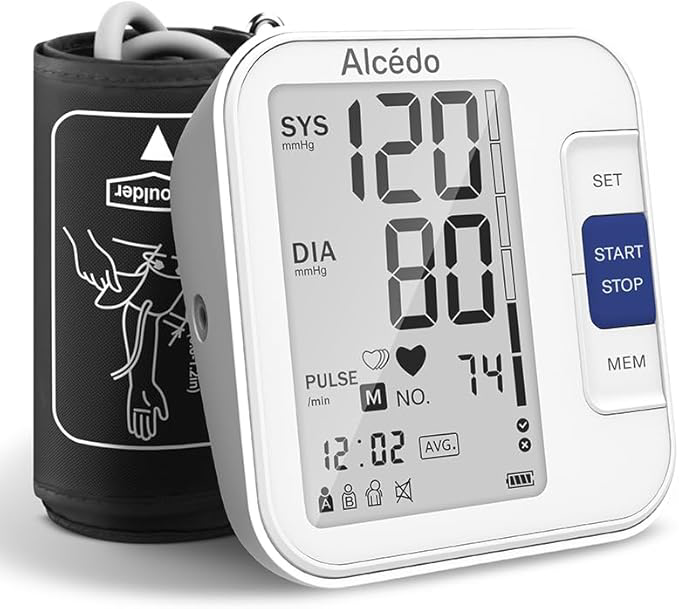
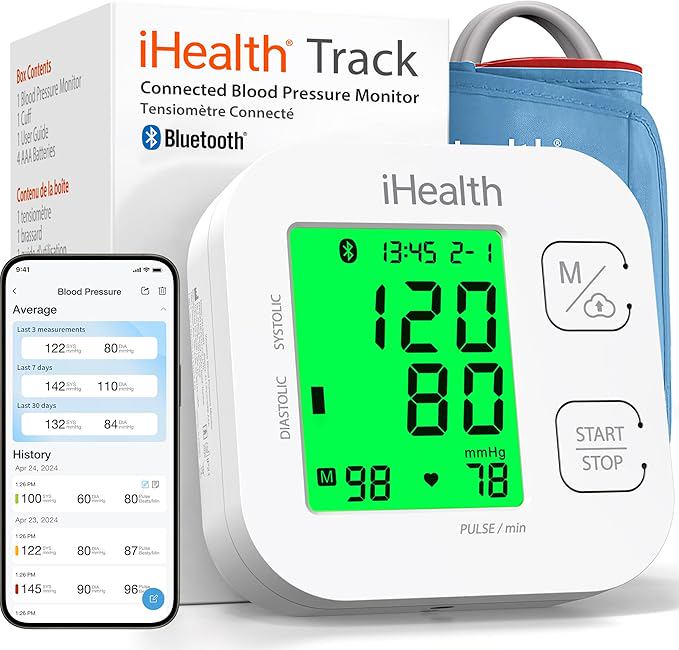
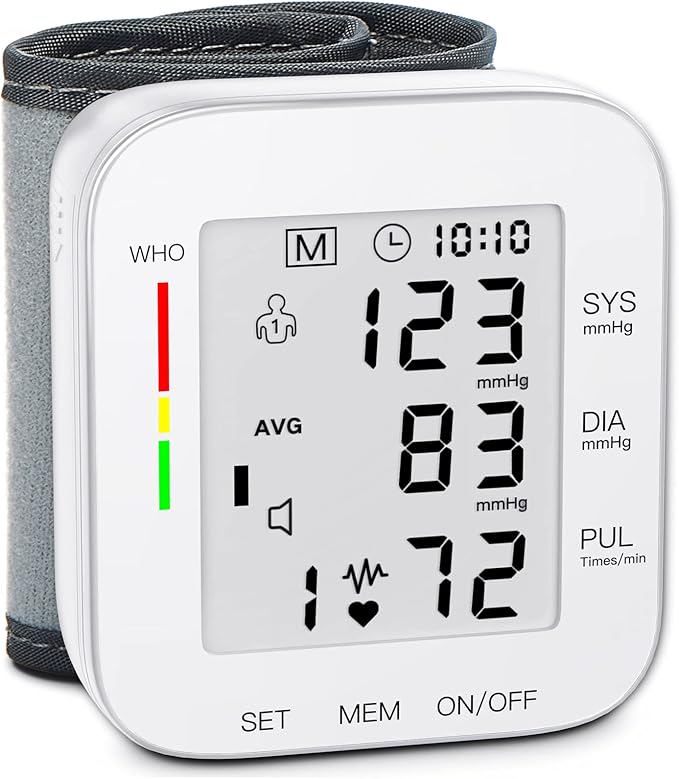
Persistent high blood pressure, or hypertension, is the single most common condition linked to atrial fibrillation. Over time, untreated or poorly controlled hypertension forces your heart to work harder to pump blood. The left atrium, in particular, takes the brunt of this pressure load. It begins to stretch, thicken, and stiffen. Scar tissue can form. These structural changes disrupt the normal electrical pathways that keep your heart beating in a steady rhythm.
The relationship is so strong that studies estimate hypertension accounts for roughly one in five cases of AFib. This is not a subtle risk factor; it is a direct mechanical problem. When the atrial tissue becomes fibrotic or enlarged, it creates an environment where chaotic electrical signals can easily spin off into a full-blown arrhythmia. Controlling blood pressure through diet, exercise, and medication, when prescribed, is one of the most effective ways to reduce AFib burden.
A heart that is constantly working against high pressure is like a house settling on a weak foundation. Eventually, the wiring starts to fail.
Obesity and metabolic strain
Excess body weight, especially around the abdomen, changes how your body handles inflammation, insulin, and fat metabolism. These metabolic disturbances do not stay in your bloodstream—they affect the heart muscle directly. Adipose tissue, or fat cells, can infiltrate the heart muscle itself and produce inflammatory chemicals that interfere with normal electrical conduction.
Obesity also increases the volume of blood your heart has to pump. More blood volume means more stretch on the atrial walls, just like in hypertension. This combination—inflammation, physical strain, and structural remodeling—creates a perfect storm for AFib. Weight loss, even modest reductions of 10 percent of body weight, has been shown to reduce symptom severity and the frequency of AFib episodes in many patients.
If you carry extra weight and have been diagnosed with AFib, your healthcare provider will likely discuss a comprehensive plan that includes nutrition, physical activity, and possibly weight-loss medications or surgery. The goal is not just a number on the scale—it is reducing the inflammatory and mechanical load on your atria.
Sleep apnea and nighttime oxygen drops
Obstructive sleep apnea is one of the most underdiagnosed contributors to atrial fibrillation. People with sleep apnea experience repeated pauses in breathing during sleep, which causes oxygen levels in the blood to drop. Each time oxygen dips, your body releases stress hormones like adrenaline. Your heart rate spikes. Blood pressure surges. This pattern can repeat hundreds of times a night, placing immense strain on the heart's electrical system.
Sleep apnea and AFib share a bidirectional relationship. Not only does sleep apnea trigger AFib episodes, but AFib can also worsen sleep quality and central sleep apnea patterns. For many patients, treating sleep apnea with continuous positive airway pressure (CPAP) therapy leads to a noticeable reduction in AFib episodes. If you snore loudly, wake up gasping, or feel exhausted despite a full night’s sleep, a sleep study may be a critical step in managing your heart rhythm.
Other contributing factors worth knowing
While high blood pressure, obesity, and sleep apnea are the top three common causes, AFib can also be influenced by other conditions. Thyroid disorders, particularly hyperthyroidism, can rev up the heart rate and trigger AFib. Excessive alcohol intake, especially binge drinking, is a well-known acute trigger often called “holiday heart syndrome.” Caffeine and stimulant use affect some people more than others, though the evidence is mixed. Age remains a major non-modifiable risk factor—AFib becomes significantly more common after age 60.
What matters most is that many of these causes are modifiable. You cannot turn back the clock, but you can address blood pressure, weight, and sleep apnea with medical guidance and consistent lifestyle changes. Recognizing these three factors is not about fear—it is about taking control of the variables that are within your reach.
Disclaimer: This article is for general health education purposes only and does not constitute medical advice. Atrial fibrillation requires evaluation and management by a qualified healthcare provider. Do not start, stop, or change any treatment plan without consulting your doctor.