
We spend a surprising amount of time looking at our faces in the mirror, so the first signs of aging on the neck can feel like they appeared out of nowhere. But the skin on your neck is structurally different from the skin on your face—it’s thinner, has fewer oil glands, and is subjected to constant movement. Understanding what causes those fine lines is the first step in keeping the area smooth and healthy.
Fine lines on the neck are rarely the result of one single factor. Instead, they accumulate from a combination of daily habits, environmental exposure, and the natural aging process. The good news is that many of these causes are within your control.
Why neck skin is uniquely vulnerable
The skin on your neck is only about half as thick as the skin on your face. It also contains fewer sebaceous glands, which means it produces less natural oil to keep the area hydrated and supple. This lack of structural support makes the neck one of the first places to show crepey texture and fine lines, especially when environmental or lifestyle stressors pile up.
Primary causes of fine lines on the neck
Repetitive movement and “tech neck”
Every time you look down at your phone, tablet, or book, you create deep creases in the skin of your neck. Over years of repetition, these temporary creases can etch themselves into permanent fine lines. Dermatologists often refer to this as “tech neck,” and it’s one of the most common modern contributors to neck aging. The simple fix is to raise your device to eye level, but it takes consistent awareness to break the habit.
Sun damage and photoaging
The neck is frequently overlooked when applying sunscreen. While you may be diligent about protecting your face, the neck and chest (the décolletage) often get a quick swipe at best—or nothing at all. Ultraviolet radiation breaks down collagen and elastin fibers, the proteins that keep skin firm and springy. Without them, the skin thins further and fine lines become more pronounced. Even incidental sun exposure during daily commutes or walks adds up over time.
Natural collagen decline
Starting in your mid-to-late twenties, your body’s collagen production begins to slow by about 1% each year. This intrinsic aging process affects all skin, but it’s more visible on the neck because the skin is already thinner. The loss of volume and elasticity creates a perfect environment for fine lines to settle in, especially along the horizontal bands of the neck.
Sleep lines and pillow pressure
Your sleeping position matters more than you might think. Side and stomach sleepers press their neck against the pillow for hours each night, creating sustained creases. Over time, these “sleep lines” can become fixed wrinkles, particularly on the side of the neck that faces the pillow. Silk or satin pillowcases can reduce friction, but the real solution is adjusting your sleep position—easier said than done, admittedly.
Dehydration and dry skin
Even mild dehydration makes fine lines more visible. When the skin’s outermost layer lacks moisture, it shrinks slightly, highlighting every tiny crease. The neck, with its low oil production, is especially prone to this effect. Environmental factors like indoor heating, air conditioning, and low humidity further strip moisture from the area.
Practical prevention strategies
You don’t need a complicated ten-step routine to prevent neck lines. Consistency with a few key habits makes the biggest difference.
Extend your skincare routine downward
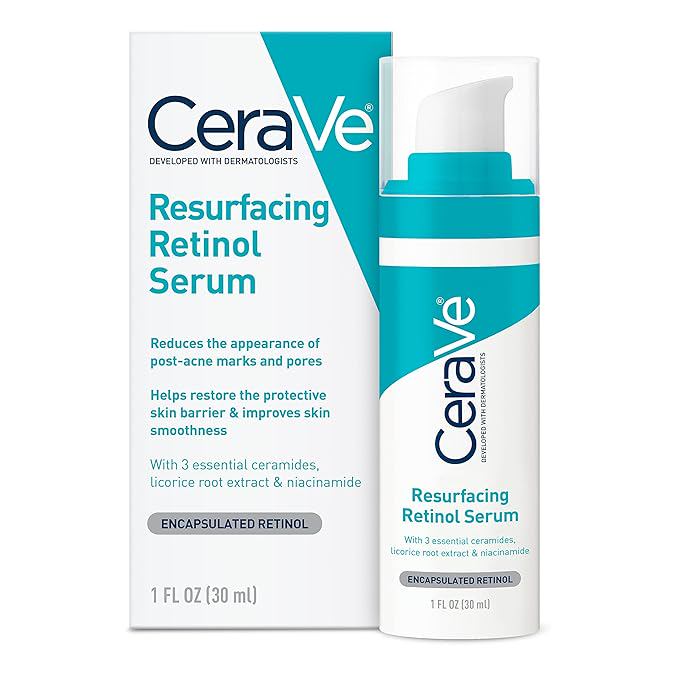
Whatever you do for your face—cleanser, moisturizer, serum, sunscreen—take it down to your collarbone. This includes the front, sides, and back of the neck. If you use a retinol or vitamin C serum on your face, apply a small amount to your neck as well (start slowly, as neck skin can be sensitive to active ingredients).
A good rule: your skincare doesn’t stop at your jawline. The neck deserves the same ingredients and attention your face gets.
Daily sunscreen is non-negotiable
Choose a broad-spectrum sunscreen with SPF 30 or higher and apply it generously to your neck and chest every morning. If you’re spending time outside, reapply every two hours. Mineral sunscreens with zinc oxide or titanium dioxide are gentle options for sensitive neck skin. This single habit does more to prevent fine lines than any cream or treatment.
Hydrate inside and out
Drink enough water throughout the day to support your skin’s natural moisture barrier. Externally, use a moisturizer that contains humectants like hyaluronic acid or glycerin, which pull water into the skin, and emollients like squalane or ceramides to lock that moisture in. Apply it while your neck is still slightly damp from washing for better absorption.
Be mindful of posture and screen height
Raise your phone or tablet so you can look at it with your head in a neutral position. Adjust your computer monitor so the top of the screen is at or just below eye level. This reduces the number of times you bend your neck throughout the day. It may feel awkward at first, but your neck will thank you in the long run.
What about treatments?
For existing fine lines, topical retinoids (like over-the-counter retinol) can help stimulate collagen production and smooth the skin’s surface over time. Professional treatments such as microneedling, chemical peels, or laser resurfacing, performed by a board-certified dermatologist, can also improve the appearance of neck lines. But prevention remains the most effective—and most affordable—approach.
Fine lines on the neck are not a sign that you’ve “let yourself go.” They are a natural part of aging, accelerated by modern habits and overlooked skin care. By treating your neck with the same respect you give your face, you can keep the area looking smooth and healthy for years to come.