
You have been consistent. You show up, you lift, you leave. But the numbers on the barbell stopped moving three weeks ago. That sticking point—the plateau—is a normal part of strength training, but it does not mean you need to overhaul your entire program. Sometimes, the missing piece is what you put in your body before you even touch the bar.
For a beginner lifter, a plateau often comes down to energy availability and nervous system readiness. Your muscles can handle the weight, but your fuel tank is running on fumes. What you drink before training can determine whether you grind through a stuck rep or finally drive past it. Let's look at the smartest, simplest options that actually move the needle.
Why hydration alone isn't enough to break a plateau
Water keeps everything moving—joints lubricated, blood flowing, temperature regulated. But when your last three squat sessions ended at the same weight, plain water is not providing the spark your muscles need. You need something that either provides direct fuel (carbohydrates) or sharpens your focus and power output (caffeine or specific amino acids).
The goal here is not a jittery, artificial pre-workout experience. It is a strategic edge that lets you add one more rep or five more pounds. For a beginner, that small margin is often exactly what is missing.
Black coffee: the overlooked powerhouse
Before spending money on a tub of neon powder, try black coffee. It is cheap, accessible, and backed by decades of research. Caffeine blocks adenosine, the neurotransmitter that makes you feel tired. That effect directly translates to better focus and sometimes a slight increase in pain tolerance during heavy sets.
How to use it: Drink one cup (roughly 8–12 ounces) about 30 to 45 minutes before you lift. No sugar, no cream—keep it simple. If you have never done this, start with half a cup to see how your stomach and energy respond.
Avoid the trap of energy drinks with artificial sweeteners and excessive additives. Black coffee gives you the caffeine without the extra noise. For a beginner lifter, this single change can feel like a light switch in the gym.
Simple carbs: the fuel your muscles actually run on
Caffeine is the focus tool, but carbohydrates are the gasoline. When you are stuck on a plateau, your muscles might not be getting enough glycogen—stored glucose—to push through the final reps of a heavy set.
A small amount of fast-digesting carbs before lifting can make a noticeable difference. This does not mean a pasta bowl. We are talking about something gentle on the stomach that floods your system quickly.
- Diluted fruit juice: Half apple juice, half water. About 4 to 6 ounces total. Enough glucose to help but not enough to cause a crash or stomach slosh.
- A banana blended with water: Simple, natural, and provides potassium to support muscle contraction.
- White rice cakes with honey: If you prefer a semi-solid option, one rice cake with a thin spread of honey is easy to digest and effective.
Combine this approach with black coffee and you have a simple, clean pre-workout stack that costs pennies. Many lifters overthink this. If you train fasted or after a long workday, a small carb intake before lifting can be the factor that unlocks progress.
Beetroot juice: the endurance support for harder sets
Beetroot juice has gathered real attention for its natural nitrate content. Nitrates convert to nitric oxide in the body, which dilates blood vessels. More blood flow means more oxygen can reach working muscles. This does not directly make you stronger, but it can allow you to recover between sets faster and feel less winded during high-rep warm-ups.
This is not a must-have for every lifter. But if your plateau involves feeling exhausted rather than muscularly weak, beetroot juice is worth trying.
Caveat: Drink it about 60 to 90 minutes before training. It does not taste like a fruit smoothie. Dilute it with water or a splash of citrus if needed. Do not expect an instant strength surge—it is more of a steady endurance boost.
Coconut water: a middle ground for sensitive stomachs
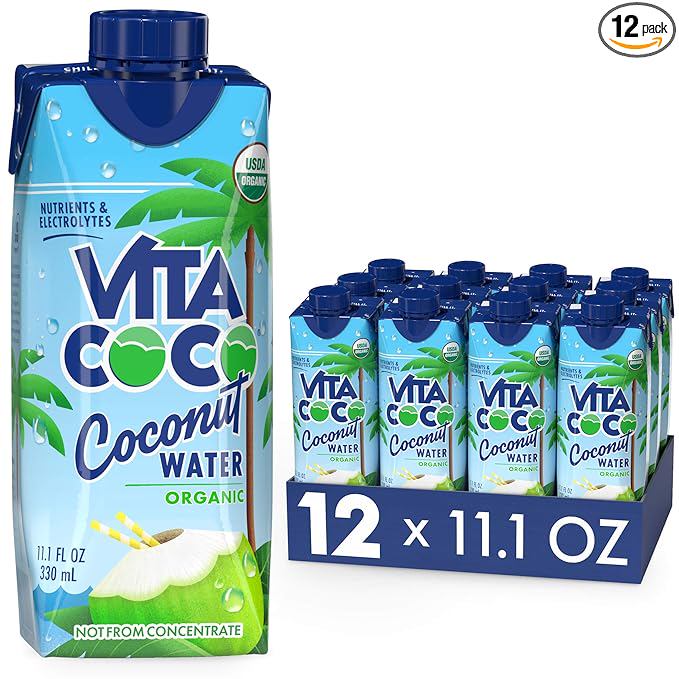
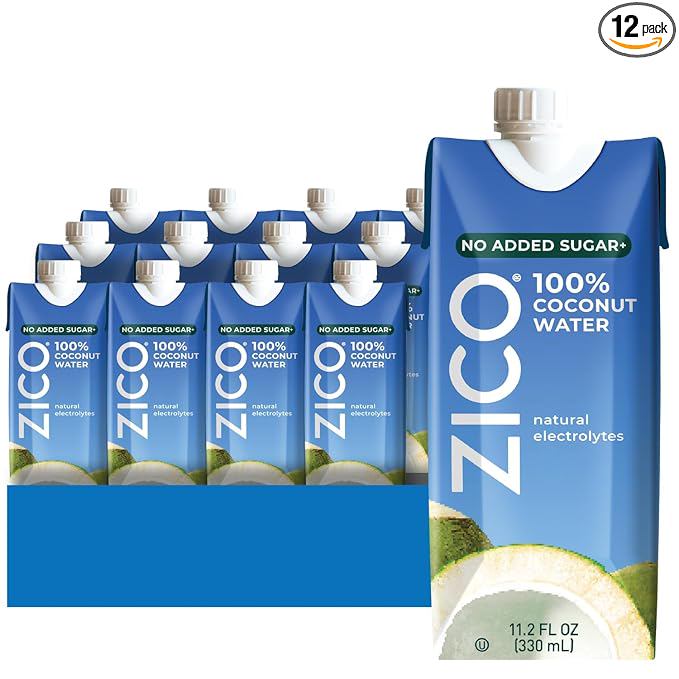
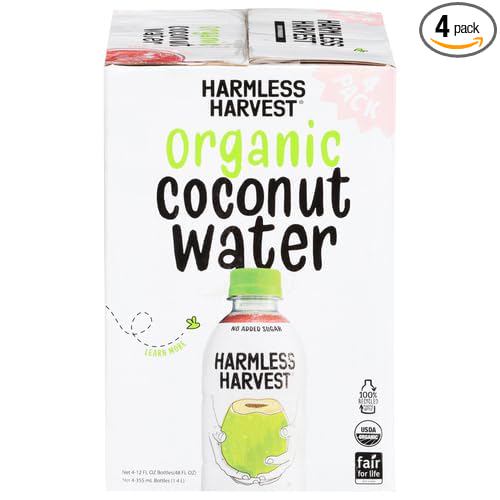
Some lifters cannot handle coffee or concentrated juice before heavy squats or deadlifts. For those cases, coconut water offers a gentle alternative. It provides natural sugars (about 6–8 grams per cup) and electrolytes, particularly potassium and magnesium, which support muscle firing.
It is not a powerful ergogenic aid. But if the alternative is drinking nothing or choking down a product that upsets your digestion, coconut water is a valid option. It keeps you hydrated and provides a tiny carbohydrate bump without the acid of coffee or the sugar spike of juice.
What to skip immediately
Some drinks are common in the gym but counterproductive for breaking a plateau, especially for a beginner.
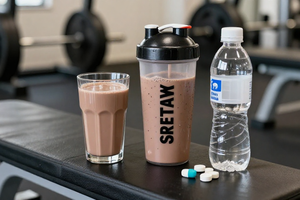
- Dairy-based smoothies: A glass of milk or a protein shake with milk before lifting often sits heavy. Digestion competes with blood flow to muscles. Save the dairy for after training.
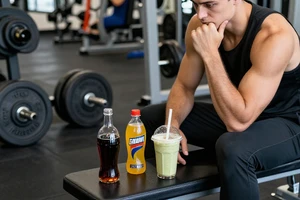
- High-sugar energy drinks: The crash from a 16-ounce sugar bomb usually hits mid-workout. Plus, the artificial ingredients can bloat you.
- Alcohol (obviously): Even a single drink the night before can impair recovery and coordination. It is a direct barrier to breaking a plateau.
- Anything new on workout day: Never experiment with a new supplement or drink on the day of an important lift. Try it on a light day or rest day first.
How to know if your drink choice is working
The proof is in the logbook. If you add black coffee and a small carb drink and then hit an extra rep on your top set within two weeks, the answer is clear. If you feel no difference, you can drop it. The point is not to become dependent on a pre-workout ritual. It is to remove one variable that might be holding you back.
Plateaus are usually multi-factorial. Sleep, stress, and program design all matter. But controlling what you drink before lifting is one of the easiest adjustments you can make as a beginner. It costs almost nothing, involves zero risk when done sensibly, and teaches you to pay attention to how your body responds to fuel.
Try one change for a week. Coffee only. Then coffee plus diluted juice. Notice the difference on your main lifts. That awareness alone is often enough to restart progress.