
Fine lines are often the first visible sign of skin aging, appearing as delicate creases that can deepen over time. While they are a natural part of the aging process, their appearance and progression are influenced by a combination of factors, many of which are within our control. Understanding these factors is the first, most powerful step in a proactive skincare approach.
A skin specialist’s perspective shifts the focus from simply treating lines after they appear to building a daily routine that supports your skin’s long-term health and resilience. It’s less about a single miracle product and more about consistent, mindful habits that protect and nourish your skin’s foundation.
What exactly are fine lines, and what causes them?
Fine lines are the shallow, temporary wrinkles that often show up first around the eyes (crow's feet), forehead, and mouth. They differ from deeper-set wrinkles, which are more permanent folds in the skin. Think of fine lines as the skin’s way of showing it’s been repeatedly folded or creased, like a piece of paper that’s been gently crumpled.
The primary driver is a natural decline in collagen and elastin—the proteins that keep skin plump and springy. As production slows, skin becomes thinner and less able to snap back. But this biological process is dramatically accelerated by external and behavioral factors. The biggest culprit is cumulative sun exposure, which breaks down collagen and elastin fibers through a process called photoaging. Repetitive facial expressions, like squinting or smiling, also etch temporary lines that can become more permanent over the years. Finally, lifestyle factors like smoking, poor diet, and chronic stress create oxidative stress that further damages skin cells.
The goal isn’t to stop your face from moving, but to support your skin so it can move and recover beautifully.
The cornerstone of prevention: Sun protection
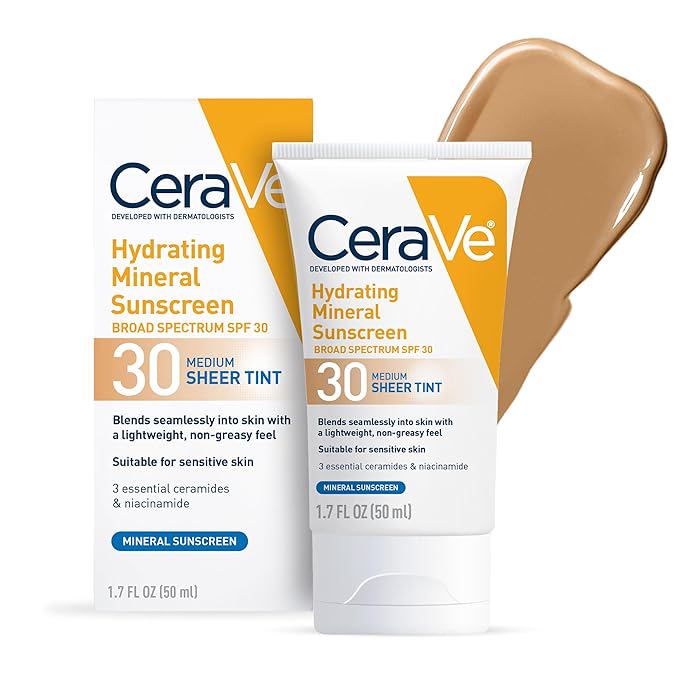
If you take only one piece of advice, let it be this: daily, broad-spectrum sunscreen is non-negotiable. Ultraviolet A (UVA) rays are the stealthy agers, penetrating deep into the dermis to break down collagen. They are present year-round, even on cloudy days and through windows.
Look for a broad-spectrum sunscreen with an SPF of 30 or higher. Apply it every morning to all exposed skin, come rain or shine, and reapply every two hours if you’re outdoors. This single habit does more to prevent premature fine lines than any expensive cream applied after the fact. Consider it the foundation of your entire anti-aging strategy.
Building your daily skincare routine
A simple, consistent routine built on proven ingredients is far more effective than a complicated regimen you can’t maintain. Focus on these pillars:
Gentle cleansing: Harsh cleansers can strip the skin’s natural lipid barrier, leading to dryness and irritation that can emphasize lines. Opt for a mild, non-foaming cleanser that leaves skin feeling comfortable, not tight.
Antioxidant defense: In the morning, after cleansing, apply a serum rich in antioxidants like vitamin C, vitamin E, or ferulic acid. These ingredients neutralize free radicals from pollution and UV exposure before they can damage collagen, providing a crucial layer of daily protection.
Targeted treatment: In the evening, this is where you can incorporate ingredients that support skin renewal and collagen production. Two of the most researched and recommended are:
- Retinoids (like retinol): A derivative of vitamin A, retinol is a gold-standard ingredient. It works by speeding up cell turnover and stimulating collagen synthesis. Start slowly (2-3 nights a week) and always follow with a moisturizer to manage potential dryness.
- Peptides: These are short chains of amino acids that act as messengers, signaling the skin to produce more collagen. They are often well-tolerated and can be a great option for those with sensitive skin.
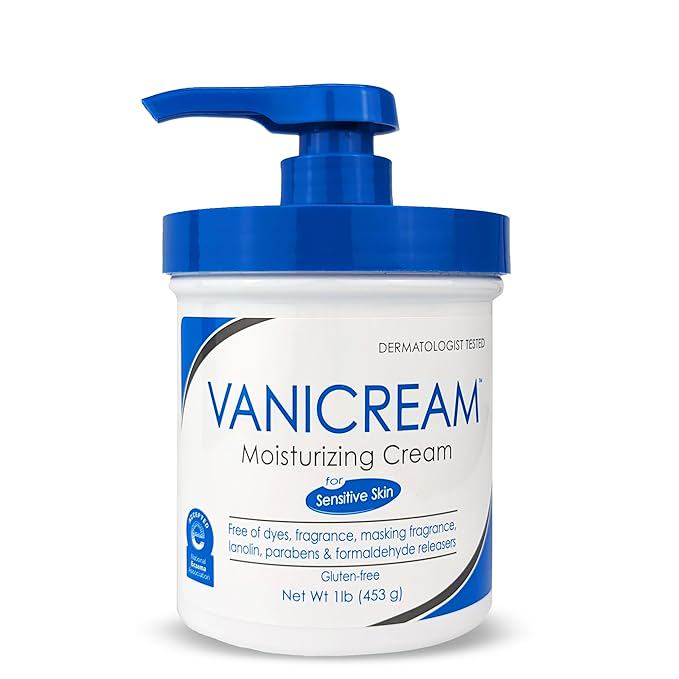
Consistent hydration: Well-hydrated skin looks plumper, which can make fine lines less noticeable. A good moisturizer helps seal in water and supports the skin barrier. Look for ingredients like hyaluronic acid, glycerin, or ceramides.
Lifestyle habits that support your skin
Your skin reflects your overall health. What you do for your body benefits your complexion.
Nutrition: A diet rich in antioxidants fights oxidative stress from the inside. Focus on colorful fruits and vegetables, healthy fats from nuts and avocados, and lean proteins. Staying well-hydrated by drinking water throughout the day is also essential for skin turgor.
Sleep and stress: During deep sleep, your body repairs cells, including skin cells. Chronic stress elevates cortisol, which can break down collagen. Prioritizing quality sleep and finding healthy outlets for stress (like walking, meditation, or a hobby) are indirect but powerful anti-aging tools.
Avoid smoking: Smoking drastically reduces blood flow to the skin, depriving it of oxygen and nutrients, while the repetitive puckering motion encourages lines around the mouth.
When to consider professional treatments
Even with an impeccable routine, you may want to explore in-office options for more targeted correction or prevention. A dermatologist can assess your skin and recommend procedures like:
- Professional chemical peels: Use stronger acid solutions to exfoliate deeper layers, improving texture and stimulating new collagen growth.
- Laser therapies: Fractional lasers create microscopic injuries in the skin to trigger a powerful healing and collagen-remodeling response.
- Microneedling: Uses fine needles to create controlled micro-injuries, boosting collagen and elastin production.
These treatments are investments and require consultation with a qualified professional to determine if they are right for your skin type and concerns.
The journey to preventing fine lines is a marathon, not a sprint. It’s built on the small, daily choices that protect your skin’s health. By combining diligent sun protection, a consistent skincare routine with key ingredients, and supportive lifestyle habits, you are giving your skin the best possible foundation to age gracefully and maintain its natural vitality for years to come.