You’ve likely heard the phrase ‘you are what you eat,’ but when it comes to your skin, the connection is more than just a saying. The foods you consume daily, particularly sugar, engage in a quiet, biochemical conversation with the proteins in your skin—a conversation that, over time, becomes visible. While genetics and sun exposure play starring roles in skin aging, the role of diet, and specifically sugar, is a supporting actor with a surprisingly significant part.
Understanding this process isn’t about fostering fear or promoting a completely sugar-free existence. It’s about awareness. When you know how something works, you can make informed, balanced choices that align with your wellness goals. Let’s explore what’s happening beneath the surface and how your dietary patterns can influence the skin you see in the mirror.
The Sugar-Skin Connection: A Process Called Glycation
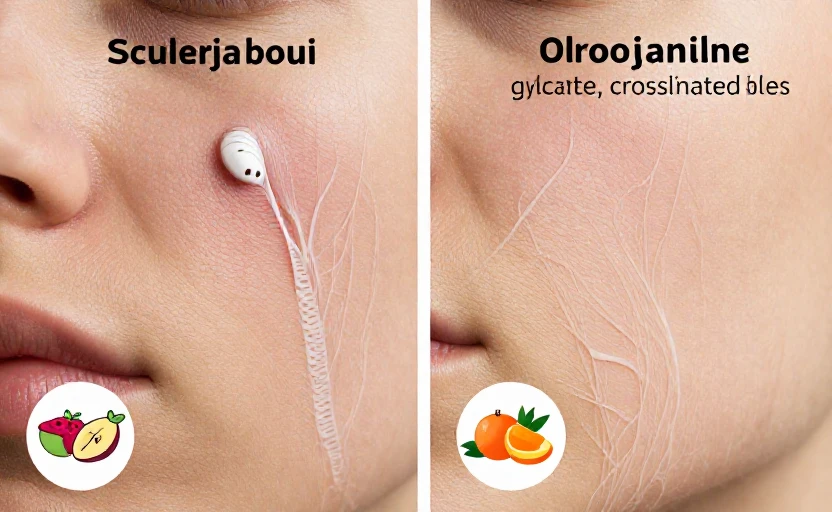
At the heart of sugar’s relationship with wrinkles is a natural process known as glycation. In simple terms, glycation occurs when sugar molecules in your bloodstream, such as glucose or fructose, bind to proteins or lipids without the controlling action of an enzyme. This creates harmful new molecules called advanced glycation end products, aptly abbreviated as AGEs.
Your skin relies on two critical proteins for its structure and bounce: collagen and elastin. Think of collagen as the sturdy scaffolding that provides firmness, and elastin as the spring that allows skin to snap back after a smile or a frown. These proteins are long-lived, making them prime targets for glycation.
When sugar binds to these proteins, it fundamentally changes them. The process cross-links the collagen and elastin fibers, making them stiff, brittle, and less functional. The result is skin that loses its resilience and suppleness. It becomes more prone to sagging and the formation of fine lines, particularly in areas of repeated expression.
Glycation is a slow, cumulative process. The effects of today’s dietary choices may not be visible for years, which is why consistent, long-term habits matter most.
Beyond the Sweetener Bowl: Where Sugar Hides
When we talk about sugar and skin, it’s crucial to look beyond the obvious spoonful in your coffee. The modern diet is rich in added sugars and refined carbohydrates that quickly break down into glucose, spiking blood sugar levels and providing ample fuel for glycation.
Common sources include:
- Sugary beverages: Sodas, sweetened coffees and teas, energy drinks, and even many fruit juices.
- Processed snacks and desserts: Cookies, cakes, pastries, candy, and many cereal bars.
- ‘Hidden’ sugars: Sauces like ketchup and barbecue sauce, flavored yogurts, granola, and many packaged salad dressings.
- Refined carbohydrates: White bread, white rice, regular pasta, and crackers, which act very similarly to sugar in the body.
Reading nutrition labels is key. Look for terms like sucrose, high-fructose corn syrup, maltose, dextrose, and fruit juice concentrate. The higher up on the ingredient list, the more the product contains.
How to Support Your Skin from the Inside
Adopting a skin-friendly dietary pattern doesn’t require perfection. It’s about building a foundation of nutrient-dense foods that support your skin’s natural defenses and repair mechanisms, while mindfully enjoying life’s sweeter moments.
Focus on a Low-Glycemic Load Diet
Foods with a low glycemic load cause a slower, more gradual rise in blood sugar, which can help minimize the glycation process. Build your meals around:
- Non-starchy vegetables: Leafy greens, broccoli, peppers, zucchini, and cauliflower.
- Quality proteins: Fish, poultry, legumes, lentils, and tofu.
- Healthy fats: Avocado, nuts, seeds, and olive oil.
- High-fiber, complex carbs: Whole grains like quinoa and oats, sweet potatoes, and beans.
Incorporate Antioxidant-Rich Foods
Antioxidants are your skin’s allies. They help combat oxidative stress, which works in tandem with glycation to age skin. Vibrantly colored fruits and vegetables are your best sources.
Prioritize foods rich in vitamins C and E, and polyphenols. Think berries, citrus fruits, dark leafy greens, tomatoes, nuts, seeds, and even dark chocolate (with a high cocoa percentage). Green tea is also an excellent source of protective polyphenols.
Consider Cooking Methods
Interestingly, AGEs can also form in food during high-heat cooking methods like grilling, frying, and broiling. This doesn’t mean you must avoid these methods entirely, but balancing them with more gentle techniques like steaming, stewing, or poaching can be beneficial for overall AGE reduction.
Remember, your skin’s appearance is a reflection of your overall health. Chronic stress, poor sleep, and smoking also contribute to oxidative stress and inflammation, exacerbating the aging process. A holistic approach—nourishing your body, managing stress, protecting your skin from the sun, and getting adequate rest—provides the most powerful defense for maintaining healthy, resilient skin over time.