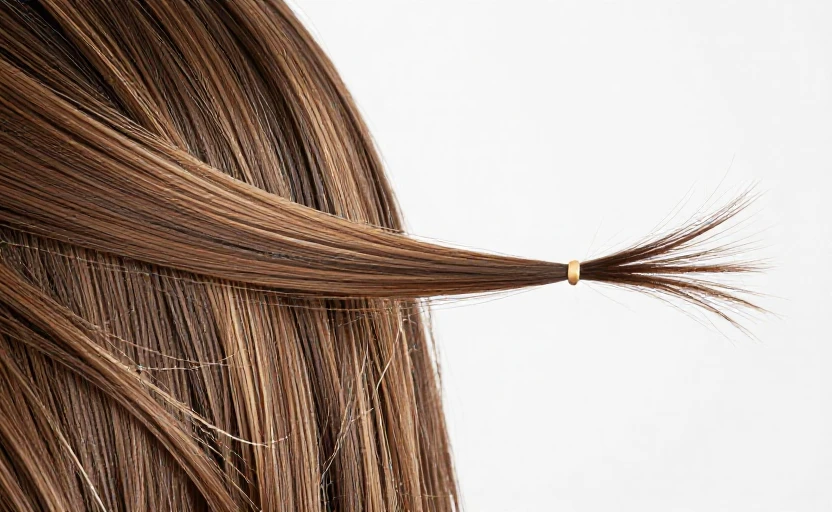
You’ve tried the silk pillowcases, the heat protectants, and the gentle hair ties, but those split ends keep creeping back. It’s a common frustration. While styling damage is often the first suspect, sometimes the real culprit is something you’re putting on your plate, not what you’re doing with your brush. Your hair is a living record of your internal health, and persistent splitting can be one of its most telling signals.
Understanding the difference between diet-induced and styling-induced damage is the first step toward healthier hair. The signs are often subtle but distinct, pointing not to external trauma but to a lack of internal building blocks. Let’s explore what your split ends might be trying to tell you about your nutritional status.
How does diet actually cause split ends?
Think of each strand of hair as a complex structure built primarily of a protein called keratin. For that strand to grow strong and remain intact from root to tip, your body needs a steady supply of specific raw materials: high-quality proteins, essential fatty acids, vitamins, and minerals. When your diet is consistently lacking in these key nutrients, the hair shaft produced is fundamentally weaker.
This compromised structure is more fragile and less resilient from the very start of its growth journey. It can’t withstand normal daily friction—like brushing, wind, or even the gentle pressure of a pillow—the way a well-nourished strand can. The protective outer layer (the cuticle) becomes brittle and prone to lifting and fraying, leading directly to splits and breakage long before the hair reaches great lengths. It’s a structural failure, not just surface damage.
Key warning signs your split ends are nutritional
So, how can you tell if your splits are waving a red flag about your diet? Look for these patterns that often point inward.
They appear quickly and close to the scalp. Styling damage typically accumulates on the older, more weathered ends of your hair. If you’re noticing splits and breakage on relatively new growth, just a few inches from your roots, it suggests the hair was weak when it emerged. This is a strong indicator that the problem originated during its formation, not from later environmental wear and tear.
Your hair feels dry and brittle overall, not just on the ends. While heat styling can dry out sections of hair, diet-related dryness tends to be more uniform. The entire mane may feel straw-like, lackluster, and lack elasticity. You might notice increased shedding or breakage all over, not just the classic “Y” split at the very tips, but also mid-shaft splits or “white dots” (trichorrhexis nodosa) indicating points of weakness.
You have other symptoms beyond your hair. Your body rarely signals a deficiency in just one place. Pay attention to a constellation of symptoms. Are your nails also brittle, peeling, or developing ridges? Is your skin unusually dry, flaky, or slow to heal? Do you feel persistently fatigued? These accompanying signs strongly suggest a systemic nutritional shortfall that’s also manifesting in your hair’s integrity.
When splits appear on new growth and accompany brittle nails, it’s time to look at your plate, not just your hair tools.
The common dietary culprits behind weak hair
Certain nutritional gaps are notorious for undermining hair strength. If split ends are your persistent issue, consider whether your diet might be low in these key players.
Inadequate Protein: Hair is primarily made of keratin, a protein. Consistently low intake of high-quality protein (from sources like eggs, fish, lean poultry, legumes, and lentils) means your body lacks the amino acids necessary to build a robust hair shaft. This often results in hair that grows slowly, feels fine and weak, and splits easily.
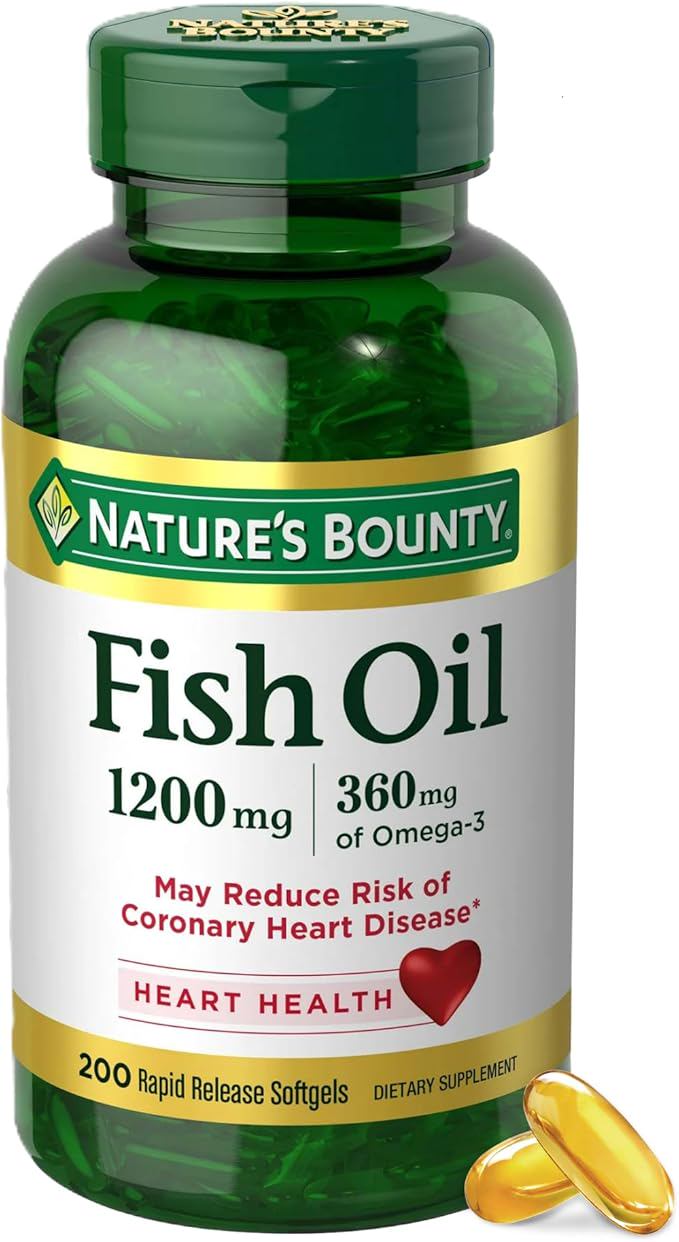
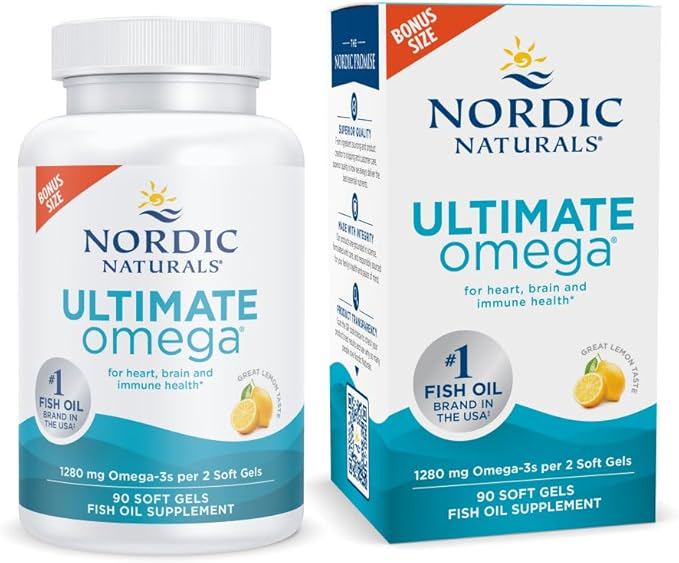
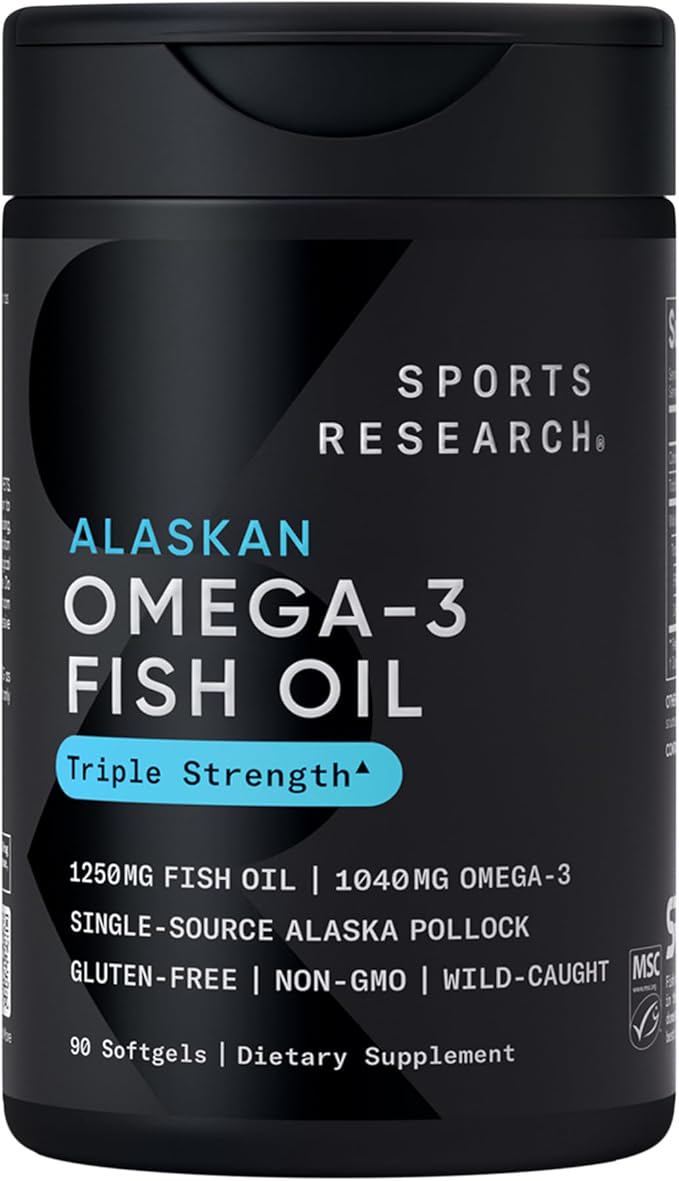
Essential Fatty Acid Deficiency: Healthy fats, particularly omega-3s found in fatty fish, walnuts, flaxseeds, and chia seeds, are crucial for hydrating the hair shaft and scalp. They help maintain the lipid layer that keeps hair flexible and moisturized. A diet too low in these fats can lead to a dry, brittle, and frizzy texture that’s prone to splitting.
Low Iron or Ferritin: Iron, and specifically its storage form ferritin, is vital for hair growth and strength. Even if you’re not clinically anemic, low ferritin levels (common, especially among menstruating individuals) can significantly impact hair quality, leading to increased shedding and brittle strands that split. Good sources include red meat, spinach, lentils, and fortified cereals.
Lack of B Vitamins (especially Biotin & B12): B vitamins are involved in cell metabolism and red blood cell production, which supply oxygen to hair follicles. Biotin is famously linked to hair health, while B12 is critical for DNA synthesis in rapidly dividing cells like those in hair follicles. Deficiencies can lead to weak, slow-growing hair. Find them in eggs, nuts, seeds, whole grains, and animal products.
Zinc and Vitamin D Shortfalls: Zinc plays a role in protein synthesis and tissue growth, including hair. Vitamin D receptors are present in hair follicles and are thought to be involved in the hair growth cycle. Inadequate levels of either can contribute to hair thinning and fragility. Zinc is found in oysters, pumpkin seeds, and chickpeas; vitamin D in fatty fish, egg yolks, and fortified foods, with sensible sun exposure.
What to do next: nourishing your hair from within
If the signs point to diet, the solution involves shifting your focus from topical fixes to foundational nutrition. This isn’t about a quick detox or a single “superfood”; it’s about consistent, balanced eating.
Start by gently assessing your typical meals. Are you eating a source of complete protein with most meals? Are healthy fats a regular part of your day? Is your plate colorful with a variety of fruits and vegetables? Incorporating more whole, nutrient-dense foods is the most sustainable path.
- Prioritize protein: Include a palm-sized portion of protein at each meal.
- Embrace good fats: Add a tablespoon of seeds or nuts to your breakfast, or include avocado or olive oil in your lunch.
- Go for iron-rich foods: Pair plant-based iron (like spinach or lentils) with a source of vitamin C (like bell peppers or citrus) to enhance absorption.
- Consider a targeted supplement only after consulting a healthcare provider. They can order tests to check for specific deficiencies like iron, vitamin D, or B12 before you start supplementing.
Remember, hair grows slowly—about half an inch per month. You won’t see changes in the new, healthier hair emerging from your scalp for at least two to three months after improving your diet. Be patient and consistent. In the meantime, continue to handle your hair gently: use a wide-tooth comb on wet hair, minimize high heat, and get regular trims to remove the existing damaged ends, allowing the new, well-nourished growth to shine through.
Your hair’s condition is a conversation with your overall health. When split ends persist despite careful styling, it’s worth listening to what they might say about your nutritional foundations. By addressing the root cause from within, you support not just stronger, more resilient hair, but your vitality from the inside out.