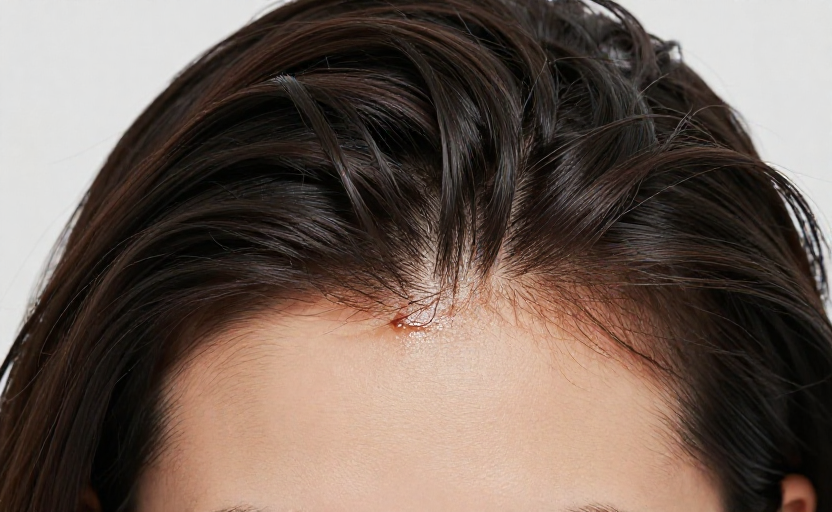
An oily scalp can feel like a constant battle. You wash your hair, and within hours, it feels heavy, limp, and greasy again. The instinct is to fight back with more frequent washing, stripping away that oil as often as possible. But what if the problem isn't how often you wash, but what you're washing with? Sometimes, your scalp is sending a clear signal that your current products are the wrong match, and no amount of washing will fix that.
Recognizing the difference between a scalp that's naturally oily and one that's reacting poorly to your routine is the first step toward healthier hair. It's about listening to the cues—the itch, the flakes, the persistent grease—and understanding they might be pleas for a different approach, not just more shampoo.
When More Washing Makes Things Worse
It seems counterintuitive, but overwashing an oily scalp can create a vicious cycle. Many shampoos designed for oil control are formulated with strong surfactants that deeply cleanse. While this feels effective initially, it can strip away too much of your scalp's natural sebum. In response, your sebaceous glands may go into overdrive, producing even more oil to compensate for the perceived dryness. You wash again to remove the new oil, and the cycle continues, potentially leaving your scalp both oilier and irritated.
If your hair feels greasy again just 12-24 hours after a thorough wash, it's a classic sign your routine may need reevaluation, not reinforcement.
Key Signs Your Scalp Needs a Product Change
How do you know if you're in this cycle? Look beyond just the shine. Your scalp and hair will give you several clues that the issue is product-related.
1. Persistent Itchiness or Discomfort
A healthy scalp shouldn't itch persistently. If you find yourself scratching frequently, especially soon after washing, it could be a sign of irritation or sensitivity to an ingredient in your shampoo or conditioner. Sulfates, certain alcohols, or fragrances can be common culprits that disrupt your scalp's balance.
2. Flakes Accompanied by Grease
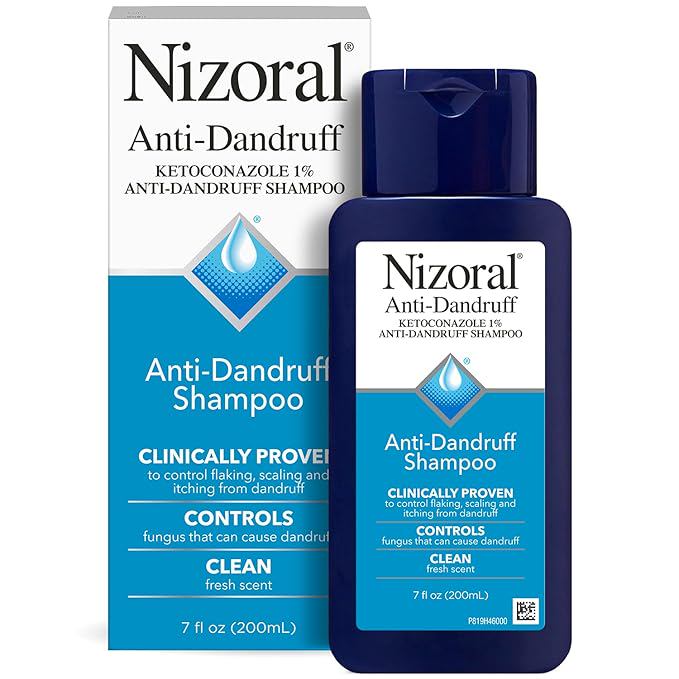
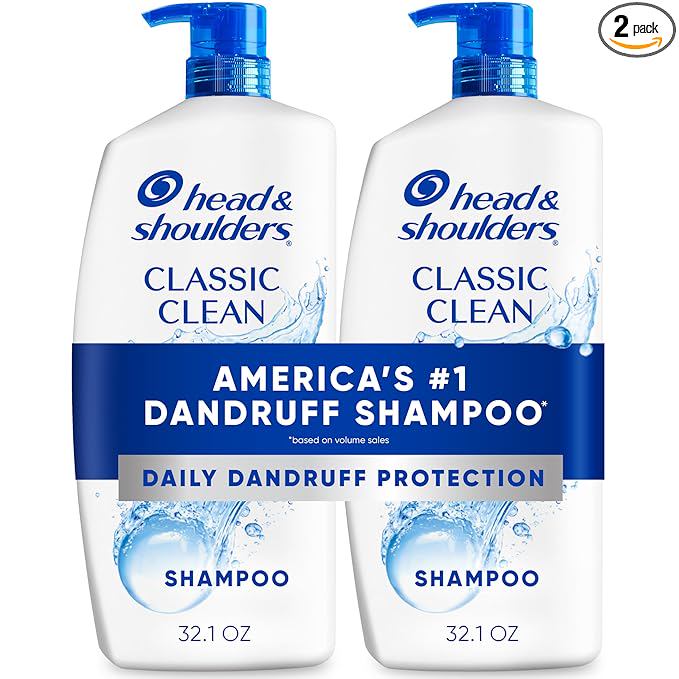
Notice small, oily-looking flakes clinging to your scalp and hair? This is often a sign of seborrheic dermatitis, a common condition linked to an overgrowth of yeast that feeds on scalp oils. Using a harsh, drying shampoo can exacerbate this by increasing irritation and flaking, while a gentler, targeted formula can help manage it.
3. Lack of Volume at the Roots, Despite Clean Hair
Your hair is clean, but within a day, the roots are plastered flat to your head with weightless ends. This heavy, greasy-root look often points to product buildup or formulas that are too heavy for your hair type. Conditioners and styling products not rinsed thoroughly or meant for thicker, drier hair can coat the shaft and weigh down fine, oily hair.
4. Increased Oil Production After Washing
This is the hallmark of the rebound effect. Pay attention to the timeline. If your scalp feels tight or dry immediately after washing but becomes excessively oily faster than it used to, your products are likely too stripping. Your scalp is overcompensating.
What to Look for in a New Routine
Shifting your focus from "removing all oil" to "balancing the scalp" is key. Look for products that cleanse effectively without aggression.
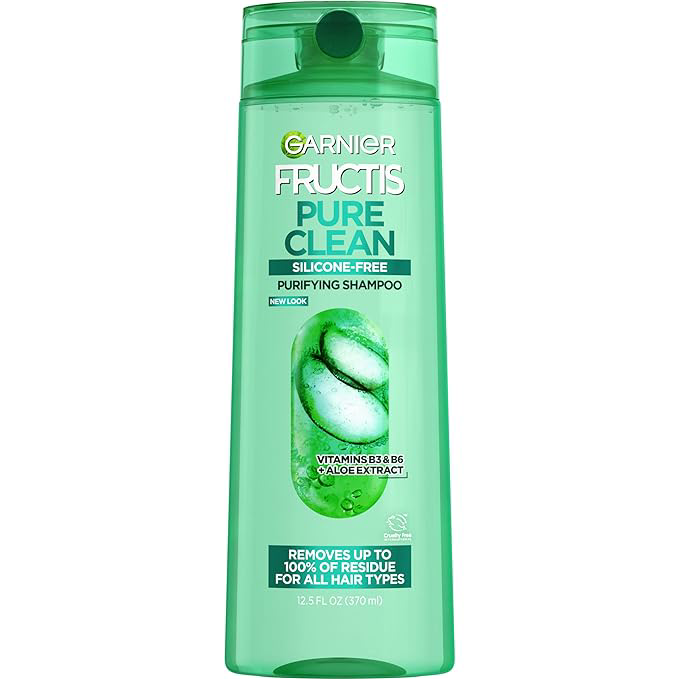
- Gentle Cleansers: Seek out shampoos labeled "balancing," "scalp health," or "gentle." Ingredients like glycerin or mild surfactants can clean without completely stripping natural oils.
- Clarifying Occasionally: Incorporate a clarifying shampoo once every week or two to remove hard water minerals, product residue, and excess oil that gentle shampoos might leave behind. Don't use it daily.
- Lightweight Conditioning: Apply conditioner only from the mid-lengths to the ends of your hair. Avoid the scalp area entirely if possible. Look for "weightless" or "volumizing" conditioners.
- Scalp-Friendly Ingredients: Ingredients like salicylic acid (gentle exfoliant), zinc pyrithione (anti-fungal), niacinamide (can help regulate oil), and tea tree oil (natural antiseptic) can be beneficial for oily, flaky, or irritated scalps.
Adjusting Your Habits, Not Just Your Products
A product change works best with a few supportive habit shifts. Avoid very hot water, which can stimulate oil glands. When applying shampoo, focus the lather on your scalp, massaging gently with your fingertips—not your nails. Rinse thoroughly. Consider if your styling products (like heavy serums or dry shampoo overuse) are contributing to buildup. Finally, be patient. It can take a few weeks for your scalp to adjust to a new, gentler routine and for the oil-rebound cycle to calm down.
An oily scalp isn't a life sentence to daily washing. Often, it's a request for a more thoughtful partnership. By choosing products that respect your scalp's natural biology rather than declaring war on it, you can find a balance where your hair looks clean, feels comfortable, and stays healthy.