When you notice more hair in your brush or a widening part, it’s natural to assume genetics are at play. While family history is a common factor, what you eat—or don’t eat—can be a powerful, and often overlooked, contributor to hair thinning. The body prioritizes essential functions, and without the right building blocks, hair growth can shift from a priority to an afterthought.
Understanding the difference between genetic and dietary hair loss starts with observation. The patterns, timing, and accompanying signs can offer crucial clues, pointing you toward the most effective steps to support your hair’s health from the inside out.
What does diet-related hair thinning look like?
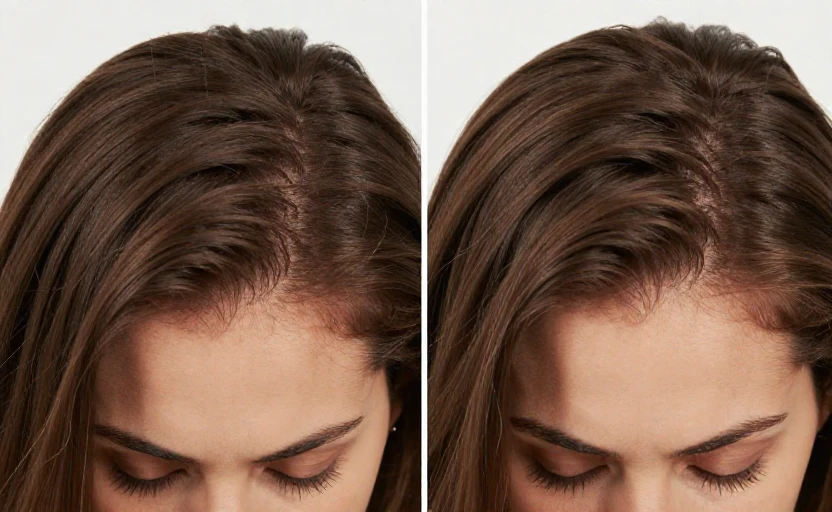
Unlike genetic hair loss, which often follows a predictable pattern like a receding hairline or crown thinning, diet-related thinning tends to be more diffuse. You might notice a general decrease in volume all over your scalp, rather than hair loss concentrated in specific areas. The hair itself may change, becoming drier, more brittle, or losing its luster well before it sheds.
This type of thinning often feels sudden or accelerated. You may experience a noticeable increase in daily shedding—more strands on your pillow, in the shower drain, or coming out easily when you run your hands through your hair. It’s a systemic signal that your body is missing key resources.
When nutrition is the culprit, your hair and scalp often send signals beyond just shedding. Pay attention to changes in texture, strength, and growth.
Key warning signs your diet may be the cause
Certain physical clues can strongly suggest a nutritional gap is behind your hair concerns. These signs frequently appear alongside the increased shedding.
Changes in hair texture and strength: Hair that becomes unusually dry, brittle, or straw-like can indicate deficiencies in essential fats, protein, or certain vitamins. You might find more split ends or hair that breaks easily with gentle styling.
Sluggish growth or difficulty growing length: If your hair seems to have stalled, barely gaining length month after month, it could be a sign your follicles aren’t receiving the nutrients they need to sustain the active growth phase.
Other bodily cues often accompany it: Hair follicles are not isolated. Notice if you’re also experiencing persistent fatigue, brittle nails, pale skin, or a general lack of energy. These can be companion signs of the same nutritional deficiencies affecting your hair.
The essential nutrients for hair growth (and where to find them)
Hair is a complex structure, and its growth cycle depends on a steady supply of specific nutrients. Chronic shortages in any of these can disrupt the process.
- Protein: Hair is primarily made of keratin, a protein. Inadequate protein intake can force hair into a resting phase, leading to shedding months later. Think beyond just meat—lentils, beans, eggs, and Greek yogurt are excellent sources.
- Iron: This mineral helps red blood cells carry oxygen to your scalp and hair follicles. Low iron levels (even without full anemia) are a well-documented cause of hair loss, especially in women. Find it in spinach, lentils, red meat, and pumpkin seeds.
- Zinc: Zinc plays a role in hair tissue growth and repair. A deficiency can directly lead to hair shedding. Oysters are famously rich in zinc, but it’s also present in beef, chickpeas, and nuts.
- B Vitains (Biotin, B12): Biotin is famous for its role in keratin production. While true deficiency is rare, ensuring adequate intake supports hair strength. B12, crucial for cell formation and energy, is found in animal products. For both, eggs, salmon, and almonds are smart choices.
- Vitamin D: Emerging research suggests vitamin D receptors help stimulate new hair follicles. Low levels have been linked to alopecia. Your body makes it from sunlight, and it’s in fatty fish and fortified foods.
How to approach the situation
If you suspect your diet might be a factor, the next steps are about gentle investigation and support, not drastic overhauls.
Start by taking an honest look at your recent eating patterns. Have you been skipping meals, following a very restrictive diet, or cutting out entire food groups? Even a few months of poor nutrition can manifest in hair thinning.
Focus on building a nutrient-dense plate rather than chasing single “miracle” foods. Aim for a variety of colorful vegetables, quality proteins, healthy fats, and whole grains. This approach naturally increases your intake of the hair-supporting nutrients listed above.
Before considering supplements, try to fill gaps with food first. If you have significant concerns, especially about iron or vitamin D, a conversation with a healthcare provider is wise. They can check for deficiencies through simple tests and provide personalized guidance.
Your hair’s condition is a reflection of your internal health. While genetics set the stage, nutrition writes a significant part of the script. By recognizing the distinctive signs of diet-related thinning and nourishing your body with the right building blocks, you create an environment where your hair can thrive.