That persistent itch and flaking on your scalp can be frustrating. While it’s easy to chalk it up to simple dryness—especially in winter or with certain hair routines—sometimes your body is trying to tell you something more specific. The distinction matters because treating a reaction with a standard moisturizing treatment can sometimes make it worse. Understanding the subtle clues can help you address the root cause more effectively and find real relief.
Here’s how to tell if your dry scalp might actually be a sign of irritation or an allergic reaction, and what that means for your next steps.
How is a reaction different from simple dryness?
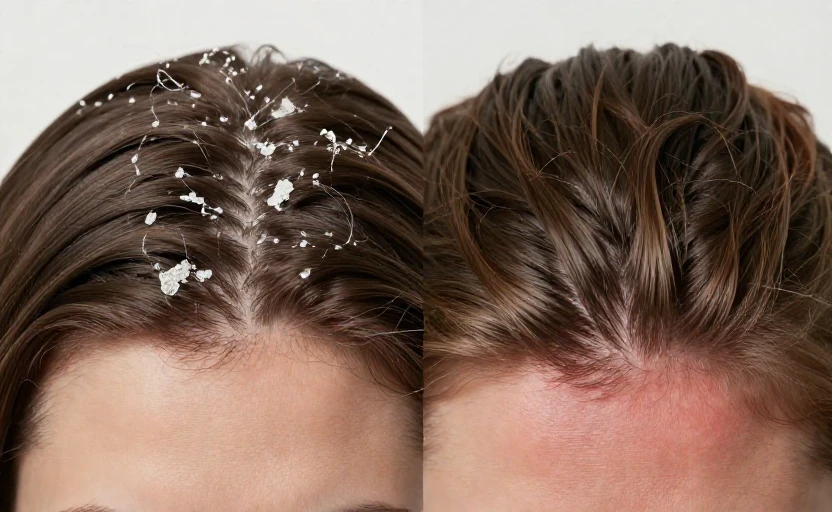
Think of a dry scalp as a lack of moisture. It can feel tight, look a bit flaky with small, white scales, and often improves with consistent hydration. A reaction, on the other hand, is your skin’s immune system or sensory nerves responding to a trigger. This could be an irritant (like a harsh shampoo stripping your skin) or an allergen (a specific ingredient your body mistakenly identifies as a threat). The response is often more intense and involves inflammation.
While both can cause flaking and discomfort, a reactive scalp is sending distinct signals that go beyond just needing a drink of water.
Signs your scalp is reacting, not just dry
Pay attention to these patterns. One sign alone might not be conclusive, but a combination of several strongly suggests a reaction.
1. The itch is intense and persistent
A dry scalp can be itchy, but the itch from a reaction often feels more urgent, prickly, or even burning. It might come on suddenly or intensify shortly after using a new product. You might find it hard to ignore, leading to scratching that can cause redness and even small sores.
If the itch feels like a prickly, burning sensation rather than a mild annoyance, consider it a red flag.
2. Flakes are accompanied by redness or rash
Take a close look at your scalp, perhaps with a mirror and good lighting. Simple dryness typically shows white or greyish flakes on a normal-colored scalp. A reaction often presents with visible redness, pink patches, or even a bumpy rash alongside the scaling. The skin itself may look inflamed or feel warm to the touch.
3. Symptoms appear or worsen after a specific change
Timing is a major clue. Did the problem start or escalate after you introduced a new shampoo, conditioner, hair dye, or styling product? What about after switching your laundry detergent for pillowcases? If you can trace the onset to a new product or environmental factor, it points strongly toward a reaction to that specific trigger.
4. You experience tenderness or a burning sensation
A dry scalp might feel tight, but it shouldn’t be painful. If your scalp feels tender, sore, or stings—especially when you touch it or apply products—that’s a sign of inflammation, which is a hallmark of a reaction. This sensation can occur even without intense visible flaking.
5. Flakes are yellow or greasy, not dry and white
This is a key visual differentiator. Classic dry scalp produces small, white, powdery flakes that tend to fall off easily. Flakes associated with seborrheic dermatitis (a common inflammatory condition often mistaken for dryness) or certain reactions can appear yellowish, oily, or waxy and may cling to the scalp or hair.
Common triggers for scalp reactions
If the signs point to a reaction, the next question is: to what? Common culprits include:
- Hair care ingredients: Sulfates (like SLS), certain preservatives (like methylisothiazolinone), fragrances, and alcohols can be irritants or allergens.
- Hair dyes: Especially those containing paraphenylenediamine (PPD).
- Environmental factors: Hard water, pollution, or extreme weather can irritate a sensitive scalp.
- Stress: It can exacerbate inflammatory conditions, making a reactive scalp worse.
- Underlying skin conditions: Conditions like seborrheic dermatitis, psoriasis, or eczema primarily affect the scalp and cause reactive symptoms.
What to do if you suspect a reaction
Your approach should shift from simple moisturizing to soothing and investigating.
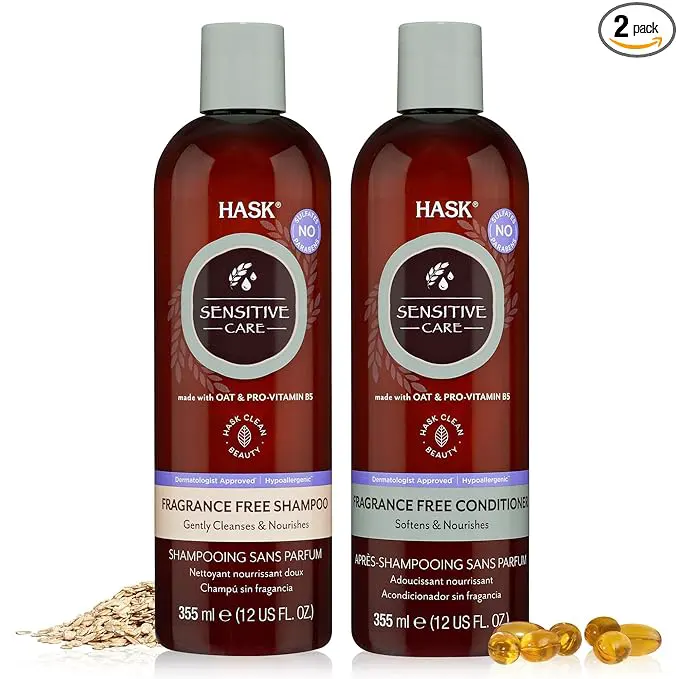
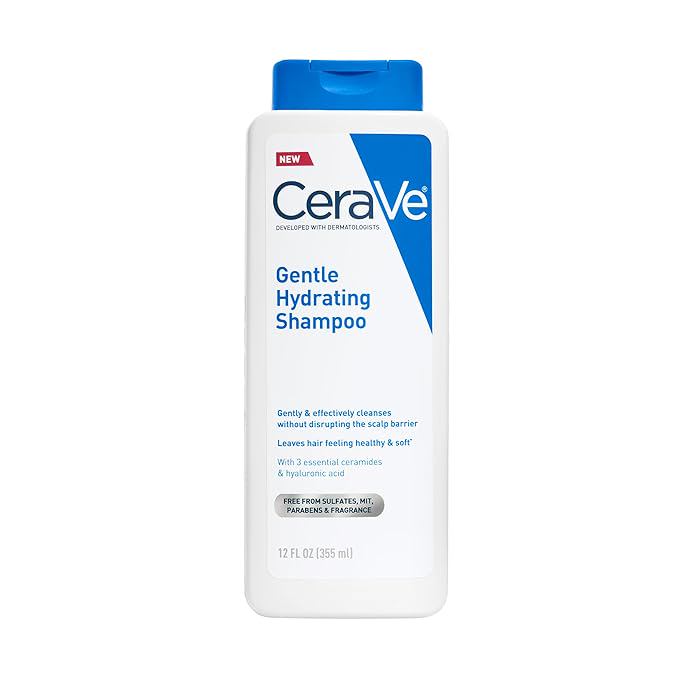
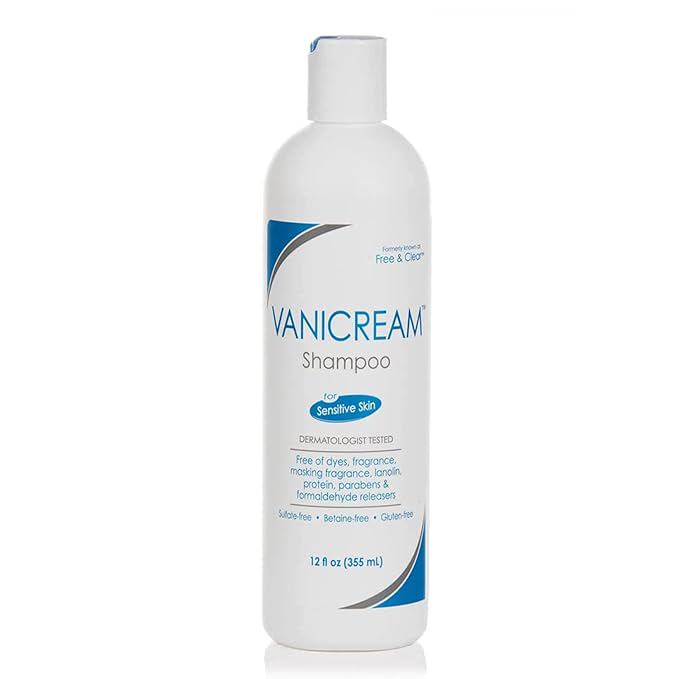
- Pause new products. Go back to a very simple, fragrance-free routine with products you’ve used for a long time without issue.
- Be gentle. Wash with lukewarm water, avoid vigorous scrubbing, and pat your scalp dry instead of rubbing.
- Look for soothing ingredients. In your haircare, seek out products with calming agents like aloe vera, colloidal oatmeal, or squalane.
- Consider a professional opinion. If symptoms are severe, persistent, or you see signs of infection (like oozing or crusting), consulting a dermatologist is the best course. They can provide a precise diagnosis—whether it’s contact dermatitis, seborrheic dermatitis, or another condition—and recommend targeted treatment.
Listening to your scalp’s specific language is the first step toward calming it. Recognizing the difference between a need for moisture and a cry of irritation empowers you to choose the right path to comfort and health.