
Self-care is meant to be a sanctuary, a practice that refuels us against life's demands. But what happens when the very rituals designed to protect our energy start to drain it instead? When our routine becomes another rigid item on a never-ending to-do list, it can subtly shift from being restorative to being a source of exhaustion. This isn't about abandoning self-care, but about learning to recognize when its form has become counterproductive.
The goal is sustainable nourishment, not performative perfection. By tuning into two key warning signs, you can assess whether your self-care is genuinely serving you or secretly contributing to burnout.
When your routine feels like a mandatory performance
Genuine self-care should feel like a choice, even a gentle invitation. The first major red flag is when it begins to feel obligatory, laden with rules and a sense of "should." You might find yourself scrolling through social media, comparing your simple evening to someone else's elaborate ritual, and feeling a pang of inadequacy. This turns self-care into a performance, where the measure of success is external validation rather than internal peace.
Ask yourself: Does skipping a step in your skincare routine or missing a planned meditation session lead to guilt or self-criticism? If the answer is yes, the practice has likely morphed into a pressure-filled chore. The intention has shifted from "This feels good for me" to "I must do this to be okay."
True self-care is flexible. It adapts to your energy levels on a given day, not the other way around.
This performative aspect often shows up as rigidity. The routine must be done at a specific time, in a specific order, for a specific duration. While structure can be helpful, an inflexible structure breaks under the weight of real life. When a busy day or low mood makes your usual routine feel impossible, it should be acceptable to choose a simpler, more accessible form of care—a five-minute breathing space instead of an hour-long yoga class, for instance. If you can't permit that adaptation without guilt, the routine is controlling you.
When it adds more to your plate than it takes away
The second warning sign is more practical: your self-care routine is becoming a significant time and energy commitment that creates more stress than it alleviates. This often happens when we over-complicate our practices, adding more steps, products, and activities in pursuit of a mythical "optimal" state of wellness.
Consider the logistics. Does preparing for your routine—gathering special equipment, driving to a location, following a complex multi-step process—feel like a project in itself? Does the thought of fitting it in create scheduling anxiety? If your wind-down routine requires 90 minutes you don't have, it's not a wind-down; it's a wind-up.
This can manifest in a few ways:
- Financial strain: Feeling pressured to purchase the latest wellness gadgets, supplements, or apparel to "do it right."
- Decision fatigue: Spending mental energy choosing between ten different meditation apps or crafting the perfect adaptogenic latte, leaving you more frazzled than when you started.
- Time poverty: Sacrificing sleep or other essential rest to complete your self-care checklist.
When the effort expended outweighs the sense of restoration gained, the equation is off. Self-care should simplify and soothe, not become another complex problem to solve.
Shifting from burnout routine to genuine renewal
Recognizing these signs is the first step. The next is gently reshaping your approach. The core principle is to prioritize feeling over doing. Instead of asking "Did I complete all the steps?" ask "Do I feel more resourced now than I did before?"
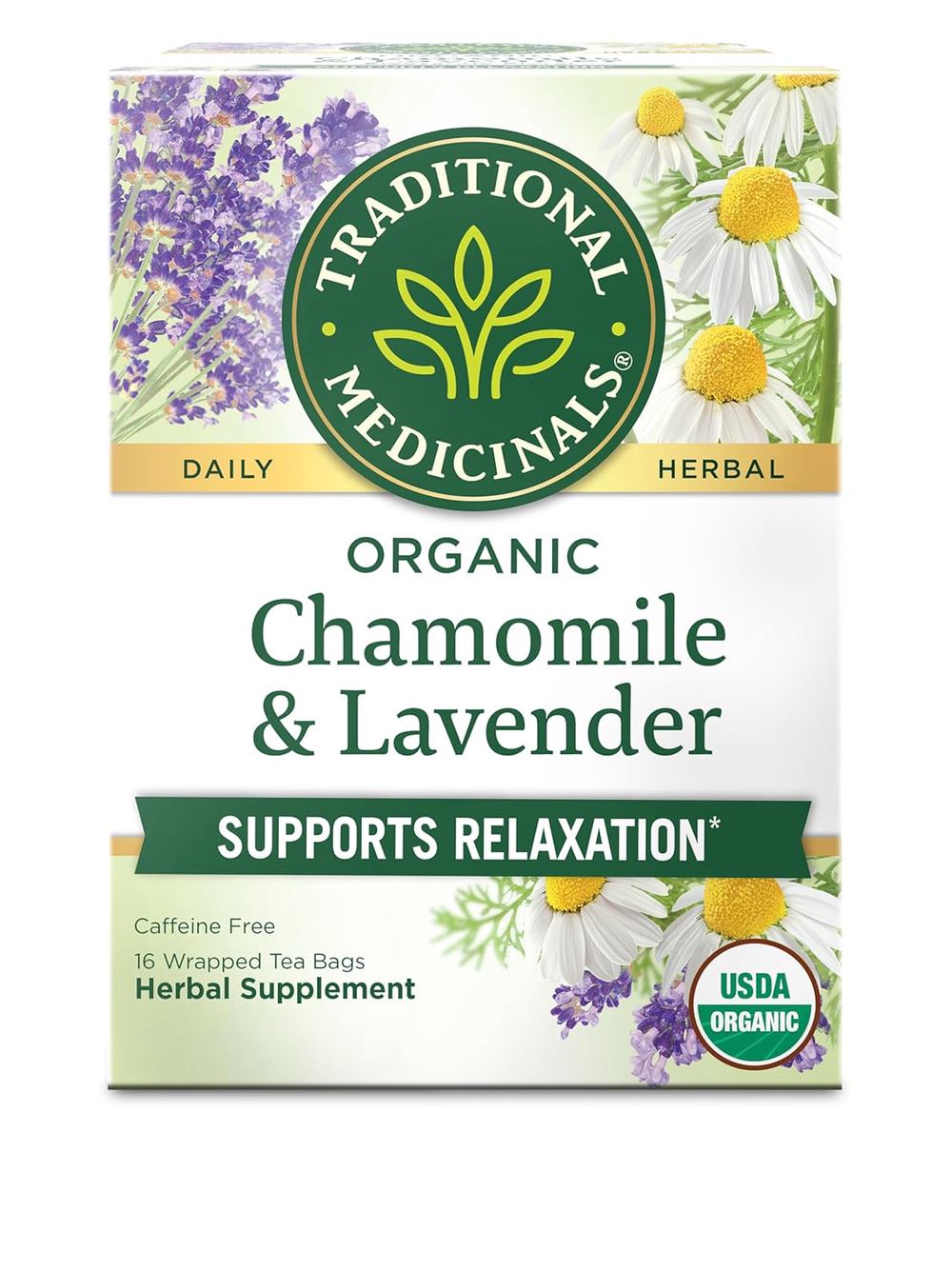
Start by identifying one or two practices that consistently leave you feeling genuinely lighter, calmer, or more grounded—even if they seem too simple. It might be sipping tea while looking out the window, a short walk without headphones, or simply sitting in silence for a few moments. Protect the essence of those practices, and give yourself full permission to let the rest go.
Embrace imperfection and adaptability. Some days, your best self-care might be ordering takeout and going to bed early. That's not failure; it's intelligent responsiveness to your needs. The most sustainable self-care is often the quietest—the small, non-negotiable pauses that reconnect you to yourself without fanfare or fuss. It’s about building a compassionate relationship with your own needs, not building a perfect routine.