Mornings can feel like a race, especially when you’re navigating a gluten-free diet. The thought of cooking a safe, satisfying breakfast from scratch every day can be enough to push you toward skipping the meal altogether. But a nourishing start doesn’t have to be a time-consuming chore. With a bit of strategic planning, you can transform your morning routine from frantic to peaceful.
The secret lies in shifting your thinking from daily cooking to weekly preparation. By dedicating a small window of time—often just an hour or two on a weekend—you can assemble the building blocks for a week’s worth of effortless, gluten-free breakfasts. It’s about working smarter, not harder, to ensure you have delicious, safe options ready when you need them most.
Start with a solid weekly plan
Before you even step into the kitchen, take ten minutes to decide what your breakfasts will look like for the coming week. This simple act prevents decision fatigue at 7 a.m. and ensures your grocery trip is focused. Aim for a mix of textures and flavors to keep things interesting: perhaps a warm, savory option for two days, a chilled make-ahead option for two, and a quick-assembly choice for the fifth.
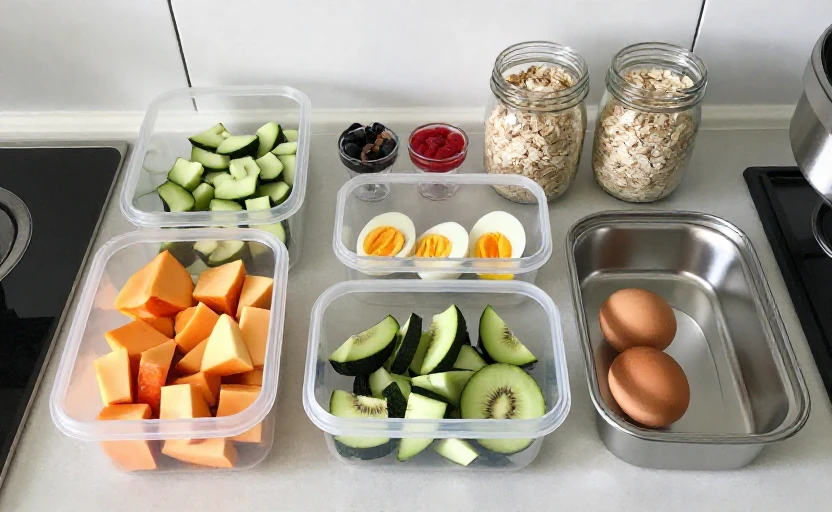
Your meal prep session is for preparing components, not necessarily plating full meals. Think in terms of versatile building blocks.
When planning, consider your schedule. If your Wednesday is always rushed, designate that as a "grab-and-go" day with a pre-portioned smoothie pack or breakfast bar. A calmer Thursday might be for reheating a prepared egg bake. This realistic planning is what makes the system stick.
Master the batch-cook basics
Certain gluten-free staples are perfect for cooking in larger quantities and storing for the week. These become your foundational ingredients, ready to be customized each morning.
Grains: Cook a big batch of certified gluten-free oats, quinoa, or millet. Once cooled, store them in the refrigerator. In the morning, you can quickly reheat a portion with milk or water, adding fresh fruit, nuts, and a drizzle of maple syrup. Overnight oats are the ultimate prep-ahead: simply combine raw gluten-free oats with your choice of milk and mix-ins in a jar, let it sit overnight, and it’s ready to eat cold.
Proteins: Hard-boil a dozen eggs for a ready-to-eat protein source. You can also whisk and bake a tray of egg muffins or a simple frittata with diced vegetables. Once cooled, these keep well in the fridge for easy reheating.
Assemble now, enjoy later
This is where you truly save morning minutes. Use your prep time to put together complete breakfasts that just need to be grabbed or given a quick heat.
- Smoothie Packs: Portion all your solid smoothie ingredients—like frozen fruit, spinach, and chia seeds—into individual freezer bags or containers. In the morning, dump the pack into your blender, add your liquid, and blend.
- Breakfast Parfaits: Layer gluten-free yogurt with pre-chopped fruit and a sprinkle of gluten-free granola in a portable jar. The granola stays crunchy if stored separately in a small bag on top until you’re ready to eat.
- Freezer-Friendly Waffles or Pancakes: Make a double batch of your favorite gluten-free batter on the weekend. Cook, let the waffles or pancakes cool completely, then freeze them in a single layer on a baking sheet before transferring to a freezer bag. Reheat in the toaster for a fast, hot breakfast.
Smart storage is everything
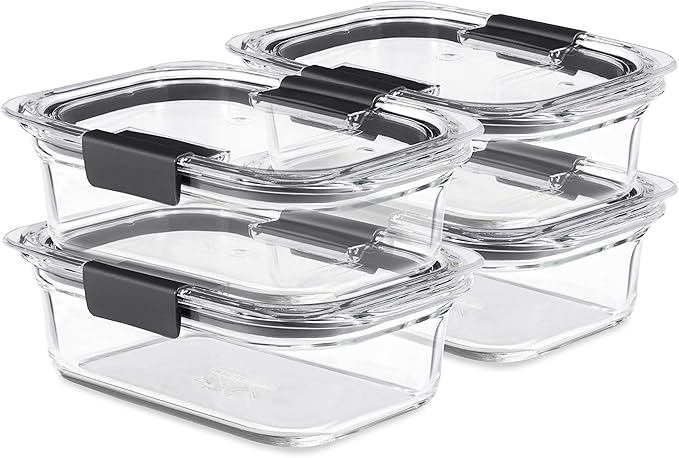
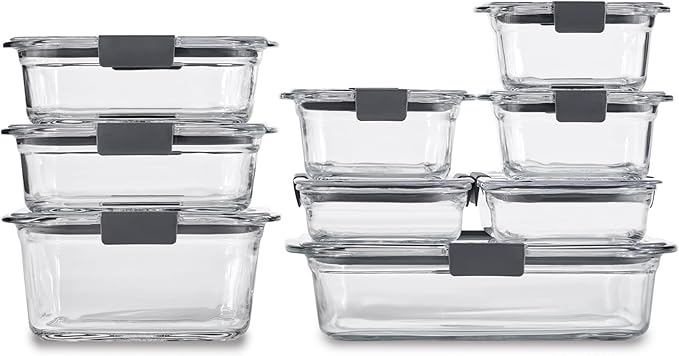
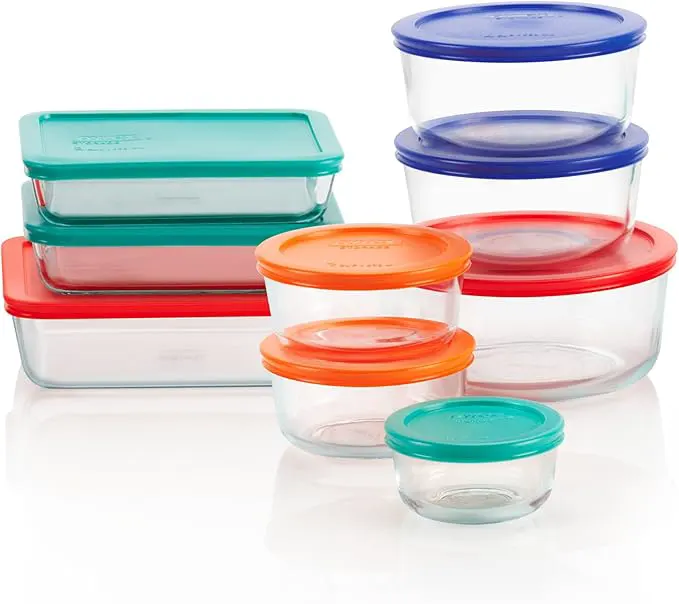
Your prep work is only as good as your storage system. Use clear glass or BPA-free containers so you can easily see what’s inside. Label containers with the contents and date to keep track of freshness.
Organize your refrigerator with breakfast items in one designated area, making the morning grab effortless. For freezer items, consider a specific bin for breakfast foods like smoothie packs, waffles, or pre-cooked sausage.
Keeping your kitchen safe
For those with celiac disease or gluten sensitivity, avoiding cross-contact is as important as the prep itself. Dedicate a few key tools—like a cutting board, colander, and toaster—for gluten-free use only. Wipe down counters thoroughly before starting your prep, and use clean utensils when scooping out of shared containers like jam or butter to prevent crumbs from getting in.
Always double-check labels on every ingredient you use, from oats to spices, as formulations can change. A peaceful, gluten-free morning begins with confidence in your kitchen’s safety.
Ultimately, gluten-free breakfast meal prep is a gift you give to your future self. It turns what can be a stressful part of the day into a simple, nourishing routine. With these strategies, you’ll spend less time scrambling in the kitchen and more time enjoying a safe, delicious start to your day.