You brush your hair, style it, and try to keep it looking its best, but those telltale frayed ends keep appearing. Split ends aren't a sign of poor care; they're often the unintended result of our daily styling routines. The good news is that by understanding what causes them, you can adjust your habits to prevent them and learn how to manage the splits you already have.
Hair is most vulnerable when it's wet, as the strands swell and the protective cuticle lifts. It's also susceptible to damage from heat, friction, and mechanical stress. The cumulative effect of these forces is a frayed, weakened hair shaft that eventually splits. Let's look at the common styling habits that contribute to this and the practical fixes you can adopt.
Brushing and Combing: The Right Way and the Wrong Way
Starting at the roots and yanking a brush or comb through tangled hair is a primary culprit. This creates immense tension on the strands, especially when wet, leading to breakage and splits along the length.
Always start detangling from the ends, working your way up slowly to the roots.
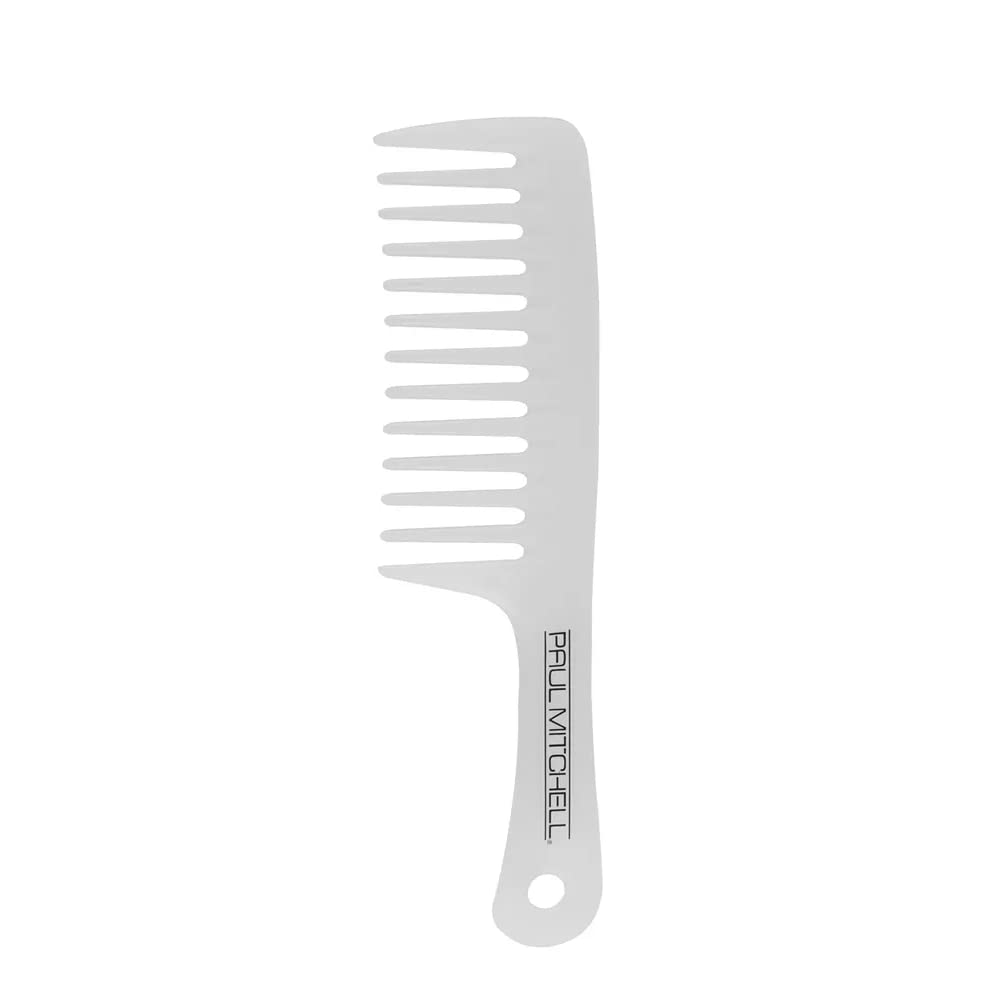
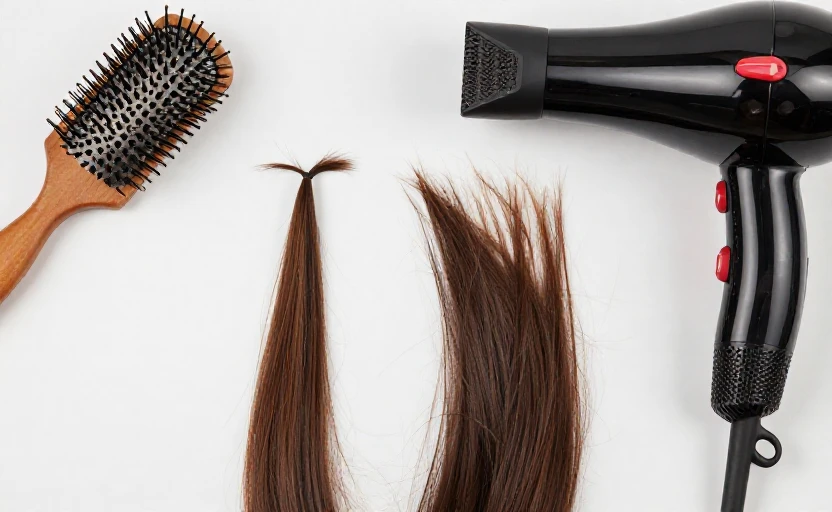
Using the wrong tools accelerates damage. Sharp, fine-toothed combs or stiff-bristled brushes can snag and tear. Opt for a wide-tooth comb for wet hair and a brush with flexible, ball-tipped bristles or natural fibers for dry hair. Be gentle—your goal is to guide the hair, not conquer it.
The Heat Styling Trap
Regular use of hot tools—flat irons, curling wands, and blow dryers—is a fast track to dehydrated, brittle ends. The extreme heat literally boils the moisture inside the hair shaft, leaving it parched and prone to splitting.
The fix isn't necessarily to abandon heat altogether, but to use it intelligently. Always apply a heat protectant spray or cream first; it creates a barrier that helps distribute heat more evenly. Use the lowest effective temperature setting, and never apply a hot tool to soaking wet hair. When blow-drying, keep the dryer moving and use a concentrator nozzle to direct airflow, finishing with a blast of cool air to help seal the cuticle.
Rough Drying and Towel Trauma
Vigorously rubbing your hair with a regular bath towel after washing creates friction that roughs up the cuticle and causes tiny splits. The coarse fibers of a terry cloth towel are surprisingly abrasive.
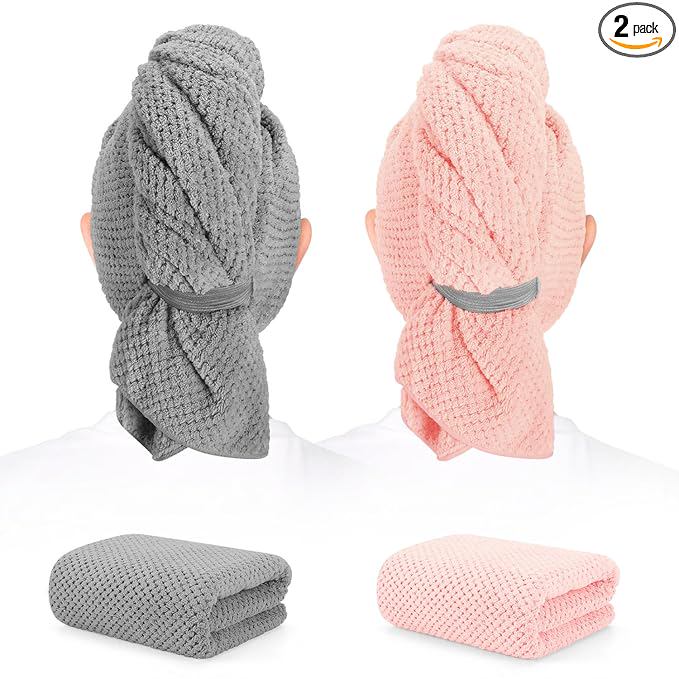
Switch to a gentler drying method. The best approach is to gently squeeze out excess water with your hands, then wrap your hair in a microfiber towel or an old, soft cotton t-shirt. These materials absorb water efficiently with minimal friction. Let it sit for 10-15 minutes before air-drying or proceeding with heat styling.
Chemical Processing and Over-Washing
While not strictly a daily "styling" habit, chemical treatments like coloring, bleaching, and perming fundamentally weaken the hair's structure, making the ends exceptionally fragile and likely to split. Similarly, washing hair too frequently with harsh shampoos can strip away its natural oils, leaving it dry and vulnerable.
If you color or chemically treat your hair, invest in a regimen of deep conditioning treatments and bond-building products designed for repaired hair. Extend time between washes if possible, and use a sulfate-free, moisturizing shampoo focused on the scalp, letting the suds clean the lengths as they rinse through.
How to Deal with Existing Split Ends
Once a hair strand splits, it cannot be permanently fused back together with a product. Serums, oils, and leave-in conditioners can temporarily coat the frayed ends, smoothing them together and improving appearance for a short while. This is a great temporary fix to reduce frizz and add shine.
The only definitive cure for a split end is to cut it off.
Regular trims are non-negotiable for healthy hair. They prevent a single split from traveling up the hair shaft and causing more breakage. Aim for a small trim every 8-12 weeks to maintain your length while removing damage. For a more hands-on approach, you can carefully search-and-destroy individual splits with sharp hair shears, but this is best for maintaining between professional cuts.
Ultimately, managing split ends is about a shift in perspective: from aggressive styling to protective grooming. Your hair will thank you for the gentler touch.