
If you or a loved one lives with diabetes, you have likely heard the term "diabetic retinopathy" during a check-up. It sounds clinical, maybe a little frightening. But understanding what actually causes this eye condition—how it starts and why it progresses—is the first step toward protecting your vision. Let’s walk through the three primary drivers behind diabetic retinopathy, stripped of jargon and grounded in the everyday reality of managing blood sugar.
1. How chronic high blood sugar damages the retina
The single most significant factor in diabetic retinopathy is persistently elevated blood glucose. When sugar levels run high over months and years, excess glucose molecules begin to attach to proteins in your blood vessels. This process, known as glycation, makes the walls of the tiny capillaries in your retina stiff and fragile. Over time, these damaged vessels start to leak fluid and blood into the surrounding retinal tissue. Think of it like a garden hose left under too much water pressure—eventually, the hose develops weak spots and begins to seep. That leakage causes swelling in the macula, the part of the retina responsible for sharp central vision, and it creates the first stage of the condition, called non-proliferative diabetic retinopathy.
2. The role of high blood pressure and circulation strain
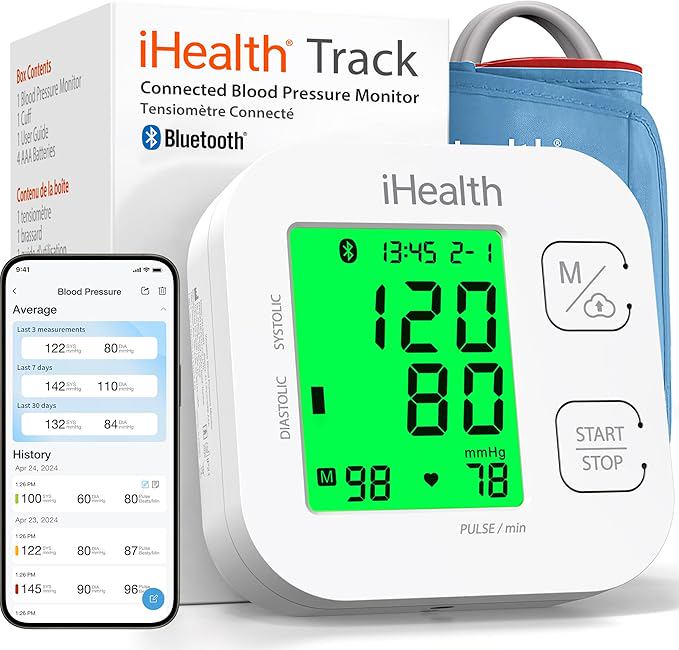
Many people with diabetes also deal with high blood pressure, and the combination is especially tough on the eyes. Elevated blood pressure adds extra force against already fragile retinal vessels. This can speed up the leakage mentioned above and make the vessels narrow or close off entirely. When blood flow to parts of the retina is cut off, the eye tries to compensate—and that is where things get complicated.
Think of high blood pressure as pouring gasoline on a small fire. It doesn't start the problem, but it makes it burn faster and hotter.
Keeping both blood pressure and blood sugar within a healthy range is one of the most protective steps you can take. The retina is one of the most metabolically active tissues in the body—it needs a steady, gentle blood supply, not a flood or a trickle.
3. Abnormal new vessel growth (proliferative phase)
When retinal capillaries become blocked for too long, the eye sends out distress signals in the form of proteins called vascular endothelial growth factors, or VEGF. These signals trigger the growth of brand-new blood vessels. At first glance, this sounds helpful—the body trying to fix a blood shortage. But these new vessels are abnormal. They are thin, fragile, and grow haphazardly along the retina and into the vitreous humor, the clear gel that fills the eye. Because they are so weak, they bleed easily. This bleeding can cause sudden dark spots or floaters in your vision. In advanced cases, scar tissue from these vessels can tug on the retina, leading to a retinal detachment—a medical emergency. This advanced stage is called proliferative diabetic retinopathy.
Why early stages often have no symptoms
One tricky aspect of diabetic retinopathy is the quiet nature of its early phase. You can have leaking blood vessels without noticing any vision changes. The brain is good at filling in small gaps in your visual field, so you might not realize there is a problem until the leakage reaches the center of your vision. This is why regular, dilated eye exams are non-negotiable for anyone with diabetes. An ophthalmologist can detect tiny bulges in the blood vessels, called microaneurysms, long before you notice anything wrong.
What you can do: monitoring and prevention
While this breakdown of causes may sound serious, the encouraging news is that the progression of diabetic retinopathy can often be slowed—or even halted—with consistent management. The same measures that protect your kidneys and nerves also protect your eyes. Keeping your A1C under the target your doctor sets, managing blood pressure below 130/80 mm Hg if that is your goal, and paying attention to cholesterol levels all reduce the strain on retinal vessels. If you smoke, quitting is one of the most effective things you can do. Smoking constricts blood vessels, which worsens oxygen delivery to the retina and accelerates damage.
No single cause acts alone
It is important to understand that these three causes—chronic high blood sugar, high blood pressure, and the abnormal vessel growth they trigger—are not isolated. They feed into one another. High sugar damages vessels, high pressure stresses them further, and the combination eventually forces the eye into overcompensating with faulty new vessels. Viewing them as a chain reaction rather than separate issues helps make sense of why your doctor emphasizes so strongly the daily habits of checking glucose, taking medication as prescribed, and staying active.
If you have diabetes, you already have a lot on your plate. But knowing specifically what is happening inside your eyes—and why—can replace vague worry with targeted action. Schedule that eye exam. Keep a log of your blood pressure readings. Talk to your care team about your A1C target. Your vision is worth the focused effort.