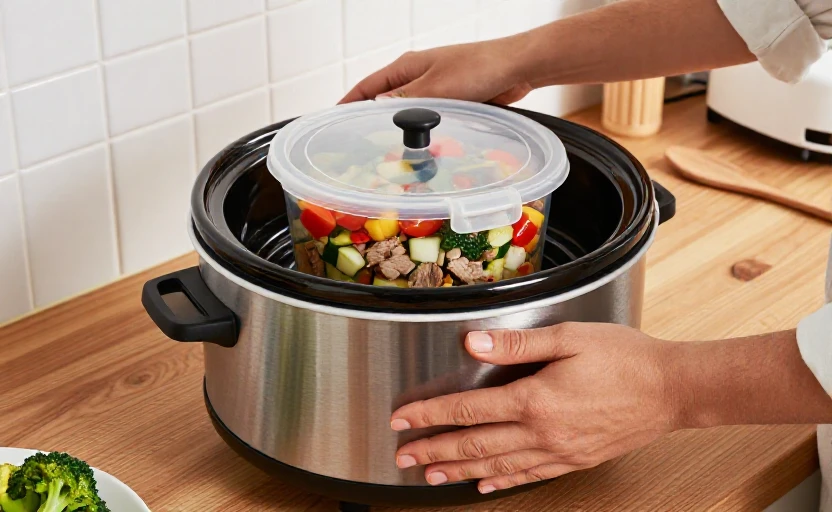
Imagine walking into your kitchen at the end of a long day to the warm, welcoming aroma of a meal that’s ready to serve. No frantic chopping, no last-minute scrambling, no temptation to order takeout. This isn’t a fantasy reserved for weekends; it can be your everyday reality with a single, simple habit. The secret to truly effortless slow cooker dinners isn’t a magical recipe—it’s a consistent, time-saving routine done in advance.
That habit is prep-ahead assembly. It’s the practice of gathering and preparing your ingredients for the slow cooker in a dedicated container, ready to be dumped in and turned on when you need it. This small shift in process transforms the slow cooker from a sometimes-useful appliance into the most reliable member of your kitchen team.
Why Prep-Ahead Changes Everything
Most of us think of slow cookers as a morning task: chop, add, set, and forget until dinner. But mornings can be chaotic. Forgetting an ingredient, not having time to brown meat, or simply lacking the mental energy to assemble a recipe can derail the plan before the day even begins.
Prep-ahead assembly moves that decision point to a calmer moment—perhaps after cleaning up from one dinner, or during a quiet weekend afternoon. You’re not cooking twice; you’re simply doing the organizational legwork once. The benefits are immediate:
- Eliminates the morning rush: No more bleary-eyed chopping. Your future self will thank you.
- Reduces decision fatigue: The “what’s for dinner?” question is answered days in advance.
- Minimizes cleanup: You contain the prep mess to one session, often using the same container you’ll store the ingredients in.
- Makes healthy choices automatic: When a wholesome meal is literally waiting in your fridge, you’re far less likely to opt for less nutritious alternatives.
The goal isn't to cook every meal in advance, but to make the start of cooking require zero thought or effort.
How to Build Your Prep-Ahead System
This habit works because it’s systematic, not sporadic. Here’s how to make it stick.
1. Choose the Right Recipes
Not every recipe is an ideal candidate. Look for dishes where ingredients can be stored together for 24-48 hours without compromising texture or flavor. Stews, chilis, braised meats, soups, and curries are perfect. Avoid recipes where delicate vegetables (like zucchini or fresh herbs) would become mushy or wilted; add those later during the final cook.
2. Invest in Your Assembly Station
Your toolkit is simple but crucial:
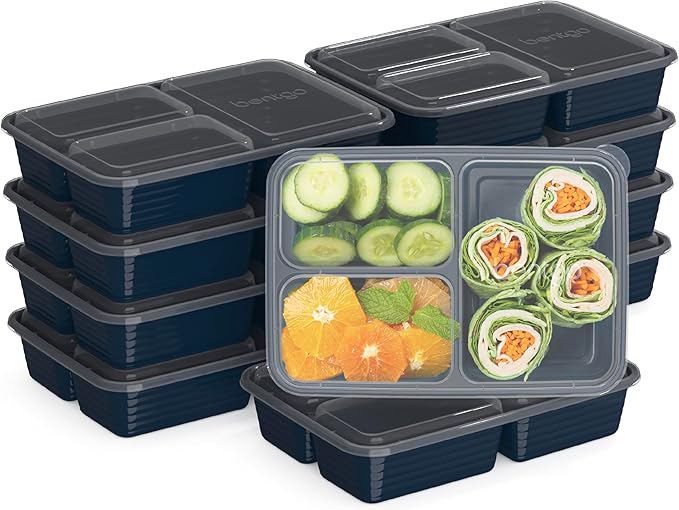
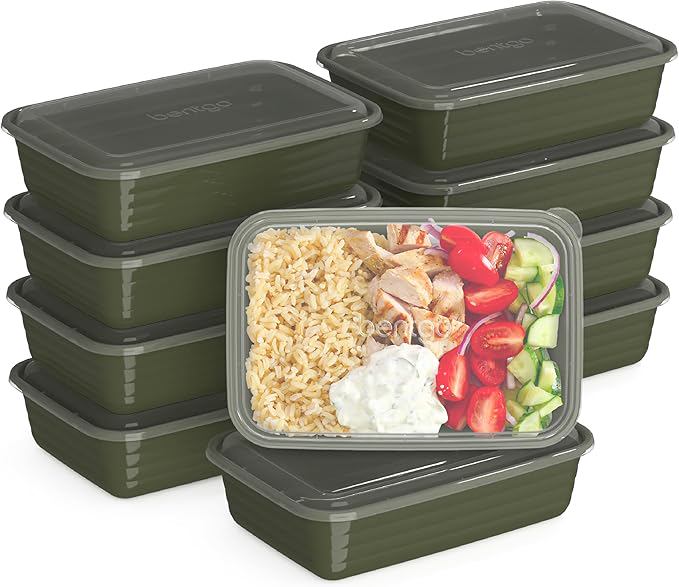
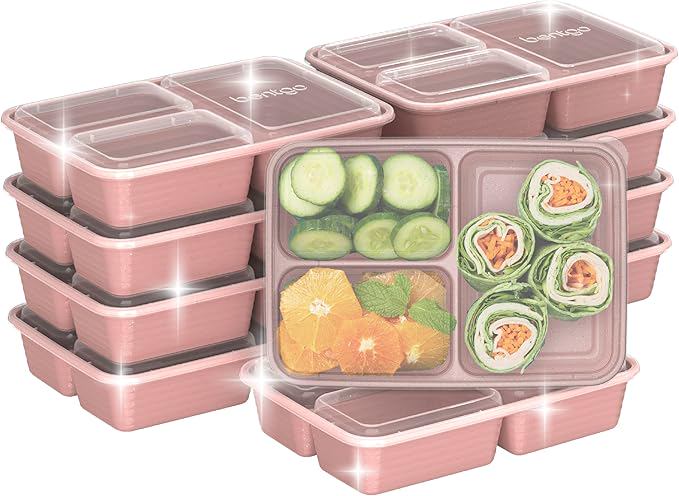
- A set of large, airtight containers or gallon-sized freezer bags: These are your “meal kits.” Glass containers let you see what’s inside, while freezer bags are space-efficient.
- A permanent marker: Always label with the recipe name, date, and any last-minute additions (e.g., “Add 1 cup broth”).
- A dedicated shelf in your fridge or freezer: Visibility is key. Keep your prepped kits front and center.
3. Master the Prep Session
This is where you reclaim hours during your week. Set aside 60-90 minutes, perhaps on a Sunday. Work in an assembly-line fashion:
- Review recipes and pull all ingredients. Do this first to avoid mid-prep discoveries of missing items.
- Chop all vegetables at once. Dice onions, carrots, and celery for multiple recipes in one go.
- Brown any meats in bulk. If your recipe calls for browned ground beef or sausage, do it all at once and divide it among your containers.
- Assemble each “kit” in its container. Add the prepped ingredients, along with any canned goods (tomatoes, beans), spices, and sauces. If using a bag, squeeze out excess air before sealing.
- Label clearly and store. Most assemblies will keep for 2 days in the fridge. For longer storage, freeze them. A frozen kit can often go straight into the slow cooker, though you may need to add 30-60 minutes to the cooking time.
Three Go-To Prep-Ahead Slow Cooker Ideas
To get you started, here are three versatile foundations. Each is designed to be assembled ahead and stored in the fridge for up to two days.
Hearty Beef & Vegetable Stew Kit
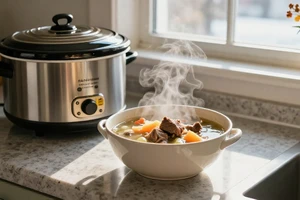
In your container, combine: 1.5 lbs cubed stew beef, 3 chopped carrots, 2 chopped celery stalks, 1 chopped onion, 3 minced garlic cloves, 2 tbsp tomato paste, 1 tsp dried thyme, 1 tsp smoked paprika, salt, and pepper. On cook day: Dump into slow cooker, add 4 cups beef broth and 2 bay leaves. Cook on low for 8 hours.
Simple White Chicken Chili Kit
In your container, combine: 1.5 lbs boneless chicken thighs or breasts, 1 chopped onion, 2 minced garlic cloves, 1 chopped jalapeño (seeds removed), 2 tsp ground cumin, 1 tsp oregano, 1 can (4 oz) diced green chiles. On cook day: Dump into slow cooker, add 3 cups chicken broth. Cook on low for 6-7 hours. Shred chicken, stir in 1 can of drained white beans and 1 cup frozen corn during the last 30 minutes.
Lentil & Sweet Potato Curry Kit
In your container, combine: 1 cup brown lentils (rinsed), 1 large sweet potato (cubed), 1 chopped onion, 1 tbsp grated ginger, 3 minced garlic cloves, 2 tbsp curry powder, 1 tsp turmeric, 1 can (14 oz) diced tomatoes. On cook day: Dump into slow cooker, add 1 can (14 oz) coconut milk and 1 cup vegetable broth. Cook on low for 6-7 hours. Stir in a handful of spinach before serving.
Making the Habit Stick
The beauty of this system is its flexibility. Start by prepping just one dinner kit for the coming week. Notice how that one act creates a pocket of calm on a busy weeknight. Gradually, you might build a small library of 2-3 kits in your freezer, giving you choices and a profound sense of preparedness.
This time-saving habit turns intention into action. It places a barrier between a hectic day and the need for a nourishing meal. By doing the thinking and the chopping ahead of time, you grant yourself the gift of ease when you need it most, making wholesome, effortless slow cooker dinners a simple, sustainable part of your life.