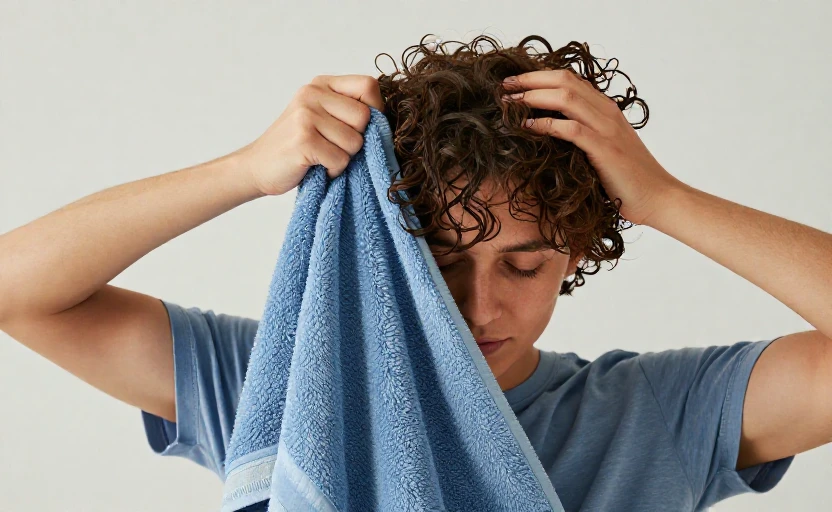
If you’re dealing with an itchy scalp and your curls feel perpetually parched, you might be chasing solutions in all the wrong places. The answer could be hiding in plain sight, tied to a styling habit you perform almost without thinking. For many with curly and coily hair textures, the culprit isn’t a lack of product, but a routine step meant to help: the way you dry your hair.
Specifically, the common practice of vigorously rubbing wet hair with a terry cloth towel can be a primary source of irritation and damage. This friction doesn’t just create frizz; it can lift cuticles, cause breakage, and aggravate a sensitive scalp, leading to that persistent itch.
Why Towel-Rubbing Is Tough on Curls and Scalps
Curly hair is more fragile when wet. Its structure creates natural weak points along the hair shaft, making it susceptible to damage. A standard bath towel, with its looped, absorbent texture, is designed for your skin, not your hair. When you rub, those loops catch on the raised cuticles of your curls, creating significant friction.
This action has a domino effect. It roughs up the hair’s outer layer, allowing precious moisture to escape, which leaves hair dry and prone to frizz. For the scalp, the tugging and rubbing can disrupt the skin’s barrier, cause micro-inflammations, and worsen existing dryness or conditions like seborrheic dermatitis. The result is often that telltale, maddening itch.
Think of your wet curls like a delicate silk blouse. You wouldn’t twist and wring it dry—you’d gently press the water out. The same principle applies here.
A Gentler Alternative: The T-Shirt or Microfiber Method
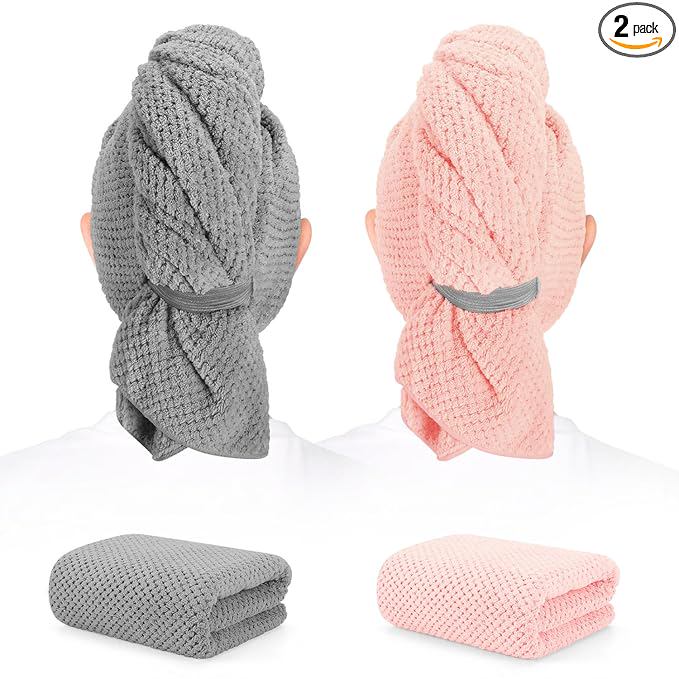
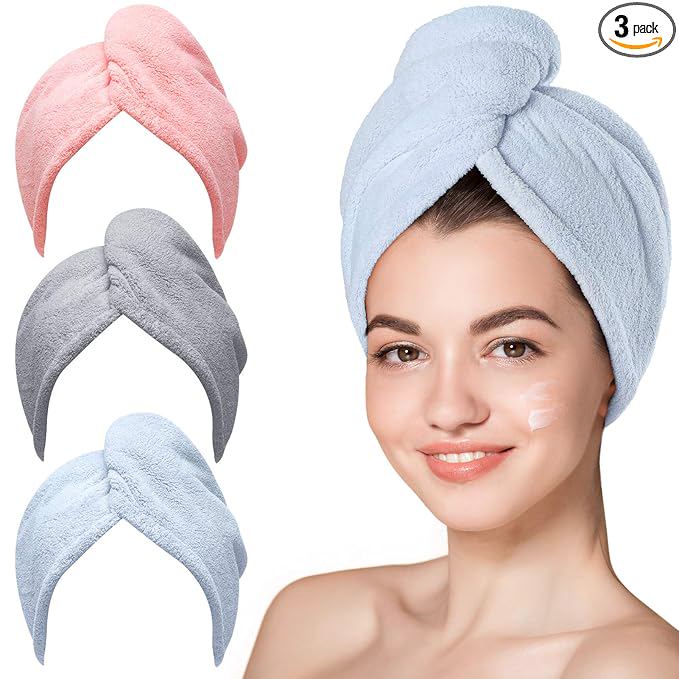
Swapping your towel for a smoother fabric is one of the simplest, most effective changes you can make. A soft, old cotton t-shirt or a dedicated microfiber hair towel creates far less friction. The smoother surface glides over hair cuticles instead of snagging them, helping to preserve your curl pattern and retain moisture.
Here’s how to do it:
- After washing, gently squeeze excess water from your hair with your hands.
- Lay the t-shirt or microfiber towel flat on a surface or hold it open in your hands.
- Lower your hair onto the center of the fabric.
- Gather the fabric at the nape of your neck and twist it up to your scalp, creating a loose, comfortable wrap (often called “plopping”).
- Leave it to absorb water for 10-20 minutes. Avoid any rubbing or scrunching with the fabric.
This method allows water to be absorbed through gentle pressure, not abrasive motion. Many find it immediately reduces post-wash frizz and scalp irritation.
Supporting a Healthy Scalp Environment
While changing your drying technique addresses mechanical irritation, supporting your scalp’s health holistically can further ease itchiness. Consider these complementary practices:
Be mindful of product buildup. Heavy butters, oils, and styling gels can accumulate on the scalp, leading to clogged follicles and itch. Incorporate a gentle, clarifying shampoo weekly or bi-weekly to reset the scalp without stripping your curls.
Focus on hydration. An itchy scalp can sometimes signal dehydration. Using a lightweight, water-based leave-in conditioner or a scalp toner with soothing ingredients like aloe vera or panthenol can provide relief without heaviness.
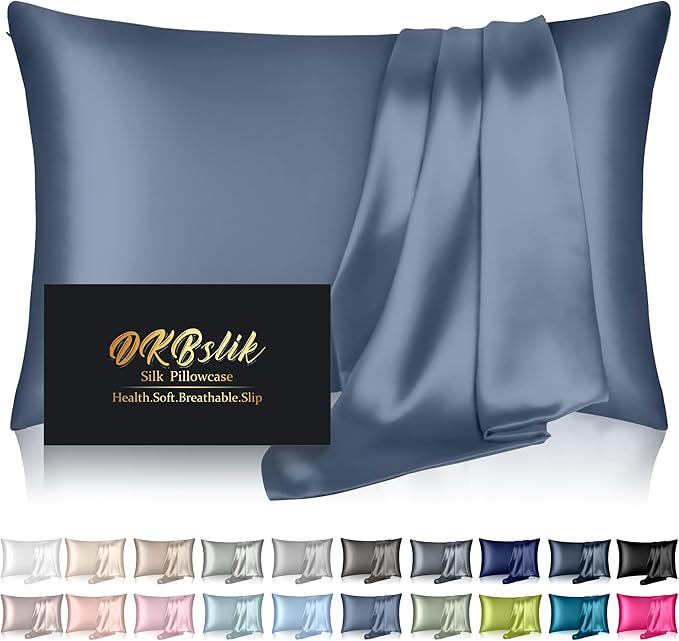
Protect your hair at night. Cotton pillowcases can absorb moisture and create friction similar to a towel. Switching to a satin or silk pillowcase, or wearing a satin bonnet or scarf, reduces nighttime dryness and friction.
When to Look Beyond Styling Habits
If you’ve switched to gentler drying methods and still experience intense itching, flaking, redness, or hair loss, it’s important to consider other causes. Common conditions like seborrheic dermatitis, psoriasis, or a fungal infection may require specific treatment. Persistent issues warrant a conversation with a dermatologist or trichologist who can provide a proper diagnosis.
Ultimately, caring for curly hair is about working with its natural texture, not against it. Sometimes, the most impactful step is removing a source of daily aggression. By replacing a rough towel-rub with a gentle press, you give your curls and your scalp the chance to thrive in a calmer, healthier environment.