If you’ve been told you have prediabetes, you’re not alone—and you’re also not powerless. The food choices you make are one of the most direct ways you can influence your health trajectory. The concept of a "prediabetes plate" isn’t about deprivation or complex rules; it’s a simple, visual tool to help you assemble meals that support steady energy, lasting fullness, and balanced blood sugar.
Think of it as a practical blueprint for your plate at lunch and dinner. By shifting the proportions of what you eat, you can create meals that are satisfying, nutrient-rich, and inherently supportive of metabolic health. This approach focuses on what you can add in, making healthy eating feel abundant rather than restrictive.
What is the Prediabetes Plate Method?
The prediabetes plate method is a straightforward guide for portioning your food without needing scales or measuring cups. It emphasizes non-starchy vegetables, lean proteins, and controlled portions of high-quality carbohydrates. The goal is to slow the digestion and absorption of sugars and starches, preventing the sharp spikes and crashes in blood glucose that can worsen insulin resistance over time.
This isn’t a temporary diet but a sustainable framework for eating. It encourages whole, minimally processed foods and provides a flexible structure you can adapt to any cuisine or personal taste.
How to Build Your Plate
Visualize your typical dinner plate. Now, divide it mentally into three sections. The exact proportions can be adjusted, but a common and effective starting point is:
- Half the plate (50%): Non-Starchy Vegetables. Fill this section with colorful, fiber-rich vegetables. Think leafy greens, broccoli, cauliflower, peppers, zucchini, green beans, mushrooms, and tomatoes. Their high fiber and water content add volume and nutrients with minimal impact on blood sugar.
- One-quarter of the plate (25%): Lean Protein. This section is for foods like grilled chicken or turkey, fish, seafood, tofu, tempeh, eggs, or legumes (beans, lentils). Protein helps with satiety and has a minimal direct effect on blood glucose levels.
- One-quarter of the plate (25%): Quality Carbohydrates or Starchy Vegetables. This is where you place controlled portions of carbohydrates that provide energy. Opt for whole, fiber-rich sources like quinoa, brown rice, farro, sweet potato, or beans (which also count as protein). Even whole-grain bread or pasta would go here, in a portion roughly the size of your fist.
The plate method works because it automatically creates balance. The fiber from the vegetables and whole grains, combined with protein and healthy fats, helps moderate how your body processes the carbohydrates in your meal.
Why This Balance Matters for Blood Sugar
When you eat a meal composed mostly of refined carbohydrates—like a large portion of white pasta with a small side salad—your body breaks those carbs down into glucose quickly. This leads to a rapid rise in blood sugar, demanding a significant release of insulin from your pancreas to shuttle that glucose into cells.
With prediabetes, your cells start to become resistant to insulin’s signal. The pancreas has to work harder, producing more and more insulin to get the job done. Over time, this cycle can exhaust pancreatic cells and lead blood sugar levels to creep into the diabetic range.
The prediabetes plate directly counters this cycle. By ensuring carbohydrates are always paired with ample fiber, protein, and often healthy fats, you slow the entire digestive process. Glucose enters your bloodstream more gradually, requiring less insulin to manage it. This gives your metabolic system a break and can help improve insulin sensitivity.
Focus on Fiber
Fiber is a cornerstone of this approach. Found abundantly in non-starchy vegetables, whole grains, legumes, nuts, and seeds, fiber is the part of plant foods your body can’t digest. It adds bulk, slows digestion, and can blunt the blood sugar response to a meal. Aiming to include a fiber source in every meal and snack is a powerful habit for metabolic health.
Putting the Plate into Practice: Sample Meals
Here’s how the prediabetes plate translates into real meals. Notice the variety and flexibility—it’s a template, not a rigid prescription.
Lunch Example: A large bed of mixed greens and spinach (half the plate) topped with a grilled chicken breast (quarter plate) and a scoop of quinoa (quarter plate). Add sliced cucumbers, cherry tomatoes, and avocado, with a drizzle of olive oil and lemon juice.
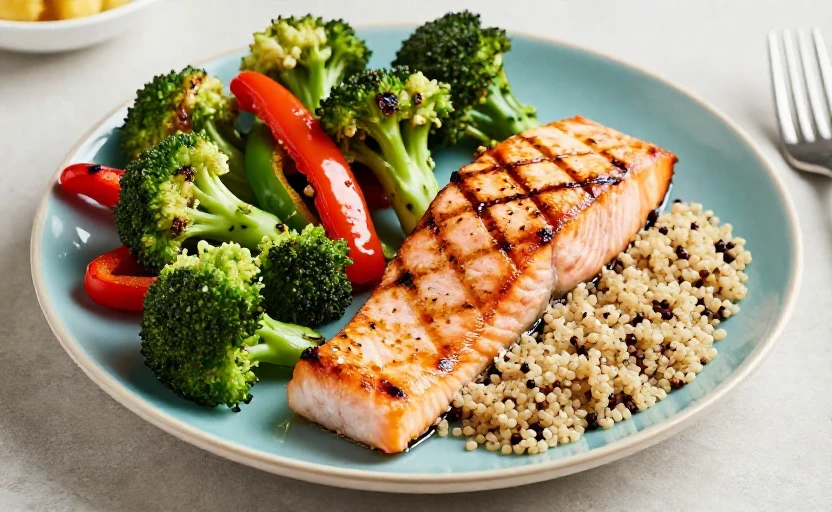
Dinner Example: Roasted salmon filet (quarter plate) served alongside a generous portion of roasted broccoli and asparagus (half the plate) and a small baked sweet potato (quarter plate).
Vegetarian Example: A hearty stir-fry with tofu (protein), a massive amount of bell peppers, snap peas, and bok choy (vegetables), served over a modest portion of brown rice (carbohydrate).
Start by looking at your current plate. Could you double the vegetables? That single shift often gets you most of the way to the ideal balance.
Foods to Emphasize and Foods to Be Mindful Of
Building your plate becomes easier when you have a clear sense of which foods fit into each category.
Emphasize: Non-starchy vegetables (all kinds), leafy greens, berries, lean poultry, fish, eggs, legumes, nuts, seeds, avocado, olive oil, and whole grains like oats, quinoa, and barley.
Be Mindful Of: Refined carbohydrates (white bread, pastries, sugary cereals), sugary drinks, processed snacks, and large portions of even healthy starches. This doesn’t mean you can never have them, but they shouldn’t be the foundation of your plate. When you do include them, keep the portion small and pair it with protein and fiber.
Beyond the Plate: Helpful Habits
The plate is a powerful tool for main meals, but other daily habits support your metabolic health.
- Stay Hydrated: Drinking water throughout the day is essential. Sometimes thirst is mistaken for hunger.
- Move Regularly: Physical activity, even a daily walk, helps your muscles use glucose more efficiently and improves insulin sensitivity.
- Prioritize Sleep: Poor sleep can disrupt hormones that regulate hunger and blood sugar.
- Manage Stress: Chronic stress can elevate blood sugar levels. Finding practices that help you unwind, like deep breathing or time in nature, is beneficial.
The prediabetes plate is more than a meal-building technique; it’s a shift in perspective. It turns a potentially overwhelming diagnosis into a series of manageable, positive choices. By focusing on balance, abundance, and whole foods, you’re not just managing a number—you’re nourishing your body with every meal.