If you have curly hair, you know the struggle: no matter what you do, your scalp feels tight and itchy, and your curls look more like a frizzy halo than defined ringlets. The instinct is to wash more often, thinking that a clean scalp is a happy scalp. But for many people with curly textures, the opposite is true. Over-washing can strip the scalp of its natural oils, leading to dryness, irritation, and—counterintuitively—more frizz.
Why curly hair is different
Curly hair doesn't get the same lubrication from the scalp that straight hair does. The natural sebum (oil) produced by your scalp has a harder time traveling down the twists and turns of a curly strand. This means the ends of your hair are naturally drier. When you wash too frequently, you remove what little moisture is there, leaving the scalp parched and the hair cuticle raised. A raised cuticle lets humidity enter the shaft, which is the technical definition of frizz.
The over-washing cycle
Here's how the mistake usually plays out: Your scalp feels itchy or tight, so you shampoo more often. Each wash strips more oil, making the scalp even drier. The dryness triggers more itching and flaking, which you interpret as a need for another wash. Meanwhile, the hair shaft loses its protective lipid layer, and strands become rough, dull, and prone to tangling. The result is a cycle of irritation and frizz that no amount of conditioner can fix.
A good rule of thumb: if your scalp feels worse after washing, you're probably washing too often.
Signs you might be over-washing
- Your scalp feels tight or sore shortly after washing.
- You see more flakes (dry flakes, not oily buildup).
- Your curls look undefined, fuzzy, or feel straw-like.
- You experience increased itchiness in the hours after shampooing.
How to break the cycle
Space out your washes
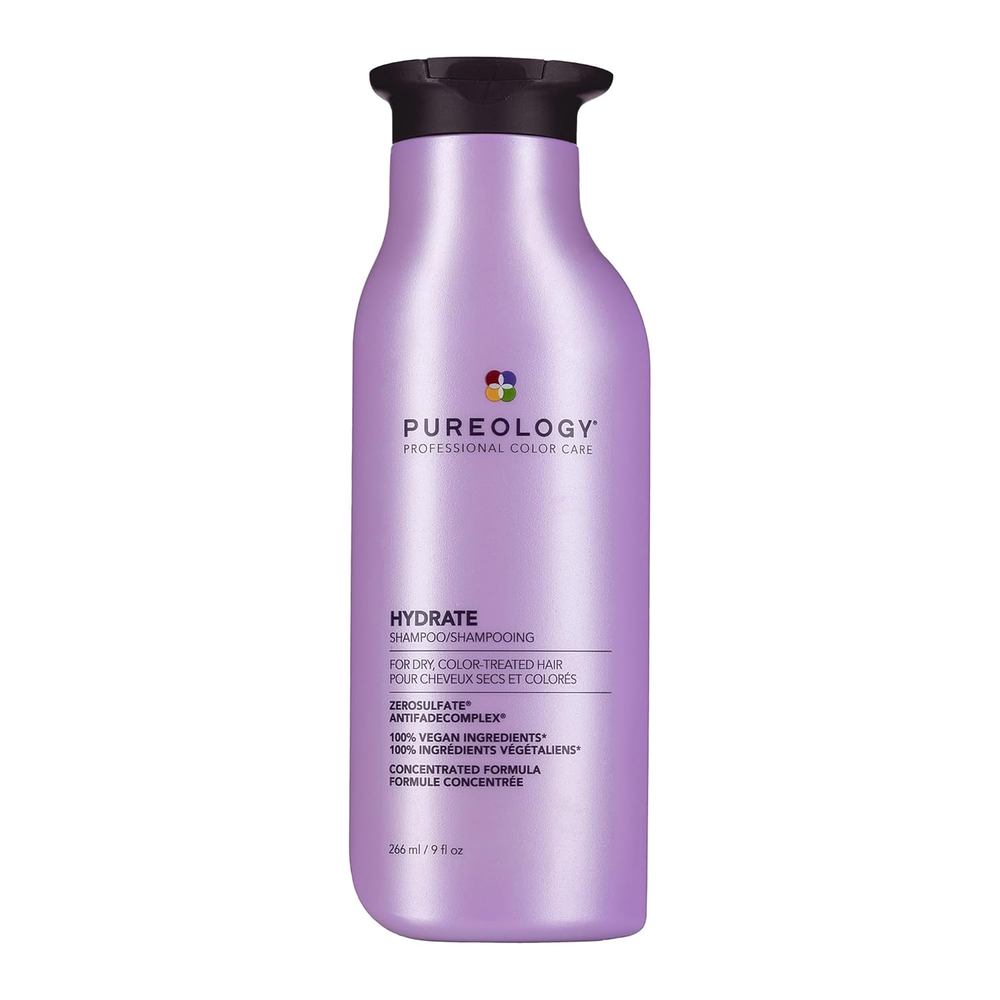
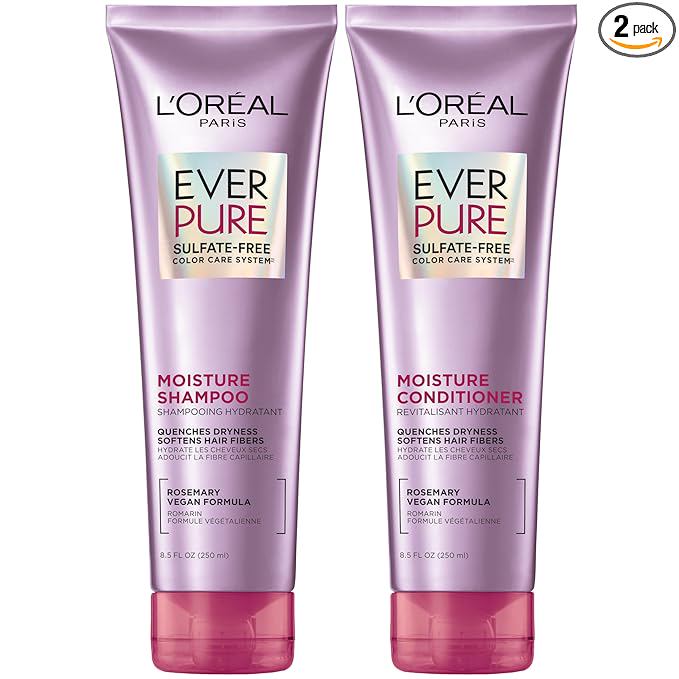
Most curly hair types do well with washing once or twice a week. If you're used to daily washing, try stretching to every other day, then every three days. Use a gentle, sulfate-free shampoo that won't strip the scalp. In between washes, you can rinse with water or use a co-wash (cleansing conditioner) to refresh without over-cleansing.
Focus on the scalp
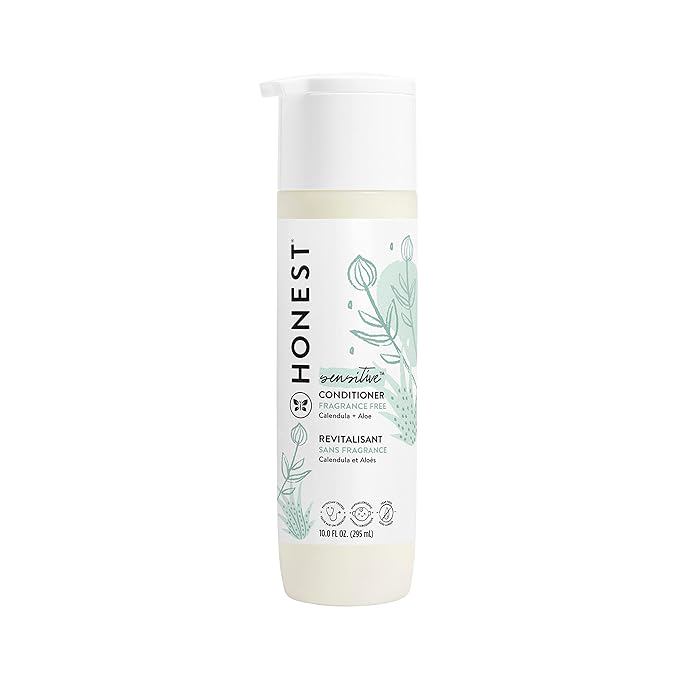
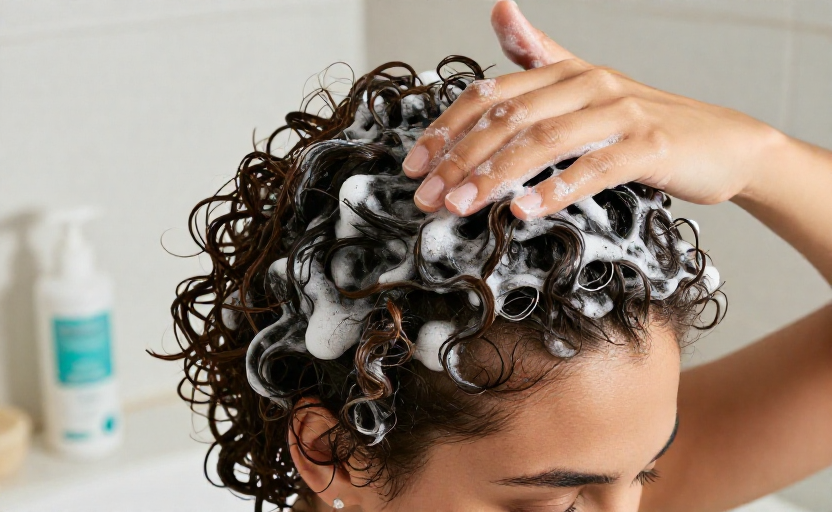
When you do wash, concentrate the shampoo on your scalp, not the lengths. Let the suds run down the hair as you rinse—that's enough to clean the strands without drying them out. Follow with a moisturizing conditioner from mid-length to ends.
Incorporate scalp care
A lot of scalp itchiness on curly hair is actually dryness, not dirt. Consider a pre-wash oil treatment (like a light oil applied to the scalp 20 minutes before shampooing) to protect the barrier. If itching persists, look for a shampoo with soothing ingredients like aloe vera, colloidal oatmeal, or tea tree oil—but use those sparingly, as they can also be drying if overused.
When frizz is a signal
Frizz on curly hair is often a cry for moisture, not a sign of uncleanliness. Over-washing removes the very things your curls need: natural oils, protein balance, and a smooth cuticle. If you're dealing with both itchiness and frizz, consider that the frizz might be caused by the itch treatment. Dialing back the wash frequency, using lukewarm water, and sealing in moisture with a lightweight leave-in or curl cream can restore definition and calm the scalp at the same time.
Every curl pattern is different, but the hydrating principle is universal: less washing, more moisture management. Your scalp and curls will thank you.