In the weeks and months after childbirth, many new parents notice something unsettling: clumps of hair in the shower drain, on the pillow, or wrapped around a brush. Postpartum hair loss is normal—it’s a physiological shift triggered by dropping estrogen levels—but certain daily habits can make it look and feel more dramatic than it needs to be. One of the most overlooked culprits? How often you wash your hair.
If you have been shampooing more frequently out of a desire to feel clean or to combat an oily scalp, you may actually be adding stress to already vulnerable strands. Understanding why this happens—and what to do instead—can help you protect your hair during this temporary phase.
Why Frequent Shampooing Can Backfire After Birth
During the postpartum period, your hair cycle resets. Many hairs that stayed in the growth phase during pregnancy shift into the shedding phase (telogen effluvium) all at once. That shedding is normal and temporary. But when you wash your hair every day—or even every other day—with harsh cleansers, you may be stripping the scalp of its natural oils, called sebum. This can lead to a dry, irritated scalp, and it may make existing shedding more noticeable.
Washing too often can also weaken the hair shaft. When hair is wet, it is more elastic and prone to breakage. Combined with the mechanical action of scrubbing and towel drying, frequent washing can cause additional hair loss that isn’t related to hormones. The result is that your hair may look thinner and feel more brittle than it would if you spaced out washes.
A simple rule: If your scalp feels tight, itchy, or looks flaky after washing, you may be over-cleansing. Postpartum scalps are often more sensitive, so listen to what yours is telling you.
How Often Should You Wash Postpartum Hair?
There is no single answer that fits everyone. Hair type, scalp oiliness, activity level, and climate all play a role. For many new parents, washing once every three to five days strikes a good balance. This allows natural oils to nourish the scalp and hair without allowing buildup that could clog follicles.
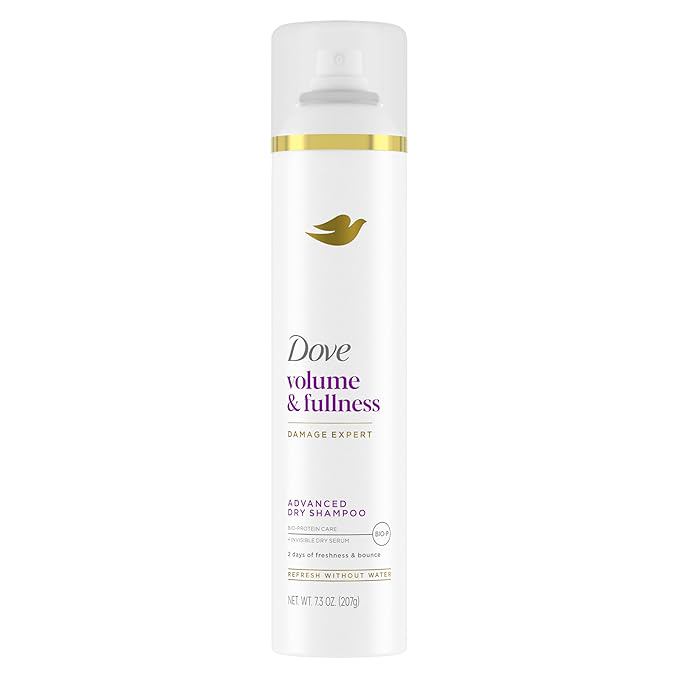
If you have very oily hair, you may need to wash every other day, but choose a gentle, sulfate-free shampoo. If your hair is dry or curly, extending the gap to five or seven days can be beneficial. Dry shampoo can help absorb oil between washes, but use it sparingly—overuse can lead to scalp buildup.
What to Look for in a Shampoo (and What to Avoid)
Not all shampoos are created equal, and during the postpartum period, the wrong formula can worsen hair loss. Look for products that are labeled sulfate-free and paraben-free. Sulfates are detergents that create a rich lather but can strip away moisture. Parabens are preservatives that some people prefer to avoid for sensitive skin.
Ingredients like biotin, keratin, caffeine, and niacin are often included in shampoos marketed for thinning hair, but their effects are mostly superficial—they coat the hair shaft to make it appear thicker. They won’t stop hormonal shedding, but they can improve the appearance of hair volume. For scalp health, look for soothing ingredients like aloe vera, chamomile, or tea tree oil if you are prone to dryness.
Avoid shampoos with high alcohol content, as they can dry out the scalp. If you use a clarifying shampoo, limit it to once every one to two weeks.
Gentle Washing Techniques to Protect Hair
How you wash matters just as much as how often. Follow these steps to minimize breakage and reduce stress on your hair:
- Wet hair thoroughly with lukewarm water before applying shampoo. Hot water can strip oils and irritate the scalp.
- Shampoo only the scalp, not the ends. Work the lather into your roots with your fingertips—not your nails—and let the suds run through the lengths as you rinse.
- Condition from mid-length to ends. Avoid conditioner on the scalp if you have fine hair, as it can weigh it down.
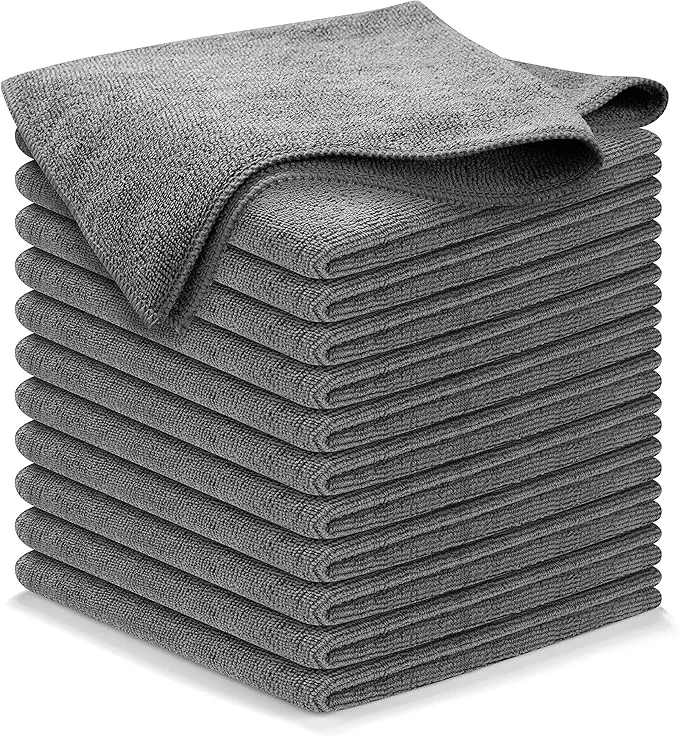
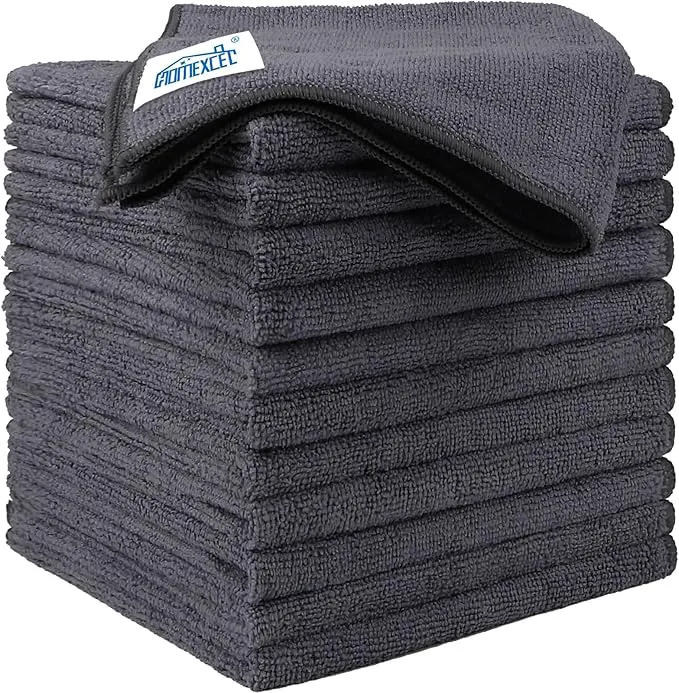
- Pat, don’t rub, with a towel. Rubbing wet hair with a towel causes friction and breakage. Instead, blot gently or wrap hair in a soft microfiber towel.
- Use a wide-tooth comb to detangle while hair is damp and conditioned, not when it is dry.
When to Talk to a Doctor
Postpartum hair loss usually peaks around three to four months after delivery and resolves on its own by six to twelve months. If you notice patches of baldness, if shedding continues beyond a year, or if you have other symptoms like fatigue or irregular periods, check in with a dermatologist or your primary care provider. They can rule out other causes such as thyroid imbalances, iron deficiency, or lingering postpartum hormone issues.
In most cases, the best approach is patience and gentle care. You do not need to buy expensive supplements or drastically change your diet. Simply adjusting your washing routine—washing less frequently, using milder products, and handling your hair with care—can reduce the visual impact of shedding and help you feel more in control.
This article is for educational purposes only and does not constitute medical advice. Always consult a qualified healthcare provider for personal health concerns.