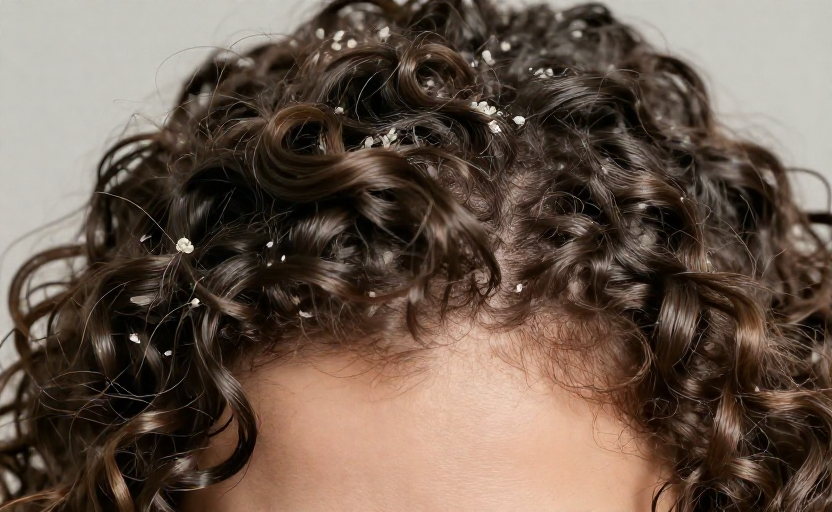
If you have curly hair and struggle with dandruff, your instinct might be to wash more often. It makes sense — flakes feel like a cleanliness issue, so scrubbing more frequently seems like the obvious fix. But for curly textures, this approach often backfires. Over-washing strips the scalp of its natural moisture barrier, which can actually trigger more flaking, not less.
Curly hair is naturally drier than straight hair because the oils produced by the scalp have a harder time traveling down the spiral of the hair shaft. When you wash too often — especially with harsh shampoos — you remove what little sebum is there. The scalp responds by either overproducing oil (leading to greasy flakes) or becoming dry and irritated (leading to dry, powdery flakes). Understanding this balance is key to managing dandruff without sacrificing your curl pattern.
Why curly hair is more vulnerable to over-washing
Curly and coily hair types have a distinct structure. The twists and turns create weak points in the cuticle, making the hair more porous and prone to dryness. The scalp itself follows the same logic: because the oil doesn't spread easily, the scalp can become dry even while the rest of the hair feels brittle. Frequent washing compounds this problem.
The American Academy of Dermatology notes that the average scalp produces enough oil to maintain a healthy moisture balance. But for curly textures, that oil often stays near the roots. Washing every day or every other day with standard shampoos strips these oils before they have a chance to protect the scalp. The result is a compromised skin barrier that becomes reactive — flaking, itching, and sometimes redness.
How over-washing creates a cycle of more flakes
Dandruff is often linked to an overgrowth of a yeast-like fungus called Malassezia, which feeds on sebum. When you wash too frequently, you initially remove some of the yeast. But the scalp's protective barrier weakens. This triggers inflammation, which signals the scalp to shed skin cells faster. The flakes you see are actually clumps of dead skin cells that the scalp is sloughing off in response to irritation.
Here’s what typically happens in the over-washing cycle:
- Frequent washing strips natural oils: Without enough moisture, the scalp barrier becomes dry and vulnerable.
- Irritation signals more cell turnover: The body tries to repair the barrier by pushing out more skin cells.
- Flakes increase in volume: These cells clump together and appear as visible dandruff.
- More washing seems like the answer: You wash again to remove the flakes, which only deepens the problem.
This is why many people with curly hair report that their dandruff gets worse when they wash more than twice a week.
Less frequent, gentler washing often improves dandruff more than increasing wash frequency.
How to wash curly hair without triggering flakes
The goal is to clean the scalp without stripping it. That means rethinking both the frequency and the products you use. Here are practical adjustments that respect your curl pattern while keeping flakes under control.
Space out your washes
Most curly hair types do well with one to two washes per week. This gives the scalp time to regulate its oil production. If your scalp feels itchy between washes, try a dry shampoo that is safe for curls — look for formulas without alcohol, which can be drying. Apply it only to the roots, not the lengths.
Choose sulfate-free shampoos
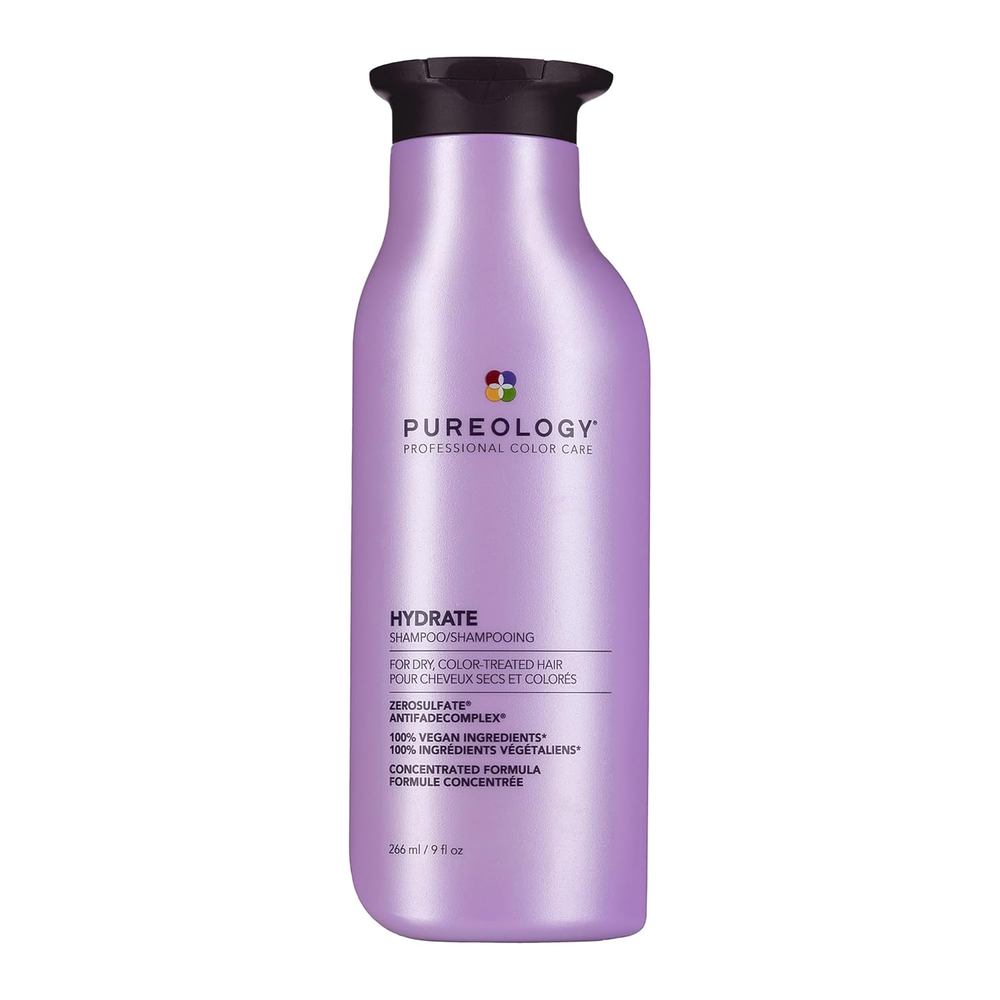
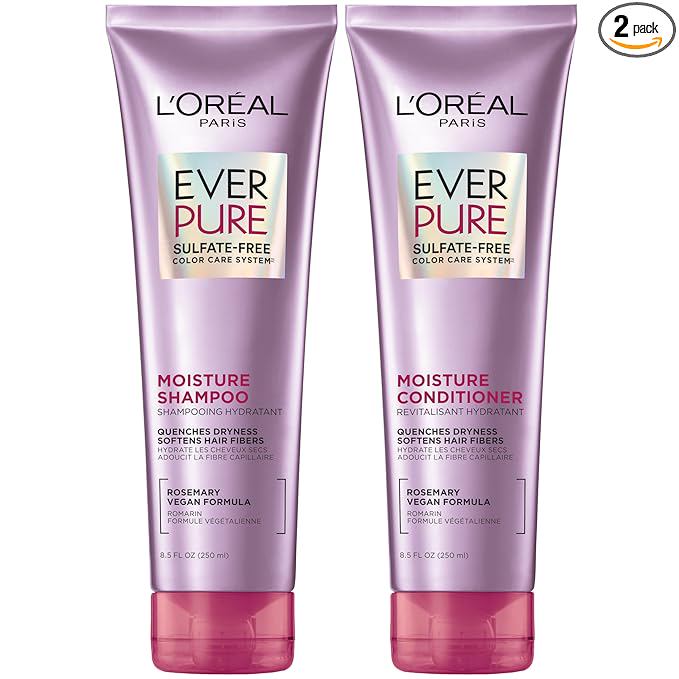
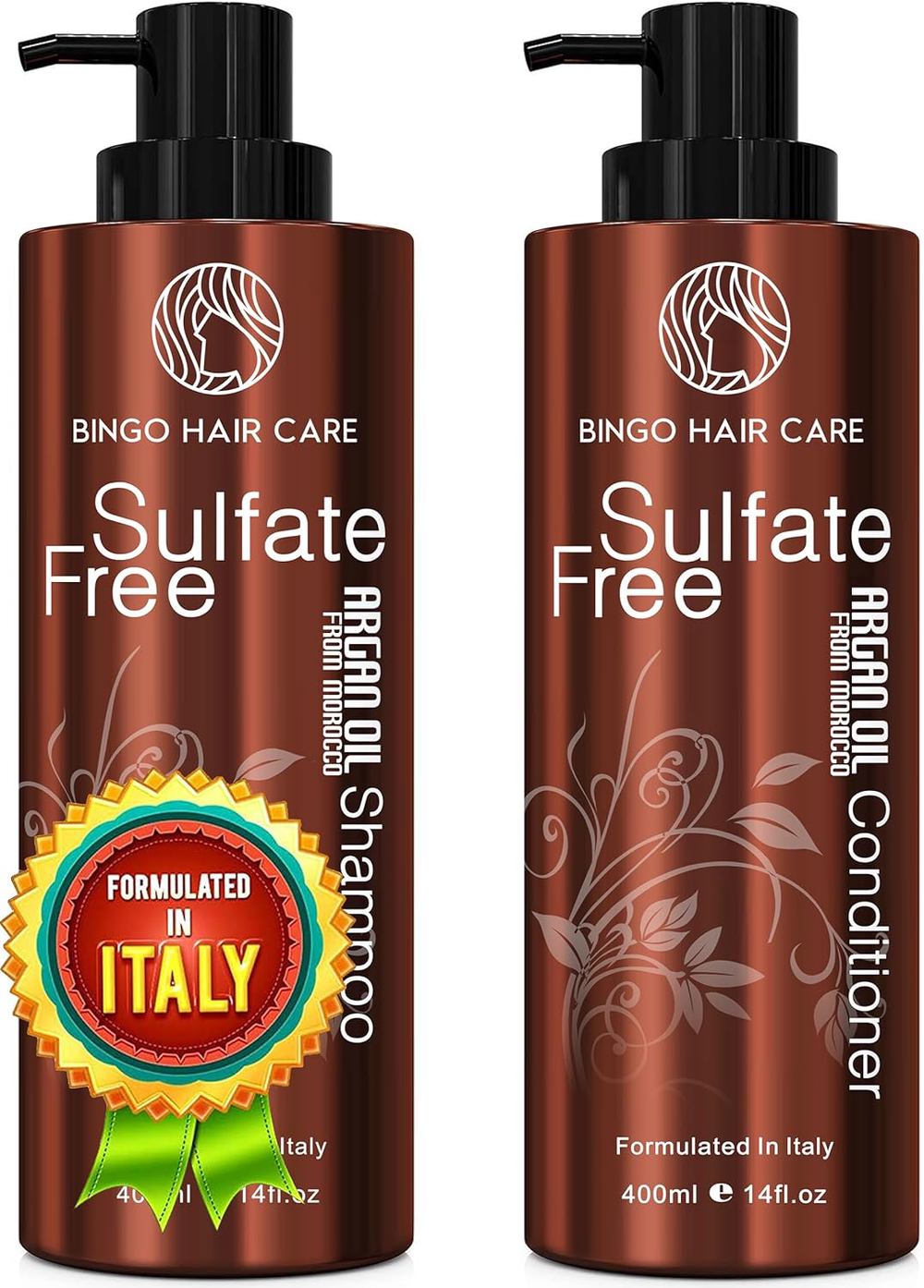
Sulfates are detergents that create a lot of lather but can be too harsh for curly scalps. A gentle, sulfate-free shampoo or a low-poo cleanser will remove buildup without stripping the moisture barrier. If you have coily or highly textured hair, consider a co-wash (conditioner-only wash) for most washes, with a clarifying shampoo used only once a month.
Focus shampoo on the scalp, not the ends
Apply shampoo directly to your scalp and massage gently with your fingertips — not your nails. Let the suds run down the length of your hair as you rinse. This cleans the ends without over-drying them. Curly hair rarely needs direct shampoo application on the lengths.
Use a moisturizing conditioner every time
Conditioner helps restore the moisture that shampoo removes. For curly hair, a deep conditioner once a week can make a noticeable difference. Look for ingredients like shea butter, aloe vera, or glycerin, which support hydration without weighing curls down.
When to add a medicated dandruff shampoo
If you have persistent dandruff despite adjusting your wash routine, you may need a medicated shampoo. But the key is how you use it — not just which one you pick. Medicated shampoos (containing ingredients like zinc pyrithione, selenium sulfide, or ketoconazole) can be drying if used too often.
A better approach for curly hair:
- Use the medicated shampoo only on your scalp, not the hair shaft.
- Apply it to damp hair and let it sit for the time recommended on the bottle — usually 3 to 5 minutes.
- Rinse thoroughly, then follow with a moisturizing conditioner from mid-length to ends.
- Start with once a week; adjust based on your scalp’s response.
Some people find that alternating between a medicated wash and a gentle co-wash works well. This gives the scalp the active ingredient it needs without over-drying the curls.
How to tell if over-washing is your problem
Not all dandruff is caused by washing too much. But if you wash your hair three or more times a week, and your flakes seem to increase right after washing — or if your scalp feels tight and dry shortly after cleansing — over-washing is likely a factor. Other signs include hair that feels straw-like, excessive tangling, or a sudden increase in breakage.
If those patterns sound familiar, try scaling back to two washes a week for at least a month. Give your scalp time to recalibrate. Many people see improvement within two to three weeks, though full adjustment of the scalp's barrier can take longer.
Dandruff management is not about washing more — it's about washing smarter. For curly hair, that means keeping the scalp clean but not stripped, hydrated but not greasy. When you find the right balance, both your curls and your scalp will thank you.