
Most of us were taught that moisturised hair is healthy hair. We slather on conditioners, deep treatments, and leave-in creams in an effort to fight frizz. Yet, despite all that effort, your scalp might feel heavy, your hair might look greasy at the roots, or your strands might feel limp and sticky. This is the classic sign of over-conditioning—a mistake many people make without realising it.
When you over-condition, you're not just making your hair feel soft; you're actually disrupting the natural microbiome of your scalp. The scalp is skin, just like the skin on your face. Too much moisture, especially from occlusive ingredients in heavy conditioners, can trap oil, dead skin cells, and product residue against the scalp. This creates the perfect environment for stubborn buildup—often mistaken for dandruff or dry scalp, but actually a waxy, sticky layer that won't wash away with regular shampoo.
What Happens During Over-Conditioning?
The technical term for extreme over-moisturisation is hygral fatigue. When hair is constantly saturated with water and moisture, the hair shaft swells when wet and shrinks as it dries. This repeated swelling-shrinking cycle weakens the hair's protein structure. But beyond the hair fibre, the scalp also suffers. A moisture overload can cause the scalp's natural oil (sebum) to mix with leftover conditioner, forming a biofilm-like layer that clogs follicles.
Your scalp needs a precise balance—not too dry, not too wet. Over-conditioning upsets that balance by leaving a residue that doesn't evaporate or absorb. Instead, it hardens on the scalp, mixing with sweat and dead skin cells. Over time, this becomes the stubborn buildup you can feel with your fingers or see as yellowish-white flakes, even on clean hair.
Symptoms of Scalp Buildup from Over-Conditioning
How do you know if your scalp has crossed the line from healthy to over-conditioned? Look for the following signs:
- Greasy roots with dry ends: This is the classic signal. Your scalp looks shiny and slick, but your strands feel brittle or straw-like further down.
- Limp hair that won't hold a style: Moisture overload makes hair heavy. Even if you have naturally straight hair, it may droop or fall flat within hours of washing.
- Scalp tenderness or itchiness: Buildup can irritate the skin, causing redness or a persistent need to scratch, especially near the crown or hairline.
- Sticky or waxy feel after washing: If your hair still feels coated after shampooing, it's a clear sign of product residue sitting on the scalp.
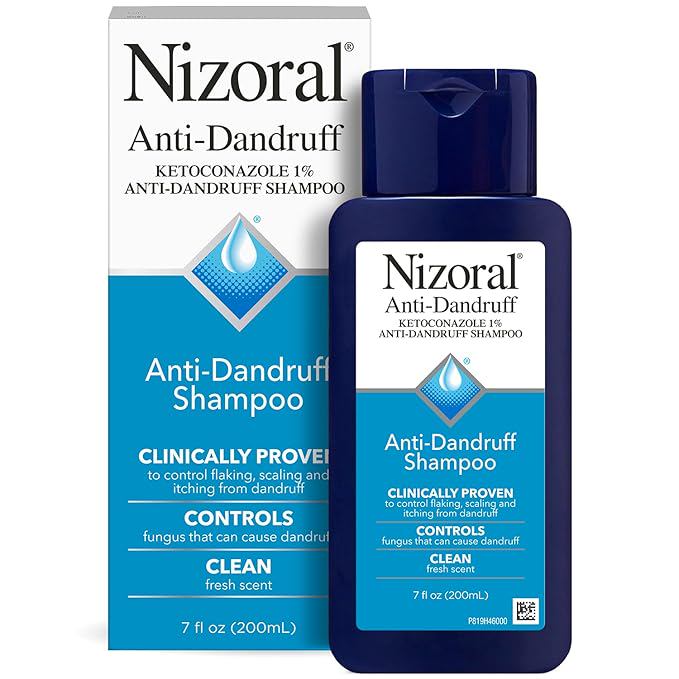
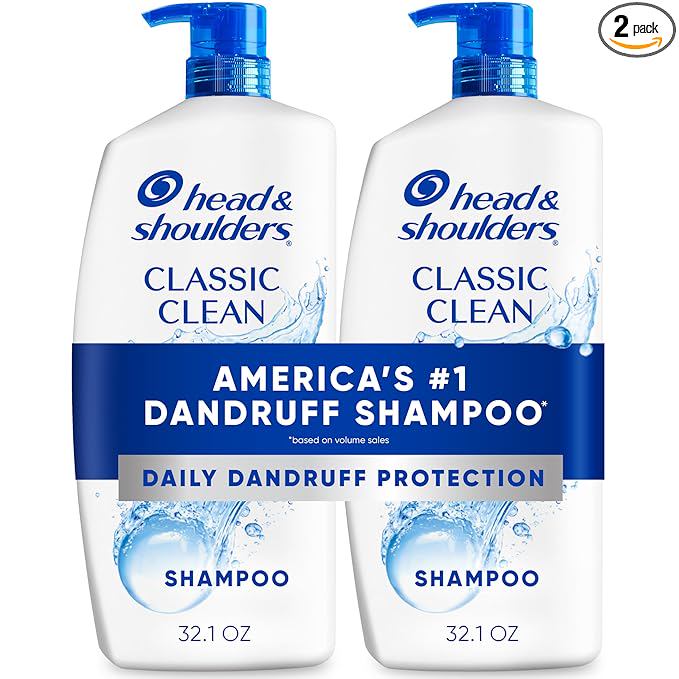
A quick caveat: Some people mistake buildup for dandruff. The difference? Dandruff flakes are typically dry and loose; buildup flakes are often greasy, yellowish, and cling to the scalp more stubbornly.
Why Moisture Needs Protein for Balance
Your hair and scalp need both moisture and protein to stay healthy. Think of protein as the building blocks that give hair structure and strength, and moisture as the element that keeps it flexible and soft. Over-conditioning often happens when someone uses moisturising products exclusively—without ever using a protein-based treatment. The result is a condition called over-moisturisation: hair that stretches too much when wet, feels mushy, and fails to return to its original shape.
According to The Science of Black Hair: A Comprehensive Guide to Textured Hair, if the protein structure is intact, the hair fibre resists excessive swelling when wet. This means that a balanced routine—alternating between moisturising conditioners and protein-rich treatments—can prevent both hygral fatigue and the scalp buildup that comes with over-conditioning.
To restore balance, look for conditioners that list protein ingredients like hydrolyzed wheat protein, hydrolyzed keratin, or hydrolyzed silk protein. Use them once a week in place of your usual deep conditioner. This helps reinforce the hair shaft while still allowing moisture to do its job.
How to Fix an Over-Conditioned Scalp
If you suspect you've been over-conditioning and now have stubborn buildup, don't panic. With a few adjustments, you can reset your scalp and hair health.
1. Use a Clarifying Shampoo
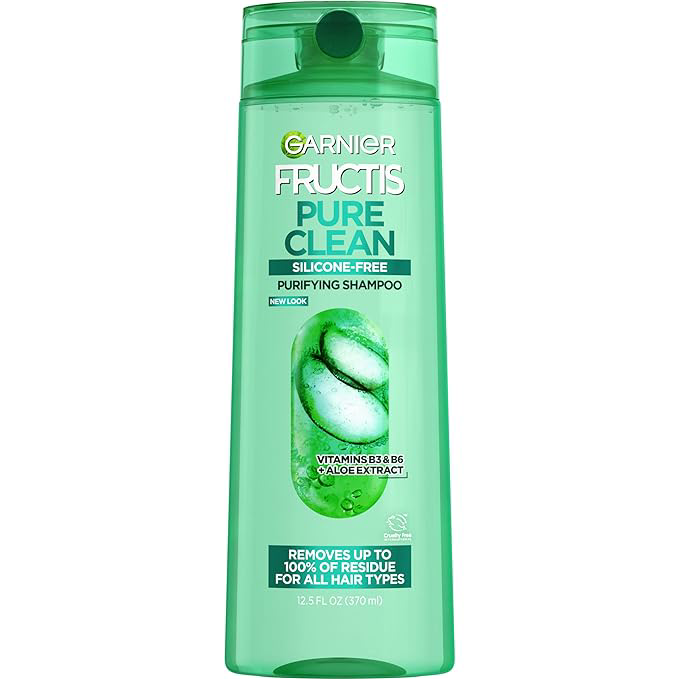
A clarifying shampoo is designed to remove excess product, oil, and residue. Use it once every two weeks (or once a week if your buildup is severe). Avoid over-washing—too much clarification can strip natural oils, causing the scalp to overproduce sebum.
2. Try a Scalp Exfoliation
Gentle physical exfoliation, using a soft silicone scalp brush, can help dislodge buildup. You can also use a chemical exfoliant containing salicylic acid, which breaks down the waxy layer of dead skin cells and conditioner residue. Apply it only to the scalp, not the lengths of your hair.
3. Reduce the Amount of Leave-In Conditioner
Many people apply leave-in conditioner from root to tip. Instead, focus only on the mid-lengths and ends. The scalp naturally produces enough oil to keep itself moist. Adding a heavy leave-in product can undo your progress.
4. Use Oils Before Washing
Applying a penetrating oil—such as coconut, olive, or avocado oil—to your hair and scalp 30 minutes before shampooing can help protect the hair shaft from swelling. These oils also attract dirt and product residue, making them easier to wash away without stripping the scalp.
Prevention: The Best Approach
To avoid falling into the over-conditioning trap again, establish a simple routine:
- Alternate between moisturising and protein conditioners. If you use a moisturising conditioner three times a week, use a protein-rich treatment once during that same week.
- Read product labels. Check for ingredients like hydrolyzed protein (wheat, keratin, silk) to ensure you're getting structure support.
- Don't leave deep conditioners on longer than recommended. Setting a timer is a simple habit—even 10 extra minutes can tip the scales toward over-moisturisation.
- Rinse thoroughly. Conditioner residue is a major contributor to buildup. Spend an extra 30 seconds rinsing with cool water.
If you're already dealing with stubborn buildup and over-conditioning symptoms, a visit to a professional hair stylist or dermatologist is a good idea. They can assess your scalp condition and recommend products tailored to your hair type and porosity. With consistent care and the right balance of moisture and protein, you can restore your scalp's health and enjoy hair that feels clean, light, and resilient.