You do it every morning and every night without thinking twice. It feels like the right thing to do — a thorough cleanse, a vigorous rub, a splash of cold water. But what if that very habit is actually making your under-eye circles darker?
Dermatologists and skin-health researchers have identified a common culprit in the daily routines of people who struggle with persistent dark circles: repetitive, rough friction around the delicate eye area. Whether you rub your eyes when tired, scrub off makeup with a washcloth, or apply your eye cream with aggressive patting, the mechanical stress on that thin skin can lead to visible hyperpigmentation over time.
Let's break down why this happens, how it differs from other causes of dark circles, and what you can change starting tonight.
Why the under-eye area is different from the rest of your face
The skin under and around your eyes is the thinnest on your body — roughly 0.5 millimeters, compared to about 2 millimeters on the rest of your face. It also has fewer oil glands and less collagen and elastin. This means it's more vulnerable to damage from repeated stretching and tugging.
When you rub or scrub that area, you are not just irritating the surface. You're triggering a low-grade inflammatory response. Over months and years, that chronic micro-inflammation can stimulate melanocytes (pigment-producing cells) to produce more melanin. The result: a visible darkening that looks like shadows or hollows, often mistaken for fatigue or genetics.
What the research says
A 2023 review in the Journal of Cosmetic Dermatology noted that mechanical trauma is a recognized contributor to periorbital hyperpigmentation — the medical term for dark circles. The study emphasized that repeated rubbing and stretching can cause both vascular changes (leaky capillaries, visible blue veins) and pigmentary changes (post-inflammatory hyperpigmentation). In other words, the same motion you use to wipe away mascara can, over time, create the very shadow you are trying to erase.
The difference between pigment and shadow
Not all dark circles are created equal. Some people have genuine hyperpigmentation (brown or gray tones), while others have vascular dark circles (blue or purple tones caused by thin skin and visible blood vessels). The rubbing-and-friction mistake often worsens both types. It thins the skin further, making blood vessels more visible, while also encouraging extra pigment deposition.
If your dark circles look more like shadows cast by puffy bags or tear trough hollows, the friction damage is likely compounding your structural concerns by weakening skin support over time.
Common habits that do the damage
Here are the specific everyday actions that dermatologists say contribute most to friction-induced darkening:
- Rubbing eyes — especially when tired, after crying, or during allergy season. A reflexive rub can feel soothing, but the pressure is significant on such thin skin.
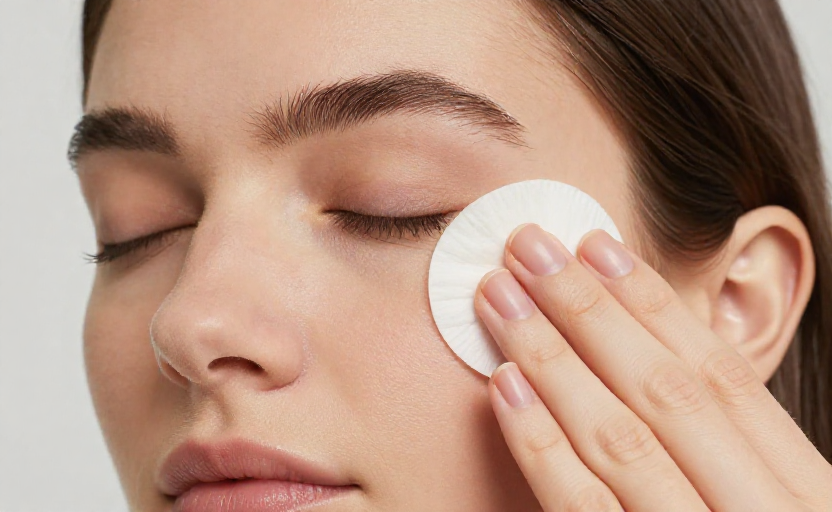
- Aggressive makeup removal — using a wipe or pad and pulling horizontally across the eye area instead of gently pressing and holding.
- Scrubbing with a washcloth or sponge — loofahs and textured cloths are too abrasive for the periorbital zone.
- Applying eye cream too roughly — tapping or patting is fine, but dragging or massaging with force is not.
- Improperly removing mascara and eyeliner — many people rub back and forth on the lashes, which transfers friction to the skin of the lid and under-eye area.
A simple test: After your next makeup removal, look in the mirror. If the skin around your eyes is pink, red, or feels tight, you applied too much mechanical force. That redness is a visible sign of micro-inflammation — the same process that, over time, can darken the area.
How to fix it: gentle techniques that protect
The good news is that you don't need expensive creams or treatments. Changing your technique can stop further darkening and, in many cases, allow existing hyperpigmentation to fade gradually. Here's what to do instead:
Use a double-cleanse method for makeup
Start with an oil-based cleanser or micellar water on a soft cotton pad. Place the pad over your eye and hold it for 10–15 seconds — do not wipe. The oil or micellar solution will break down the makeup on its own. Then gently sweep downward, following the natural direction of the skin, not sideways. Rinse with lukewarm water, followed by a gentle water-based cleanser. No rubbing required.
Pat, don't drag
When applying eye cream, serum, or moisturizer near the eyes, use your ring finger (which naturally exerts the least pressure) and pat the product in a dotted pattern from the inner corner outward. Never slide or press hard enough to see the skin move.
Address the root cause if you rub unconsciously
If you rub your eyes because of dryness or allergies, treat those triggers. Use preservative-free artificial tears for dry eyes. For allergies, consider an oral antihistamine or a preservative-free anti-allergy eye drop. If you rub out of habit, try a cold compress or a gentle blink exercise instead.
Switch to gentler tools
Replace textured makeup wipes, scrubbing sponges, and stiff brushes near the eyes with soft, flat cotton rounds or reusable bamboo pads. Never use a cleansing brush directly on the under-eye area.
What else to keep in mind
While changing your touch is the single most effective step, dark circles can also be influenced by other factors. You may still see some discoloration from genetics, natural thin skin, or vascular patterns that no amount of gentle care can fully erase. That is normal. The goal here is to stop additional darkening — not to achieve perfection.
- Sleep position: Sleeping on your stomach or side with your face pressed into a pillow can cause fluid pooling and creasing. A silk or satin pillowcase reduces friction and is especially helpful if you move a lot during sleep.
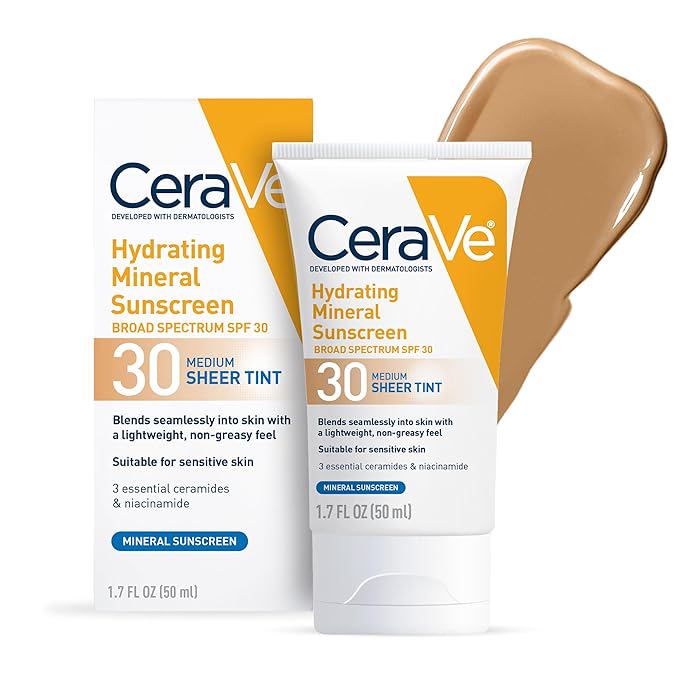
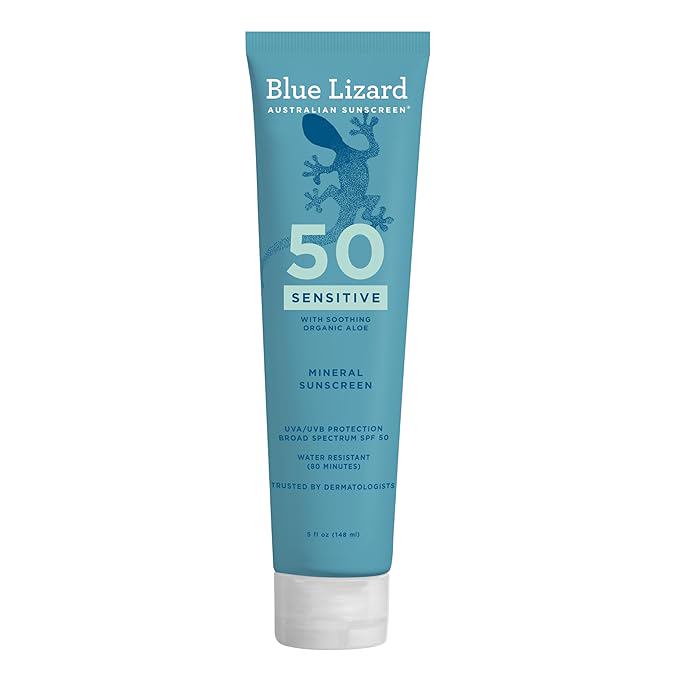
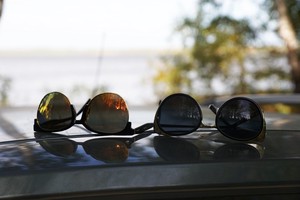
- Sun protection: UV exposure darkens any form of hyperpigmentation, including friction-induced circles. Use a mineral-based sunscreen (zinc or titanium dioxide) around the eyes or wear UV-blocking sunglasses.
- Hydration from the inside: Dehydration can make the under-eye area look sunken and darker. Drink enough water, but also consider using a humidifier in dry rooms.
- Check your iron and B12 levels: Persistent dark circles, especially if accompanied by fatigue or pallor, can be a sign of iron deficiency or low vitamin B12. If diet changes don't help, a blood test may be worth discussing with your doctor.
The bottom line on the friction mistake
The one routine mistake that darkens under-eye circles over time is repeated mechanical friction — rubbing, scrubbing, and dragging the thinnest skin on your body. This everyday habit triggers inflammation and pigment production, making shadows and discoloration worse with each passing year.
The fix is not a product. It is a technique — gentle, deliberate, and persistent. Hold instead of wipe. Pat instead of rub. Let your cleansers do the work instead of your fingers. Your under-eye skin has no muscle to protect it. Treat it like the delicate tissue it is, and the difference in a few months may surprise you.