As spring arrives and pollen counts climb, many families double down on their usual allergy defenses: closing windows, running air purifiers, and stocking up on antihistamines. But a common well-meaning habit may be undoing all that effort. The mistake? Washing bedding, clothes, and even pets in room-temperature water or, worse, skipping a hot-water wash cycle for items that collect outdoor allergens.
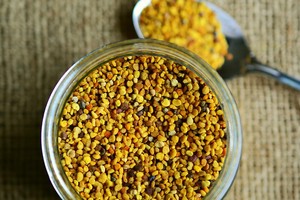
Seasonal allergies—also called hay fever or allergic rhinitis—are triggered when airborne pollen, mold spores, or dust mites land on the mucous membranes. While you cannot control what floats through the air outside, you have significant control over what comes into your home. Unfortunately, many families overlook the role that water temperature plays in removing these microscopic irritants from fabric, upholstery, and skin.
Why Cold Water Won’t Cut It for Allergy Removal
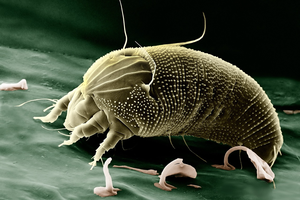
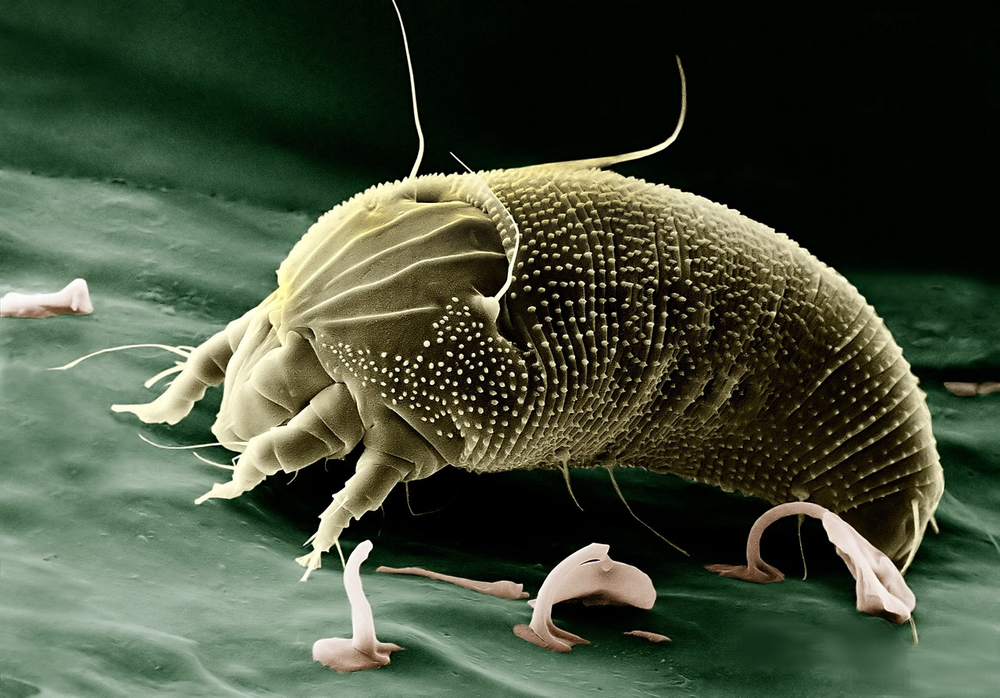
Studies from the American Academy of Allergy, Asthma & Immunology (AAAAI) and environmental health researchers show that washing laundry in cold water—temperatures below 85°F or 30°C—does not reliably kill dust mites or fully remove pollen and mold spores from fabric fibers. Hot water, defined as 130°F (54°C) or higher, is required to denature dust mite proteins and rinse away sticky pollen grains that cling to cotton and synthetic blends.
When families wash sheets, pillowcases, and children's stuffed toys in cold cycles to save energy or protect delicate fabrics, they may be leaving allergens behind. The result: the bed, where you spend a third of your life, becomes a reservoir for the very triggers you are trying to avoid.
A hot-water wash (at least 130°F) kills dust mites and removes pollen from fabrics. Cold water simply rinses them around.
The Overlooked Culprit: Pollen on Clothing and Hair
Another major oversight involves personal hygiene after outdoor exposure. When kids (or adults) play, garden, or walk the dog on a high-pollen day, allergens settle onto hair, skin, and clothing. If they jump onto the couch, lie on a bed, or sit in the car with those clothes still on, they transfer pollen directly into the living space.
Families often shower before bed but rarely wash their daytime clothes in hot water after a single wear during allergy season. A better habit: designate outdoor clothing as “pollen clothes” and toss them into a hot wash or at least a rinse cycle immediately upon coming inside. Similarly, rinsing hair with plain water before bedtime—not necessarily shampooing—can remove accumulated pollen that would otherwise end up on the pillow.
The Pet Factor: A Hidden Allergy Vector
Dogs and cats that go outdoors bring pollen back on their fur. A family might bathe the dog weekly, but if they use lukewarm or cool water, the pollen may not be fully removed. Pet wipes and waterless shampoos help with surface debris, but hot water (safe for the animal’s coat) is more effective at breaking down the proteins and particulates that trigger human allergic reactions.
For families with severe seasonal allergies, the recommendation from allergists is to wipe down pets with a damp microfiber cloth after each outdoor trip—and to wash pet bedding separately in hot water at least once a week during peak pollen season.
Understanding the Role of Humidity and Temperature
Allergy sufferers also make the mistake of using cool-mist humidifiers to soothe dry nasal passages without realizing that excess indoor humidity (above 50%) encourages dust mite proliferation and mold growth. The same principle applies to washing: high-temperature drying (on a high setting for at least 10 minutes) kills dust mites and molds that survive a cold wash cycle.
If you are using an energy-efficient washer with only cold or warm options, consider adding a half-hour high-heat dry cycle afterward. Alternatively, use allergen-proof zippered covers for pillows and mattresses, which act as a physical barrier even if your washing machine temperature is limited.
Practical Steps to Correct This Mistake
- Laundry temperature: Wash all bedding, towels, and worn-once clothes in water at least 130°F during allergy season. If your home water heater cannot reach that temperature, run an extra rinse cycle or use a laundry sanitizer additive labeled for allergens.
- Post-outdoor protocol: Encourage everyone to leave shoes at the door, change clothes immediately, and rinse hair before sitting on furniture or getting into bed.
- Pet hygiene: Wipe down pets with a damp cloth after walks and wash their bedding in hot water weekly. Use pet-safe grooming wipes that specifically note pollen removal.
- Indoor air management: Keep windows closed on high-pollen days, use a HEPA-filtered vacuum weekly, and maintain indoor humidity between 30% and 50%.
When to See an Allergist
If your family has followed these steps for two to three weeks without noticeable improvement, it may be time to consult a board-certified allergist. Persistent allergy symptoms could indicate underlying issues such as undiagnosed asthma, dust mite allergy in the bedding, or cross-reactivity with certain foods. A skin or blood test can pinpoint specific triggers so you can target your efforts more precisely.
Allergy management is not about one big fix—it is about layering small, consistent habits. The mistake many families make is focusing only on air filters and medication while ignoring the microscopic hitchhikers already inside the home. By shifting to hot-water washing, post-outdoor cleansing, and smarter pet care, you can dramatically reduce the allergen load in your home and help everyone breathe a little easier this season.