If you live with seasonal allergies, you already know the drill: sneezing, congestion, itchy eyes, and that foggy feeling that drags you down. But here's what's easy to miss—some of your everyday routines may be quietly feeding those symptoms. Small habits you barely think about can tip the balance from manageable to miserable. Let's look at four common ones you might want to reconsider.
Skipping Your Morning Shower (or Rinsing Off After Being Outdoors)
It sounds innocent enough—maybe you're in a hurry, or you figure you'll wash up later. But during pollen season, your hair, skin, and clothes collect tiny particles the moment you step outside. Pollen clings to everything. If you don't shower or at least rinse off when you come indoors, you're essentially bringing the allergen load straight into your living space—and onto your pillowcase.
Even a quick rinse can wash away a surprising amount of pollen from your skin and hair. For people with moderate to severe allergies, this one change can make a noticeable difference in overnight congestion and morning symptoms.
Hanging Laundry Outdoors to Dry
There's nothing quite like the fresh scent of line-dried sheets. But that smell might come at a cost: a fine layer of pollen, mold spores, and other airborne allergens. When you hang your laundry outside during high-pollen times, those particles weave into the fabric. Then you wrap yourself in them—literally—for hours at a time.
If pollen counts in your area are high, skip the outdoor line and use a dryer or an indoor drying rack instead. Your nose may thank you.
Keeping Windows Open in the Morning
There is a natural instinct to air out the bedroom after a long night. But in many regions, pollen counts peak between early morning and mid-day. Opening your windows at that time invites a fresh surge of allergens into every room. What feels like crisp, clean air can be dense with microscopic triggers.
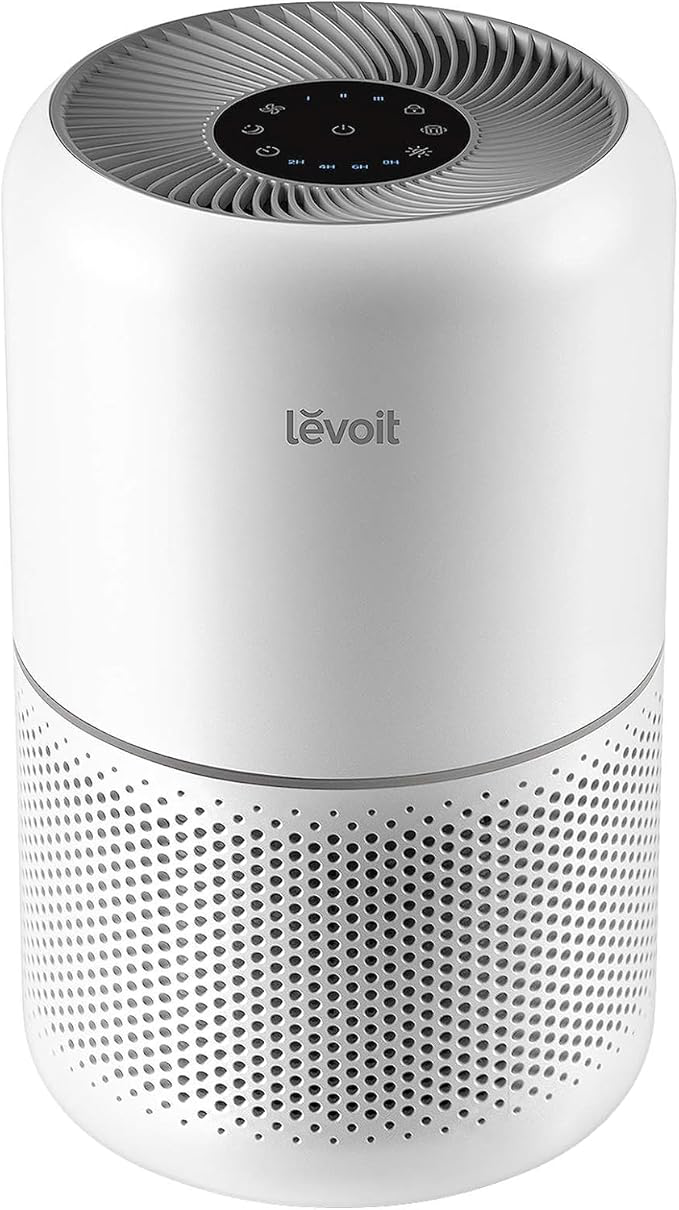
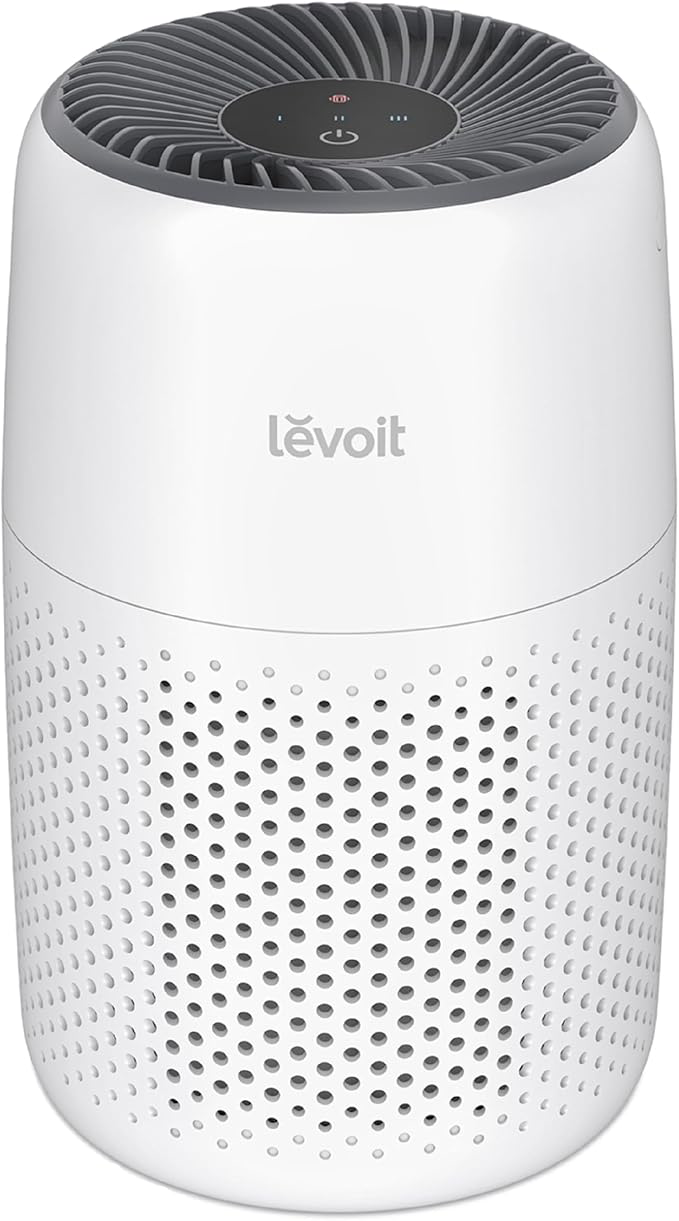
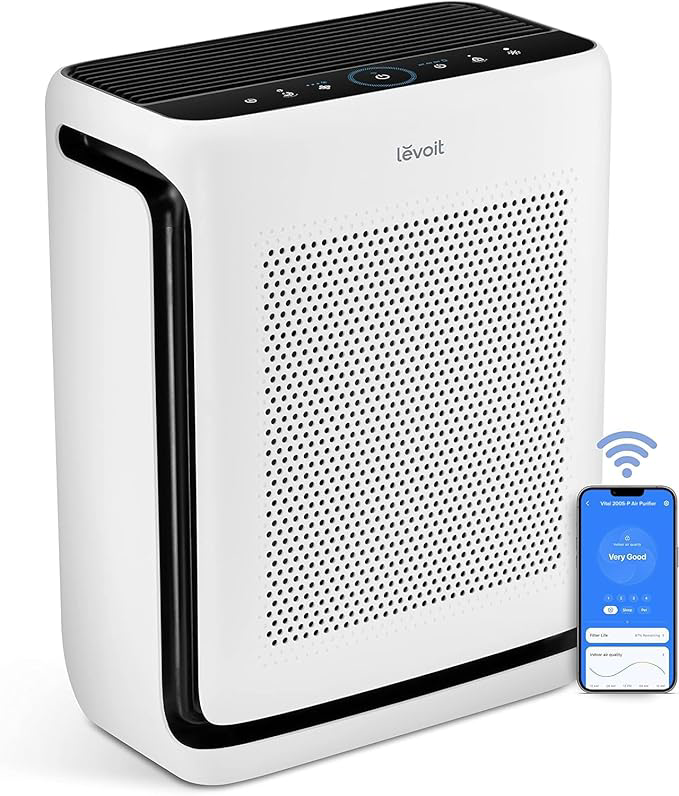
A better approach: check the daily pollen forecast for your area. If counts are elevated, keep windows closed and rely on air conditioning or a HEPA-filtered air purifier. Let in fresh air later in the evening or after a rain shower, when pollen counts typically drop.
Wearing Outdoor Shoes Inside the House
This habit is a major, often overlooked vector for allergens. Your shoes pick up pollen, dust, soil, and mold from every sidewalk, lawn, and patch of dirt you walk on. Then you track those particles all over your floors, rugs, and upholstery. Over a single day, it adds up to a significant allergen reservoir in the very places where you sit, lie down, and breathe deeply.
A simple rule: leave shoes at the door. Set up a dedicated spot near the entrance—a basket, a small tray, or a shoe rack—and make it a habit for everyone in the household. If you absolutely must wear indoor-only slippers or socks, so much the better.
These four habits may seem small, but they compound day after day. Seasonal allergy management isn't just about antihistamines and nasal sprays—it's also about reducing your total allergen exposure through the choices you make each morning and evening. The less pollen you bring into your personal environment, the less your immune system has to react to.
If you've been struggling to get relief despite medication, it might be worth reviewing these daily patterns. Sometimes the simplest tweaks make the biggest difference—and they don't require a prescription.