When seasonal allergies hit, it’s tempting to reach for the nearest tissue box and wait it out. But what you put in your body — specifically, what you drink — can either help calm the histamine storm or fuel it. We spoke with allergists about which beverages can genuinely ease symptoms like a scratchy throat, nasal congestion, and itchy eyes, and which ones you might want to skip until pollen counts drop.
How do beverages affect allergy symptoms?
The connection between what you drink and how you feel during allergy season isn’t just folk wisdom. Many drinks contain compounds that either support the immune system’s response to allergens or, conversely, trigger the release of more histamine. Staying well-hydrated, in general, helps thin mucus and keeps nasal passages moist — two simple things that can make a big difference when your sinuses are under siege.
Top drinks allergists recommend for seasonal allergies
Water — the baseline remedy
It sounds almost too simple, but plain water is the single most important drink for managing allergy symptoms. When you are dehydrated, your body produces more histamine, and your mucus becomes thicker and harder to clear. Eight to ten glasses a day is a good target, but if you are spending time outside on a high-pollen day, drink even more. Add lemon or cucumber if plain water feels uninspiring.
Quick tip: Sip water throughout the day rather than chugging. Steady hydration supports mucosal membranes better than occasional gulps.
Peppermint tea
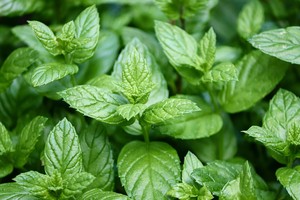
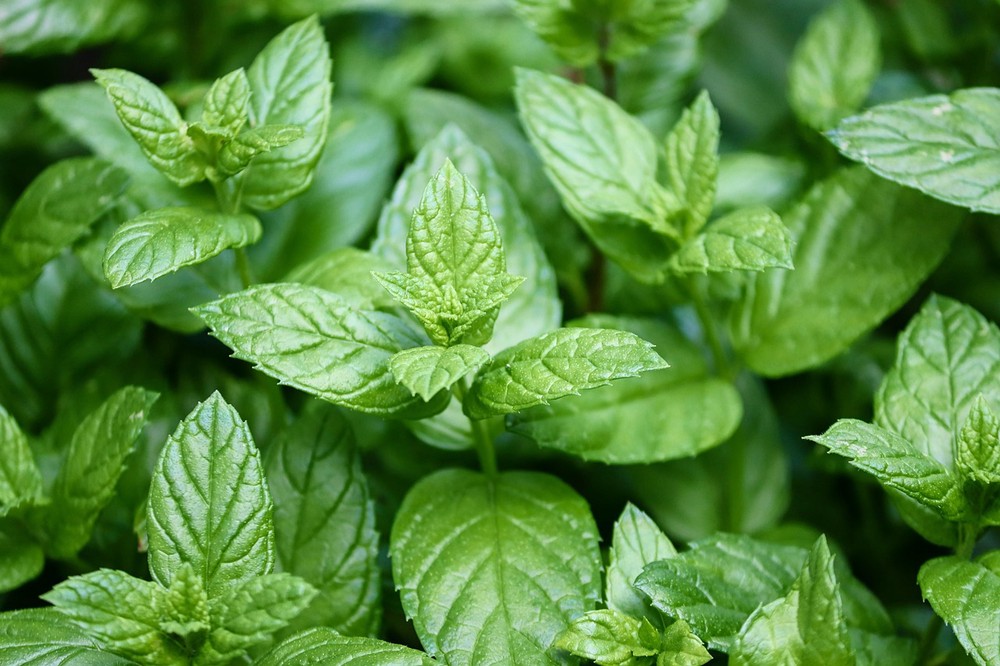
Peppermint tea is a natural decongestant. The menthol in peppermint leaves acts as a mild expectorant, helping to loosen phlegm and ease the feeling of pressure in the sinuses. It also has anti-inflammatory properties that can soothe an irritated throat. Stick to plain peppermint tea without added sweeteners or dairy, which can sometimes make congestion worse for some people.
Ginger tea
Fresh ginger contains gingerols, compounds with anti-inflammatory and antioxidant effects that may help calm the immune system’s overreaction to pollen. A warm cup of ginger tea can also relieve the sinus pressure that often accompanies seasonal allergies. For best results, steep fresh ginger slices in hot water for five to ten minutes. A drizzle of honey is fine, but skip the milk.
Green tea
Green tea is rich in quercetin, a flavonoid that acts as a natural antihistamine. Some research suggests quercetin can stabilize mast cells — the cells that release histamine — and reduce the severity of allergic reactions. Green tea also contains L-theanine, an amino acid that promotes relaxation, which can be helpful if allergy symptoms are keeping you on edge. Choose a high-quality loose leaf or bagged green tea and avoid bottled versions with added sugar.
Bone broth
Warm bone broth is more than just comfort food. It provides amino acids such as proline and glycine that support immune function and help soothe inflamed mucous membranes. Sipping on a mug of low-sodium bone broth can be especially soothing when your throat feels raw from postnasal drip. Look for grass-fed or organic options to minimize additives.
Drinks to avoid during allergy season
While choosing the right drinks can help, avoiding certain ones is just as important. Alcohol, especially red wine and beer, can increase histamine levels directly. Coffee and other caffeinated drinks can be dehydrating if consumed in excess, though one cup in the morning is generally fine for most people. Sugary sodas and fruit drinks with added sugar may contribute to inflammation, potentially worsening symptoms.
- Alcohol: Beer, wine (especially red), and spirits can all trigger histamine release.
- Sugary beverages: High sugar intake is linked to increased inflammation.
- Excess caffeine: more than two or three cups of coffee can dehydrate and worsen congestion.
Can herbal teas replace allergy medication?
No. While beverages like peppermint and ginger tea can provide symptom relief, they are not a substitute for prescribed allergy medications such as antihistamines or nasal corticosteroids. If your symptoms are moderate to severe, continue with your doctor’s recommended treatment plan and use these drinks as complementary strategies.
The bottom line
Simple, hydrating, anti-inflammatory beverages can offer noticeable relief during allergy season. Water is your first and best line of defense, followed by unsweetened herbal teas like peppermint, ginger, and green tea. Bone broth is another warm option that supports immune and mucosal health. Pair these smart drink choices with your usual allergy management routine, and you may find this pollen season a little easier to breathe through.