You already know the basics of sun protection: broad-spectrum SPF, a wide-brimmed hat, and seeking shade during peak hours. But what if something in your daily routine is quietly undermining those efforts? Skin health experts are pointing to a common beverage that may amplify the sun’s damaging effects on your skin.
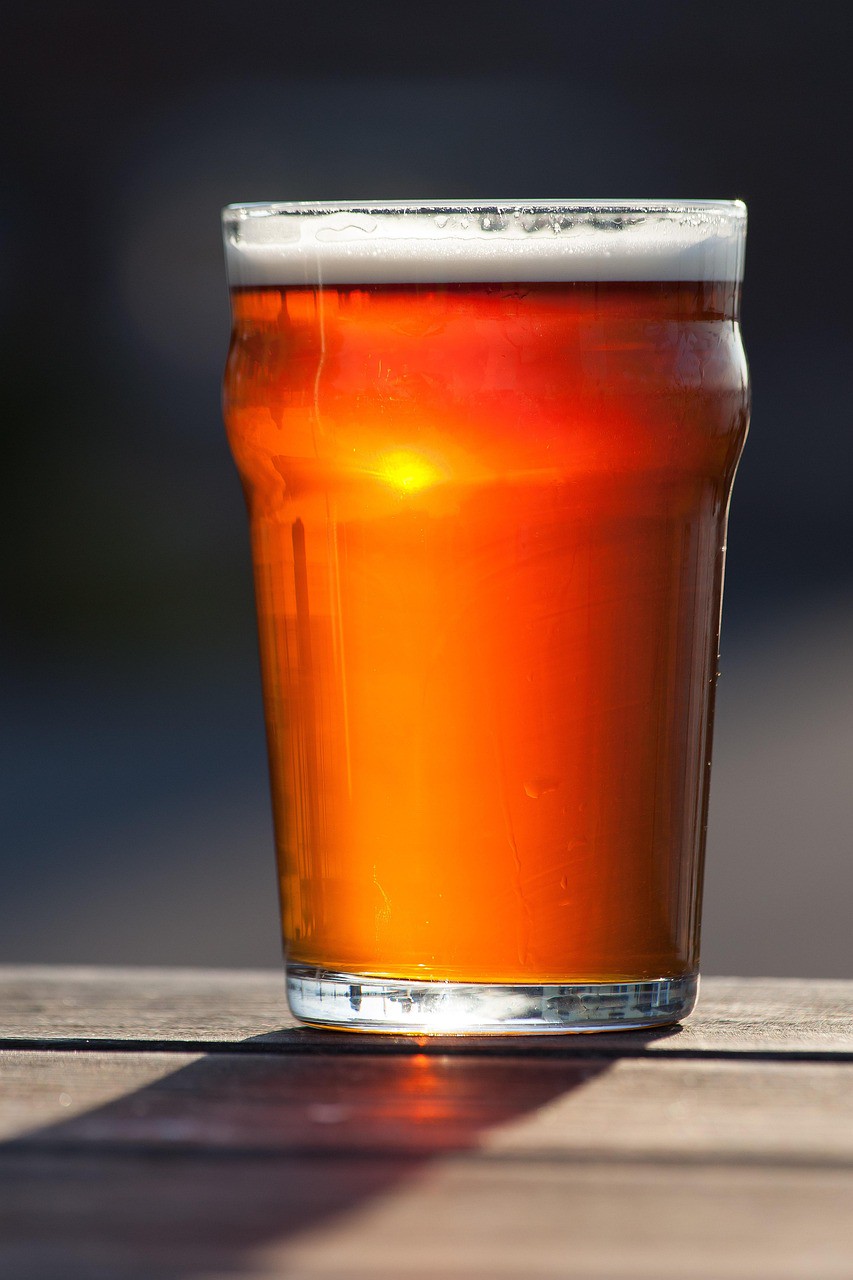
The drink in question is alcohol, particularly cocktails and mixed drinks. While a single glass of wine or beer likely won’t cause immediate harm, consistent or heavy alcohol consumption can leave your skin more vulnerable to UV radiation. Here’s what the science says and how you can adjust your habits for healthier skin.
How does alcohol affect your skin’s reaction to UV rays?
Alcohol doesn’t cause sunburn on its own, but it can set the stage for greater damage. Research suggests that alcohol consumption depletes the body’s stores of antioxidants, especially vitamin A and vitamin C. These antioxidants normally help neutralize free radicals generated by UV exposure. When your antioxidant defenses are lower, UV rays can cause more oxidative stress, leading to premature aging, fine lines, and a higher risk of skin damage.
Additionally, alcohol can impair your skin’s barrier function. A compromised barrier means your skin retains less moisture and is less effective at repairing itself after sun exposure. Over time, this can exacerbate the visible signs of UV damage, such as uneven pigmentation and loss of elasticity.
“Think of alcohol as a multiplier for UV damage. It doesn’t replace sunscreen, but it can make the effects of missed SPF worse,” explains Dr. Sarah Chen, a board-certified dermatologist in San Francisco.
Which alcoholic drinks are most concerning?
Not all drinks are equal when it comes to skin effects. The main issue is the alcohol content itself, but some beverages pose a greater risk due to additional compounds:
- High-sugar cocktails: Drinks with sugary mixers (like margaritas, daiquiris, or sweet rum punches) can spike blood sugar and promote inflammation, which may worsen UV-related skin aging.
- Red wine: While it contains resveratrol (an antioxidant often linked to skin benefits), red wine also has histamines and tannins that can dilate blood vessels and cause facial flushing. This can make existing redness or rosacea worse, especially after sun exposure.
- Beer and spirits: These are less likely to contain added sugar, but their alcohol content still depletes skin-protective nutrients. Drinking on an empty stomach accelerates absorption and increases oxidative stress.
If you choose to drink, clear spirits with a low-sugar mixer (like soda water with lime) are less inflammatory for your skin than sugary or creamy cocktails.
Does alcohol make sunburn worse?
Yes, and in multiple ways. A 2020 study in the British Journal of Dermatology found that people who drank alcohol regularly had more severe sunburns after the same UV exposure compared to non-drinkers. Researchers believe this is because alcohol suppresses the immune system’s ability to recognize and repair damaged skin cells.
When your skin is sunburned, your body normally sends inflammatory signals to heal the damage. Alcohol can disrupt that process, allowing damaged cells to linger longer. Over time, this raises the risk of photoaging and, in serious cases, skin cancer.
Alcohol also makes you more prone to risky sun behavior. After a few drinks, you’re less likely to reapply sunscreen, stay in the shade, or notice your skin getting pink. This behavioral factor plays a big role in overall UV damage.
The role of dehydration
Alcohol is a diuretic, meaning it causes your body to lose water. Dehydrated skin is less resilient and more prone to wrinkling and irritation. If you’re drinking during a day at the beach or pool, you’re already dealing with heat and sun stress. Adding alcohol to the mix can accelerate moisture loss, making your skin look dull and feel tight.
Rehydration is critical, but it won’t reverse UV damage that has already occurred. Drinking water between alcoholic beverages helps, but it cannot neutralize the free radicals produced by UV rays.
What you can do to protect your skin
Moderation is the key message from dermatologists. The American Academy of Dermatology recommends limiting alcohol to one drink per day for women and two for men, but when it comes to sun exposure, even less is better. Here are practical steps to keep your skin safe:
- Apply sunscreen before you start drinking. Give it at least 15 minutes to absorb into your skin. Reapply every two hours, and more often if you’re swimming or sweating.
- Pair alcohol with food. Eating a meal rich in antioxidants (like berries, leafy greens, or nuts) can help offset some of alcohol’s oxidative effects.
- Skip the sugary mixers. Use soda water, fresh lemon, or a splash of unsweetened cranberry juice instead.
- Stay hydrated. For every alcoholic drink, have at least one glass of water. This helps maintain your skin’s barrier function.
- Wear protective clothing. A UPF-rated shirt or a wide hat adds a physical barrier that drinking can’t diminish.
Are there any drinks that benefit your skin under the sun?
While no drink can replace sunscreen, some beverages offer protective compounds. Green tea, for example, contains catechins—antioxidants that may reduce redness and DNA damage from UV rays when consumed regularly over time. Watermelon, cucumber-infused water, and coconut water can support hydration without the negative effects of alcohol.
If you’re looking for an alternative to alcohol at a summer gathering, try a sparkling water with a splash of tart cherry juice or a chilled herbal tea. These options are hydrating and can support your skin’s resilience.
Remember: This information is for general wellness education and doesn’t replace professional medical advice. Always consult your dermatologist for personalized skin care recommendations.