
When it comes to keeping skin firm and youthful, collagen is the scaffolding that holds everything together. Think of it like the structure beneath a mattress — over time, it naturally breaks down, leading to the creases and sagging we call wrinkles. While you can't stop the clock, you can slow it down with what's on your plate.
Dietitians emphasize that the skin is our largest organ, and it responds directly to nutrients. By eating to support collagen production and protect existing collagen from damage, you can help maintain elasticity and smoothness. Here are five science-backed foods that belong in your anti-aging grocery cart.
Why Skin Needs More Than Topical Creams
Topical retinoids and moisturizers have their place, but they can only do so much. Collagen is a protein built from amino acids that your body assembles, and it requires specific co-factors to do the job well. Without the right dietary building blocks, skin loses structure from the inside out. That's where these five foods come in.
1. Citrus Fruits
Oranges, grapefruits, lemons, and limes are famously rich in vitamin C — but the connection to wrinkles is more than skin deep. Vitamin C is an essential cofactor for enzymes that stabilize and cross-link collagen fibers. Without enough of it, collagen production slows down and existing collagen becomes fragile.
Dietitians point out that the body cannot store vitamin C, so a daily intake from food is necessary. A single medium orange provides about 70 mg — close to the daily recommendation for women — and delivers flavonoids that may help reduce oxidative stress in skin cells. Sprinkle lemon juice over vegetables or add grapefruit segments to a salad for a refreshing way to protect your skin's foundation.
Tip: Pair vitamin C foods with iron-rich greens like spinach to boost iron absorption for healthy skin cell turnover.
2. Fatty Fish
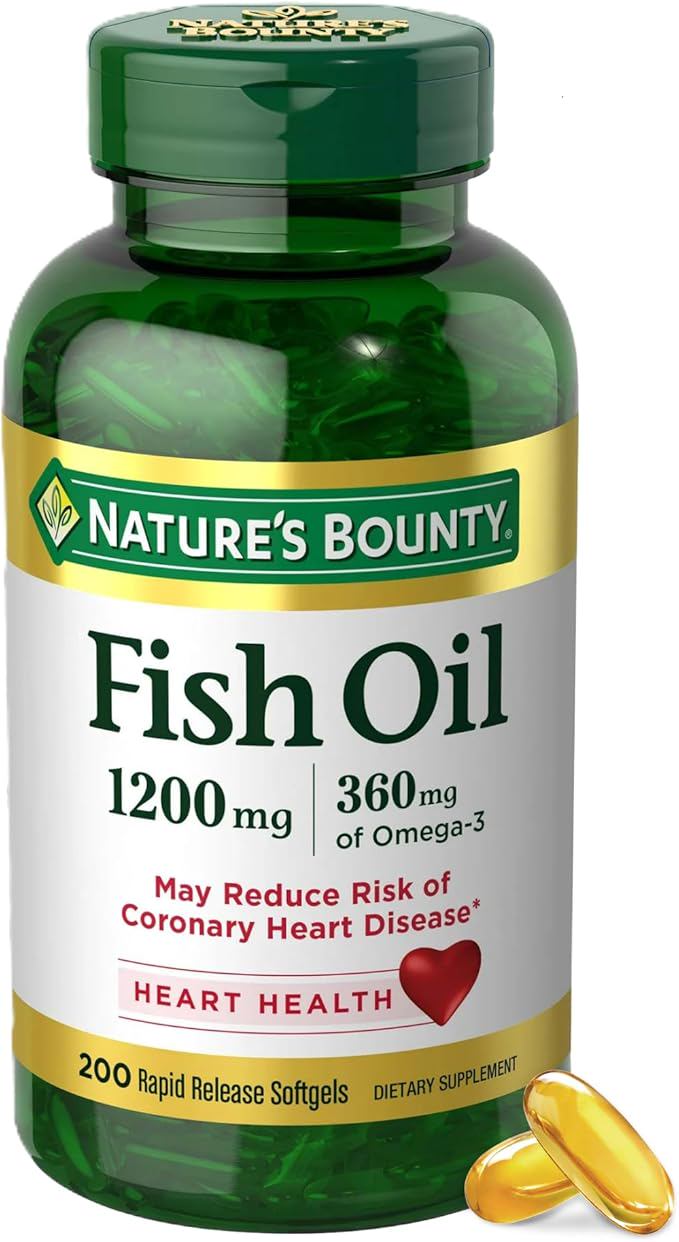
Salmon, mackerel, sardines, and anchovies deliver long-chain omega-3 fatty acids (EPA and DHA), which are integral to the cell membranes that keep skin plump and hydrated. Chronic inflammation is a major driver of collagen breakdown, and omega-3s are among the most effective dietary compounds for tempering that inflammatory response.
Beyond reducing inflammation, fatty fish also provide high-quality protein — including the proline and glycine that your body uses to assemble new collagen. Dietitians recommend eating two 3-ounce servings per week, which aligns with general heart-health guidelines and helps maintain the lipid barrier that keeps moisture locked in.
3. Leafy Greens
Spinach, kale, Swiss chard, and collard greens are loaded with antioxidants that protect collagen from ultraviolet (UV) damage and environmental pollutants. Specifically, they contain lutein and zeaxanthin — carotenoids that accumulate in skin tissue and act as internal sun shields. These compounds absorb blue light and reduce the oxidative stress that triggers collagenase, the enzyme that chews up collagen.
Additionally, leafy greens provide small amounts of vitamin C and large amounts of vitamin K, which supports blood circulation to the skin and helps maintain firmness. To maximize absorption, eat them with a source of healthy fat, like a drizzle of olive oil or alongside the fatty fish mentioned above.
4. Bone Broth (or Collagen-Rich Cuts of Meat)
Bone broth has gained popularity as a direct source of collagen peptides. When simmered for hours, bones and connective tissue release gelatin — a cooked form of collagen that your body can absorb and repurpose. Dietitians note that while dietary collagen is broken down into amino acids during digestion, those same amino acids (especially glycine, proline, and hydroxyproline) signal the body to produce more of its own collagen.
For those who prefer a non-broth option, chicken thighs with skin, beef chuck, and pork shoulder also provide these structural amino acids. A small bowl of bone broth or a serving of slow-cooked meat a few times per week can contribute to the body's collagen-building pool. Look for broth made from pasture-raised animals for a cleaner nutrient profile.
5. Berries
Blueberries, strawberries, raspberries, and blackberries are among the most potent sources of anthocyanins — water-soluble pigments that give them their vibrant colors. These compounds protect collagen by neutralizing free radicals before they can break down the skin's extracellular matrix. In laboratory studies, berry extracts have been shown to inhibit the activity of enzymes that degrade collagen.
Beyond their antioxidant power, berries also contain modest amounts of vitamin C. A cup of strawberries provides about 85 mg, and half a cup of blueberries offers roughly 7 mg alongside manganese, a trace mineral that plays a role in collagen synthesis. Unlike many fruits, berries are relatively low in sugar, making them suitable for daily consumption without spike concerns — a bonus for skin health, since advanced glycation end-products (AGEs) from high blood sugar can stiffen and yellow collagen.
How to Combine These Foods for Maximum Benefit
You don't need to prepare elaborate recipes to get the benefits. A simple breakfast could be a bowl of plain Greek yogurt (another protein-rich collagen booster) topped with berries and a squeeze of lemon. Lunch might be a spinach salad with grilled salmon and a citrus vinaigrette. Dinner could feature a hearty beef stew made with bone broth and kale.
The key is consistency: eating these foods regularly, over months and years, to maintain the collagen you have and support its natural renewal. Supplements exist, but dietitians generally advise getting nutrients from whole foods first, as they provide synergistic compounds — like fiber, polyphenols, and minerals — that pills cannot replicate.
The Bottom Line on Wrinkle-Fighting Foods
There is no single food that erases wrinkles, but a dietary pattern built around these five categories gives your skin the raw materials it needs to stay resilient. Citrus fruits provide vitamin C, fatty fish deliver anti-inflammatory omega-3s, leafy greens offer sun-shielding carotenoids, bone broth supplies collagen amino acids, and berries flood the body with protective antioxidants.
Start small: add a handful of spinach to your plate, swap a snack for an orange, or include salmon in your weekly meal prep. Over time, your skin will reflect the difference — not overnight, but in the quiet, cumulative way that real health always does.