
You might have noticed that the first fine lines seem to arrive on a different schedule for everyone. While your friend might be sporting smooth skin into her late thirties, you could be spotting faint creases around your eyes in your late twenties. This isn’t just bad luck or a cosmic joke. The timing of those first wrinkles is heavily influenced by your specific skin type—something you’re born with, not something you caused.
Dermatologists and skin researchers have identified a handful of biological variables that determine how quickly the skin’s support structure begins to show signs of wear. Below are three evidence-based explanations for why some skin types are simply predisposed to developing fine lines earlier in life.
1. Natural melanin content and its photoprotective role
One of the most significant factors in wrinkle timing is how much melanin your skin naturally produces. Melanin acts as a built-in, partial shield against ultraviolet radiation. Higher concentrations of melanin—common in Fitzpatrick skin types IV, V, and VI—provide more inherent protection from the sun’s aging rays.
Research consistently shows that individuals with lighter skin tones (Fitzpatrick types I and II) tend to show visible signs of photoaging, including fine lines and loss of elasticity, earlier in life. This is not a judgment; it is a mechanical difference in how much UV damage the skin can absorb before cellular breakdown occurs. Cumulative sun exposure degrades collagen and elastin fibers over time, and those with less melanin in their epidermis have a thinner natural buffer.
Key point: Lower melanin levels do not automatically mean premature aging—but they do mean you need to be more proactive about daily sun protection, even on overcast days or through window glass.
2. Thinner dermis and natural skin thickness
Skin thickness varies significantly across individuals, and this is another inherited trait that influences when fine lines emerge. The dermis—the middle layer of skin that houses collagen, elastin, and hyaluronic acid—is naturally thinner in some people.
If you have naturally thin skin, you may notice that fine lines appear earlier because there is simply less supportive tissue beneath the surface. This is especially noticeable around the eyes and on the cheeks. People with thicker, more robust dermal layers often experience a delayed onset of fine lines simply because the structural integrity lasts longer before gravity and facial expressions take their toll.
Researchers have noted that ethnic differences in dermal thickness exist. For example, studies comparing Asian and Caucasian skin have found that the dermis can be up to 20 percent thicker in some Asian populations, potentially contributing to a later onset of fine lines. Again, this is not a fixed rule but a trend worth understanding.
3. Sebum production and the moisture barrier
Your skin’s oil production plays a surprisingly large role in how quickly fine lines appear. Sebum is the skin’s natural moisturizer. It helps maintain the integrity of the stratum corneum (the outermost barrier) and keeps the skin pliable.
People with naturally oilier skin types (often, but not always, tied to larger pores and a tendency toward breakouts) tend to have a more resilient moisture barrier. This means the skin stays supple and hydrated for longer periods without external help. Conversely, those with drier or combination skin often have a compromised moisture barrier, which accelerates the appearance of fine lines—particularly on the cheeks, around the mouth, and at the corners of the eyes.
The connection here is mechanical. When the skin is dehydrated, the cells shrink slightly, creating micro-folds that eventually become etched into the skin’s surface. Consistent moisture retention delays this process. For individuals with lower sebum production, fine lines are often visible earlier because the skin lacks that natural lubricant.
What you can do about it, regardless of skin type
While you cannot change your genetic skin type, you can absolutely influence the timeline. The most impactful strategy is consistent sun protection—broad-spectrum SPF 30 or higher, applied daily. This single habit reduces photoaging more than any serum or cream.
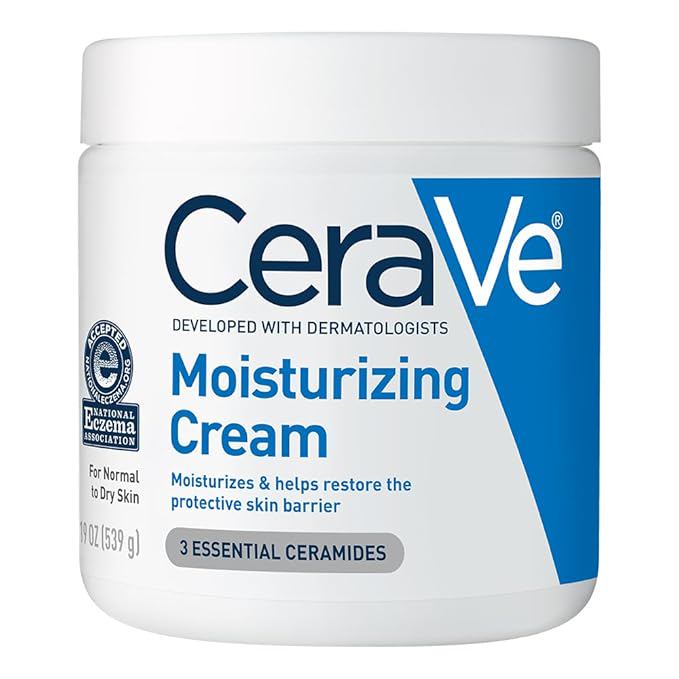
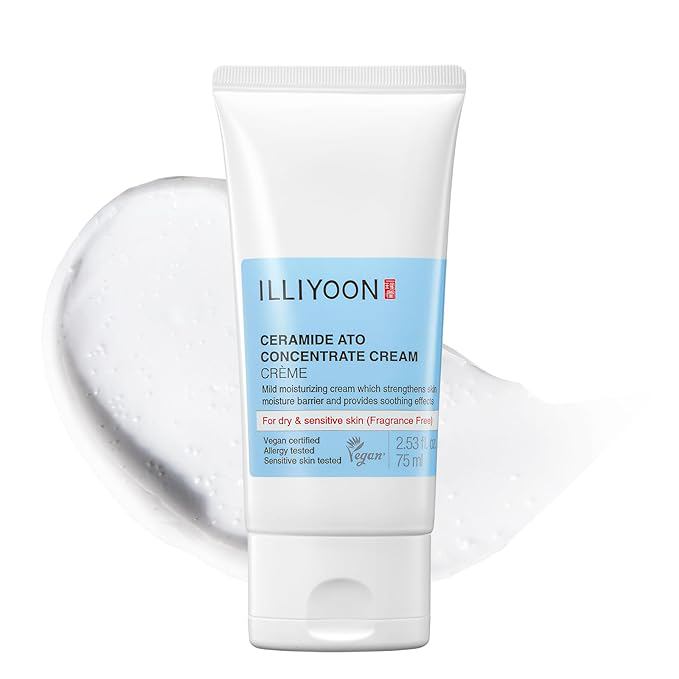
For those with naturally drier skin, a targeted moisturizing routine with humectants (like glycerin or hyaluronic acid) and occlusives (like squalane or ceramides) can help maintain the barrier function. For those with thinner skin or lighter complexions, barrier-supporting ingredients and retinoids (under professional guidance) may help bolster collagen production over time.
A calm, realistic approach matters here. Fine lines are a normal part of skin biology. Understanding your skin type helps you work with your physiology rather than against it—and that is the most sustainable path to long-term skin health.